
Safe Water for Schools: Advancing Sustainable Education through the Eco-Schools programme
"Every child deserves a school where learning is supported by a healthy, safe, and sustainable environment. Sometimes, that journey begins with something as fundamental as access to safe drinking water."
Access to safe drinking water is one of the most basic human needs, yet millions of children around the world still attend schools where clean drinking water is either unavailable or unreliable. According to the WHO/UNICEF Joint Monitoring Programme (JMP), hundreds of millions of schoolchildren globally lack access to basic drinking water services at school, placing their health, well-being, attendance, and learning outcomes at risk (WHO & UNICEF, 2021). Safe drinking water is not only essential for preventing waterborne diseases but also plays a critical role in creating healthy learning environments that enable children to reach their full potential (WHO, 2022).
Recognising this challenge, the Eco-Schools Programme in Bangladesh transformed a local environmental issue into an opportunity for sustainable school development. Through the Safe Water for Greener Schools Initiative, three schools serving disadvantaged communities in the Rayerbazar area of Dhaka have become inspiring examples of how environmental education, community participation, and evidence-based decision-making can create lasting change.
Sustainable education begins with a healthy learning environment
Sustainable education extends far beyond academic achievement. It equips learners with the knowledge, skills, values, and behaviours needed to improve their own lives while protecting the environment, promoting social equity, and supporting sustainable economic development. Equally important, it ensures that schools themselves become resilient, inclusive, healthy, and environmentally responsible institutions capable of delivering quality education for generations to come (UNESCO, 2023).
These principles are reflected in the Greening Education Partnership, a global initiative led by UNESCO that encourages countries to transform education systems through greener schools, greener learning, greener communities, and greener capacities.
The Eco-Schools programme aligns closely with this vision. Using its internationally recognised Seven Steps methodology, schools undertake continuous learning and improvement across thirteen thematic areas, including water, biodiversity, waste, climate change, energy, healthy living, and sustainable consumption. Rather than implementing isolated environmental projects, Eco-Schools empowers students to become active participants in identifying challenges, developing solutions, and leading environmental action within their schools and communities.
Identifying a critical challenge
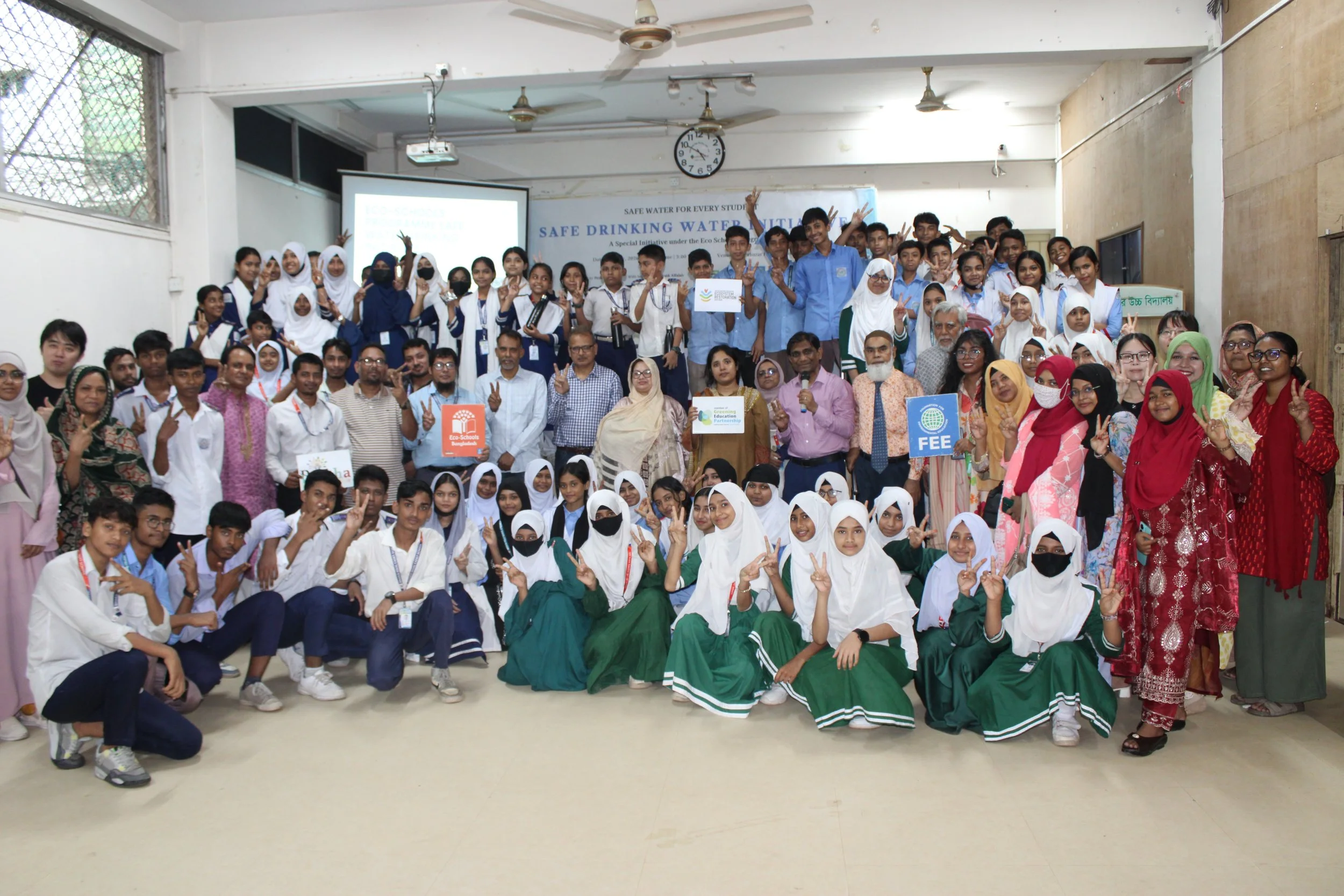
As the National Operator of the Eco-Schools Programme in Bangladesh, Probha Aurora works with a diverse range of educational institutions, including government and non-government schools, Bangla and English medium schools, orphanages, schools serving Indigenous communities, and schools located in urban informal settlements.
During the Eco-Schools project-based learning processes, a significant challenge emerged in several schools located in the Rayerbazar area of Dhaka. Despite serving more than 1,000 students from low-income communities, these schools had no reliable access to safe drinking water.
Many students spent the entire school day without drinking water because they did not trust the available water sources. Others attempted to bring water from home, but this was often impractical due to long travel distances, financial hardship, or limited access to safe water within their own households.
The challenge extended beyond infrastructure. Unsafe drinking water increases the risk of waterborne diseases, reduces students' concentration and well-being, and undermines the creation of healthy learning environments (WHO, 2022). Addressing this issue therefore became an important step towards achieving greener, healthier, and more inclusive schools.
From evidence to action
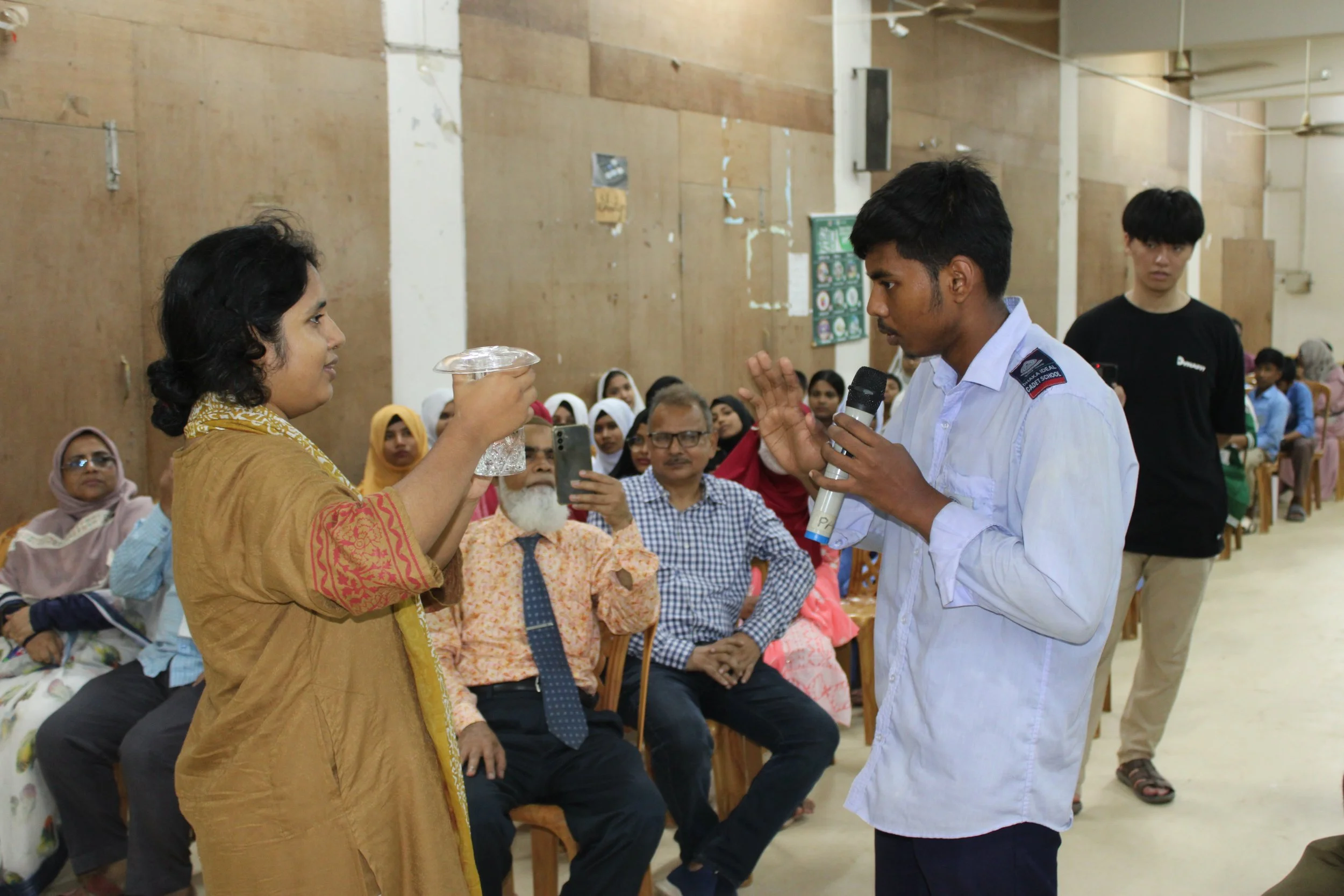
Rather than applying a standard solution, Probha Aurora adopted a scientific and evidence-based educational approach.
Comprehensive baseline surveys were conducted to understand the existing conditions of each school. The assessments included infrastructure inspections, stakeholder consultations, school-level surveys, observations of drinking water practices, and laboratory analysis of water quality.
The project evaluated key water quality parameters including pH, Total Dissolved Solids (TDS), turbidity, iron concentration, residual chlorine, and total hardness in accordance with the Bangladesh Environmental Conservation Rules (ECR), 2023. These assessments enabled the project team to understand the specific needs of each school before selecting an appropriate treatment technology.
Recognising that no single solution is suitable for every context, different technologies were selected according to local conditions.
Reverse Osmosis (RO) systems with Ultraviolet (UV) disinfection were installed where advanced treatment was required, while a Multi-stage Biosand Filtration System was introduced where a gravity-driven, low-maintenance, and environmentally sustainable solution was more appropriate.
This context-specific approach ensured that each school received the most technically appropriate, operationally feasible, and financially sustainable solution.
Building ownership through the Eco-Schools process
A defining strength of the Eco-Schools programme is that sustainability is achieved not simply by installing infrastructure but by empowering people.
To ensure long-term operation and maintenance, Eco-Committees were established in each participating school. These committees include representatives from school management, head teachers, teachers, students, parents, and local stakeholders.
Their responsibilities extend beyond monitoring the filtration systems. They promote responsible water use, oversee routine maintenance, coordinate awareness activities, and ensure that safe drinking water remains an integral part of each school's environmental management system.
This participatory governance model transforms students from beneficiaries into environmental leaders and strengthens institutional ownership of the intervention.
Learning beyond the classroom
The initiative demonstrates that environmental infrastructure becomes far more effective when combined with environmental education.
Over several months, separate awareness sessions were organised for students and teachers focusing on:
Safe drinking water
Hygiene and sanitation
Responsible water use
Environmental health
Plastic pollution
Sustainable lifestyles
These sessions encouraged students to understand the relationship between water, health, and environmental sustainability while inspiring practical behavioural changes that extend beyond the classroom into families and local communities.
In doing so, the initiative contributes directly to Sustainable Development Goal 6 (Clean Water and Sanitation), SDG 3 (Good Health and Well-being), SDG 4 (Quality Education), and SDG 13 (Climate Action).
Reducing plastic pollution
Reusable containers for water
The project also recognised that improving access to drinking water should contribute to reducing environmental impacts.
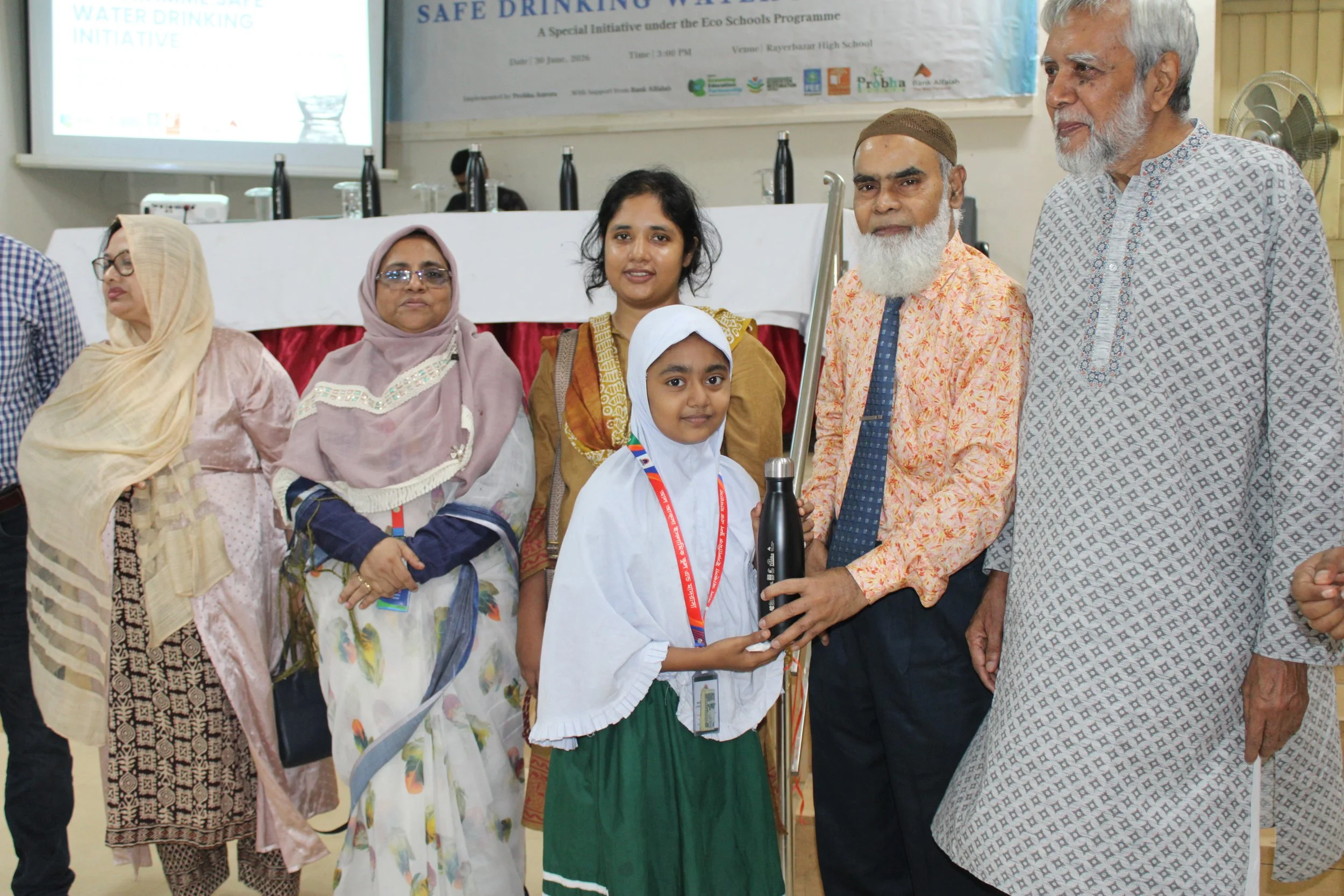
Each participating student received a reusable stainless steel water bottle to discourage the use of single-use plastic bottles and promote sustainable consumption practices.
This simple intervention creates multiple long-term benefits. Students now have a safe, reusable container for drinking water while simultaneously reducing plastic waste and helping to prevent microplastic pollution.
The initiative reinforces the message that sustainability is achieved not only through technology but also through everyday choices.
Celebrating success and sharing knowledge
On 30 June 2026, students, teachers, technical experts, environmental specialists, public health professionals, Water, Sanitation, and Hygiene (WASH) practitioners, and representatives from the Institute of Epidemiology, Disease Control and Research (IEDCR) gathered at Rayerbazar High School for a National Dissemination and Knowledge-sharing Event.
The event celebrated the successful implementation of the initiative while providing a platform to exchange experiences, discuss lessons learned, and explore opportunities for scaling similar interventions across Bangladesh.
Students from participating schools proudly shared their experiences, demonstrating how access to safe drinking water had improved daily school life while increasing awareness of environmental responsibility.
The event also highlighted the importance of collaboration among schools, technical institutions, government agencies, development partners, and the private sector in achieving sustainable school development.
Building a future with a safe water
Today, more than 1,000 students across three schools have reliable access to safe drinking water.
Yet the initiative's greatest achievement extends beyond the installation of filtration systems. It has strengthened school governance, empowered students through environmental education, promoted sustainable behaviours, reduced plastic pollution, and demonstrated how the Eco-Schools methodology can address local environmental challenges while contributing to global sustainability goals.
For the participating schools, the initiative represents another important milestone on their journey towards achieving the internationally recognised Eco-Schools Green Flag, reflecting meaningful progress in implementation of Education for Sustainable Development (ESD).
With the leadership of Probha Aurora, the National Operator of the Eco-Schools Programme in Bangladesh, and the generous support of a reputed bank, the Safe Water for Greener Schools Initiative demonstrates that strong partnerships can transform schools into healthier, greener, and more resilient places to learn.
Because every child deserves not only an education, but an environment in which they can truly flourish.
References
Government of Bangladesh. (2023). Bangladesh Environmental Conservation Rules (ECR), 2023.
UNESCO. (2023). Greening Education Partnership: Getting Every Learner Climate-Ready.
United Nations. (2015). Transforming Our World: The 2030 Agenda for Sustainable Development.
World Health Organization. (2022). Guidelines for Drinking-water Quality (4th Edition, incorporating the first and second addenda).
WHO & UNICEF. (2021). Progress on Drinking Water, Sanitation and Hygiene in Schools: Special Focus on COVID-19.
Written by
Mucksitu Kabir Fihi
Fellow from Phobha Aurora
Brazilian Eco-School in Uberlândia collects more than 3.7 tons of food in campaign linked to Global Action Days
An action integrated between Giving Week and Global Action Days mobilized more than 600 people and benefited institutions that support children, elderly people, and individuals in situations of social vulnerability
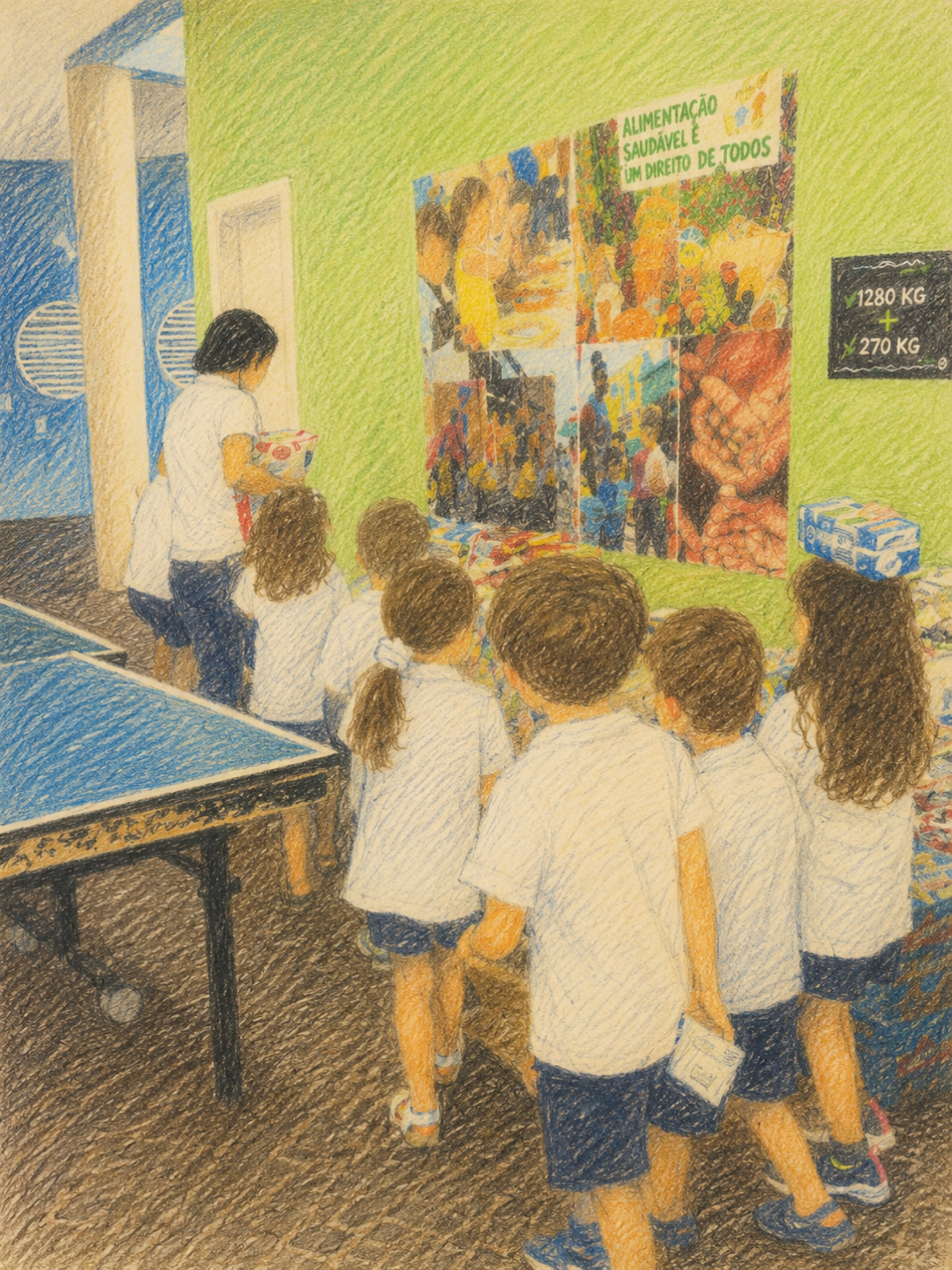
Image from Escola da Criança - Espaço de Adolescer
An initiative born from students’ Eco-Committee reflections on food security and solidarity resulted in a mobilization that exceeded all expectations. Escola da Criança – Espaço Adolescer, in Uberlândia (MG), collected more than 3,700 kilograms of food during a campaign carried out in partnership with Giving Week and Global Action Days (GAD), promoted internationally by the Foundation for Environmental Education (FEE).
From reflection to action
The initiative emerged after students read the Global Action Days activity guide, part of the Eco-Schools Programme in which the school participates. While discussing topics related to food, food origins, and social inequality, students began questioning the reality of people who do not have daily access to adequate meals. From these reflections, the idea of launching a large-scale food donation was born.
According to teacher Giovanna Pavanelli, who led the initiative at the school, the project was built and led by the students.
“The students were already deeply engaged in discussions about food and food security. From there, they began reflecting on the fact that many people do not have access to a balanced diet as they do. The campaign emerged from these questions and from a genuine desire to think about others. Global Action Days is precisely a moment to reflect on our actions and how they impact those around us,” she explains.
A whole-school effort that exceeded expectations
From the beginning, the proposal was designed as a collective, collaborative mobilization rather than a competition between classes. The school set progressive donation targets and created a panel depicting situations of social vulnerability. As goals were achieved, the images were replaced, symbolizing the transformation that each donation helped to build.
The campaign’s final target was to collect 1,280 kilograms of food. However, the school community’s mobilization exceeded all expectations, reaching more than 3,700 kilograms, almost three times the original goal.
“Whole-school cooperation was the most remarkable aspect. We understood that it should not be a competition, but a collective effort toward a single goal. The involvement of families, teachers, grandparents, uncles, aunts, and the entire school community was impressive. Many people expanded the campaign beyond the school walls, mobilizing friends and other community groups,” Giovanna highlights.
Family engagement was one of the campaign’s key strengths. For Li Vieira Ataia, a member of the Parents’ Volunteer Group, the initiative demonstrated the power of collective mobilization.
“Giving Week showed me that small movements can generate big impacts. It was a joy to follow closely and see the entire school community committed to a single purpose: doing good. The school played a fundamental role as an educator and motivator, teaching children to care about the needs of others. In the end, everyone benefits, showing that donating is an act of love that benefits both those who give and those who receive.”
In total, it is estimated that more than 600 people directly participated in the action. Teacher Odete, volunteer coordinator and leader of the school’s Eco-Schools Eco-Committee, emphasizes that the campaign strengthened key values that are part of students’ education, including themes such as Global Citizenship, Food, and Equality and Equity within the Eco-Schools Programme.
“More than collecting food, this mobilization allowed our students to experience solidarity in practice. When we encourage children and young people to look at the needs of others, we are forming more conscious, empathetic citizens committed to building a better society. It was moving to see the involvement of families and how everyone embraced the cause.”
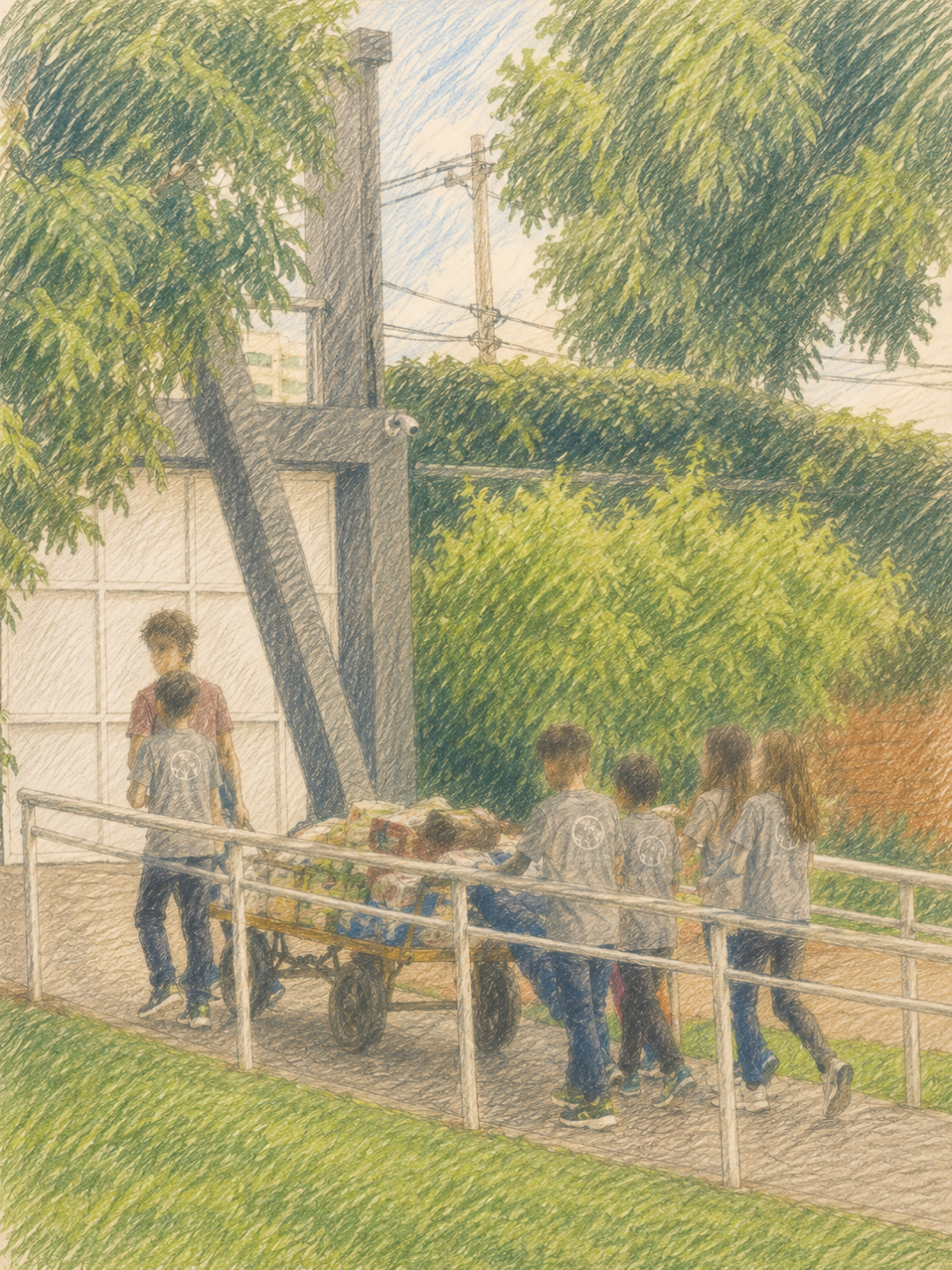
Image from Escola da Criança - Espaço de Adolescer
Students experience solidarity in practice
Among students, the campaign also brought important lessons about empathy, social responsibility, and citizenship. Seventh-grade student Lara Engel Machado, a member of the Volunteer Group, highlighted that the experience helped her better understand a reality far from her daily life.
“This year, during Giving Week, we created a proposal combining Volunteering with the FEE and IAR initiative, focusing on food security. It is a reality very distant from mine, but it exists, and we had the opportunity to try to make a difference. We worked hard, carried boxes, promoted the campaign at school, and developed activities to engage younger children. In total, we collected more than three tons of food. It may seem small compared to the scale of world hunger, but it was what our school could contribute. In the end, it was rewarding to see how everyone was involved.”
Fernanda de Freitas Lucas, also a seventh-grade student at Escola da Criança – Espaço de Adolescer and participant in the initiative, recalled the emotion of watching donations grow day by day.
“It was a project I really enjoyed and worked hard to make happen. All that dedication was worth it. At first, we thought we might not reach the goal, but every day when I arrived at school, the pile of donations was bigger. The most important thing was being able to help the institutions and show children the value and importance of helping others.”
Donations reach people across Uberlândia
The collected food was delivered to partner institutions that support different groups in situations of social vulnerability in Uberlândia (MG). These include Circo da Vida, which works with vulnerable adolescents; Casa Santa Gemma, which assists homeless people and families in settlements; and Lar André Luiz, which provides care for institutionalized elderly people.
The testimonies from beneficiary institutions highlight the concrete impact of the campaign. At Circo da Vida, donations arrived at a moment when food for afternoon snacks for young people was running out. At Casa Santa Gemma, the food supplied essential items such as rice and oil for dinner preparation on the day of delivery. Lar André Luiz received coconut water, a rarely offered item due to its high cost.
At Casa Santa Gemma, the donations arrived at a particularly challenging moment for the institution:
“We received food donations from the campaign carried out by students, parents, teachers, and staff of Escola da Criança. This act of solidarity was very important for our institution, as we are currently facing major challenges, with our house overcrowded, hosting more than 50 people. In addition to homeless individuals, we support hundreds of socially vulnerable families in settlements in the Eastern Region of Uberlândia, Minas Gerais. We depend on campaigns like this to maintain our services and ensure food reaches those who need it most. We hope to continue this partnership in the fight against hunger. Thank you very much,” they said.
Beyond the numbers
Beyond the numbers, the campaign left emotional marks across the entire school community. One of the most symbolic moments was the joy of younger children when they saw images representing hunger and vulnerability on the panel being replaced as goals were achieved. Among volunteers, there was also surprise at the volume of donations, which far exceeded initial expectations.
For Aline Tiagor, national coordinator of the Eco-Schools Programme, the initiative demonstrates the transformative power of education when it connects knowledge, reflection, and action.
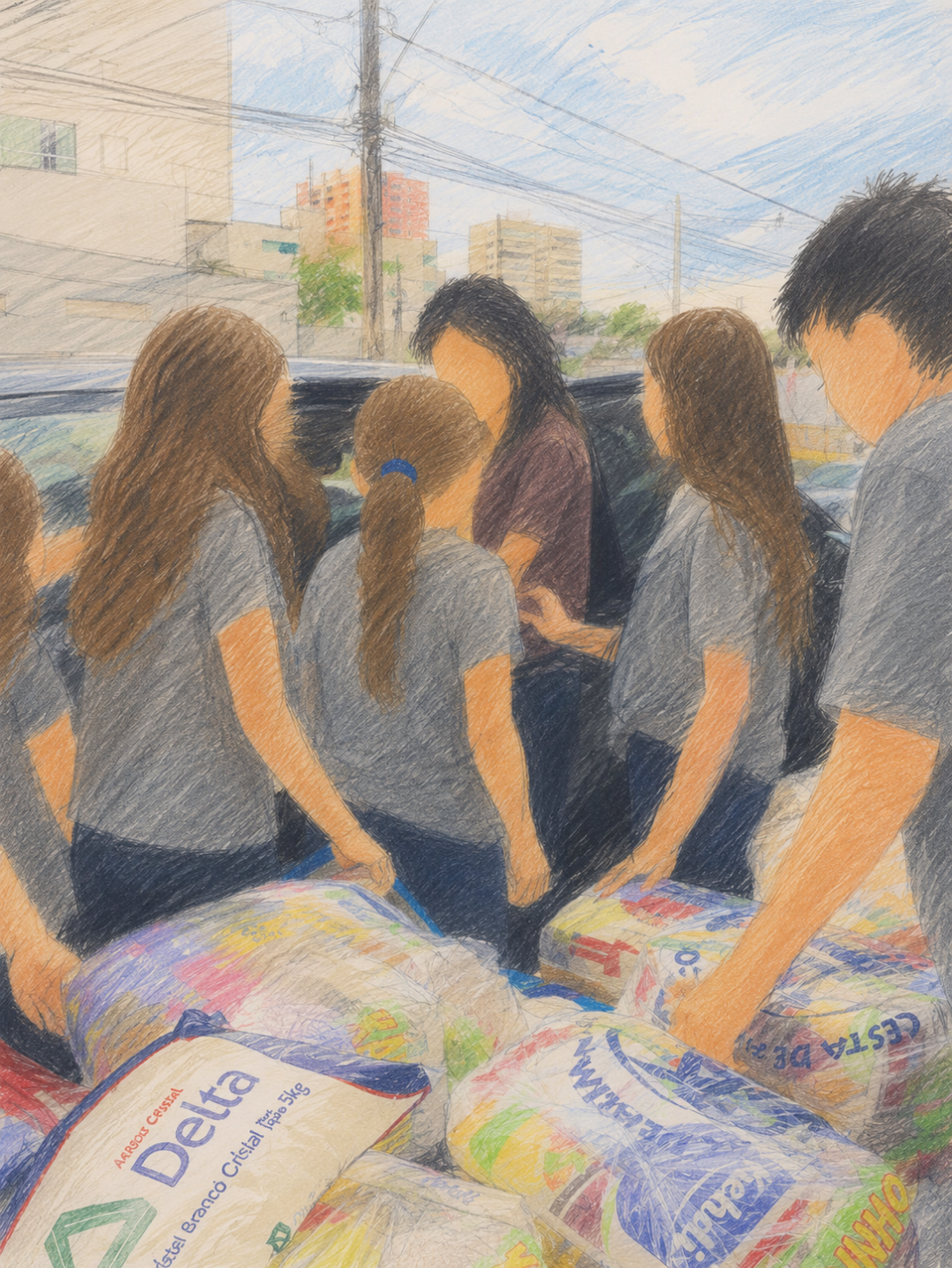
Image from Escola da Criança - Espaço de Adolescer
“Projects like this show that education for sustainability goes far beyond the classroom and that our young people are eager to take action and become the change we want to see in the world. By reflecting on the needs of their surrounding community, beyond their own realities, they mobilized hundreds of people to face this challenge. The students developed fundamental values such as solidarity, cooperation, and social responsibility and exceeded the set goals. The result is inspiring and highlights the strength of student protagonism in building fairer, more humane, and more sustainable communities.”
Turning Global Action Days into local impact
The experience reinforces one of the main objectives of Global Action Days: to encourage concrete actions that contribute to building more resilient communities committed to collective well-being. By transforming the discussion on food insecurity into real impact, Escola da Criança – Espaço Adolescer demonstrated that education has the power to mobilize people, drive change, and inspire new generations to exercise citizenship in an active, supportive, and transformative way.
Eco-Schools and Blue Flag: Empowering change for vulnerable children through partnership in Cancún
In Cancún, Mexico, a powerful collaboration between a Blue Flag site and an Eco-Schools institution is demonstrating how education, care, and environmental action can come together to create lasting impact. This collaboration is part of their contribution to Global Action Days, the annual FEE campaign encouraging environmental action worldwide.
Cancún Sailing, a recognised Blue Flag tour operator, has partnered with the children’s home Cancún Pro Kids, an Eco-Schools participant that has already achieved an Eco-Schools Green Flag and is working towards its second. The organisation is dedicated to supporting vulnerable children and young people, many of whom come from challenging backgrounds, including experiences of neglect, abuse, or social exclusion. At Pro Kids, they are provided not only with a safe and nurturing home, but also access to education, healthcare, and opportunities for personal development.
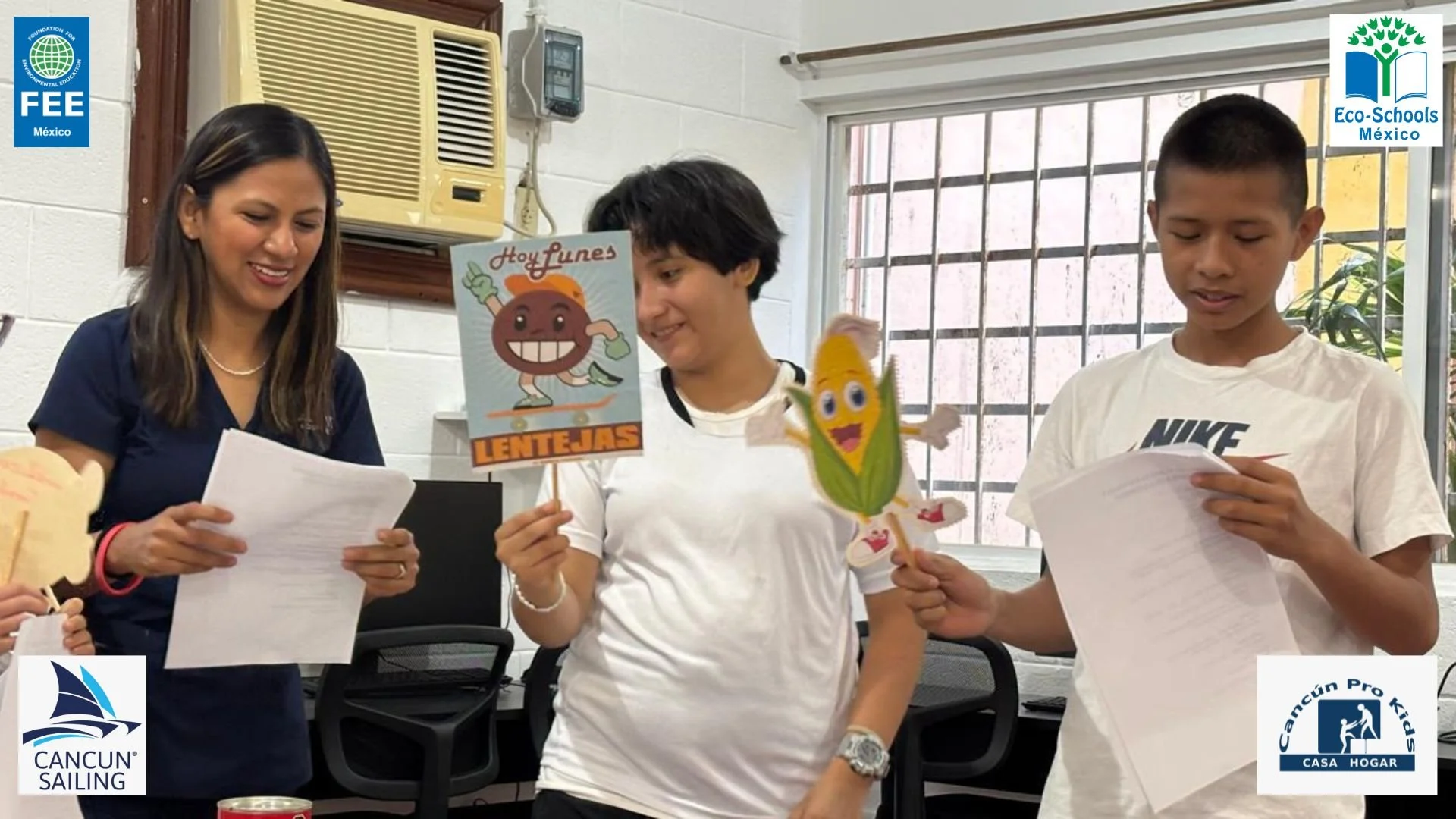
Education as a PAthway to EMpowerment
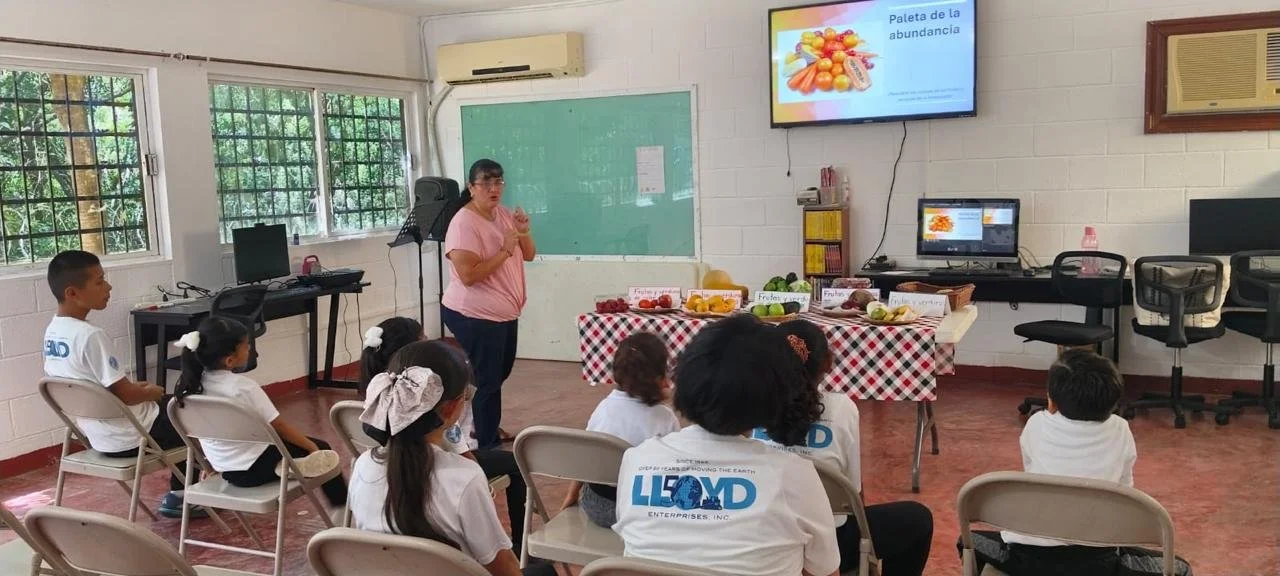
Through the Eco-Schools programme, Pro Kids has embedded environmental education into its daily activities. What initially felt unfamiliar and even intimidating for some students, such as participating in environmental committees or group discussions, has gradually transformed into a source of confidence and pride.
With the support of teachers, volunteers, and partners like Cancún Sailing, students have developed practical skills that extend beyond the classroom. They now actively engage in environmental practices such as waste sorting and are increasingly confident in sharing their knowledge with others in their community.
Learning by DOing
A key element of this partnership is project-based learning. Activities at beaches, parks, and green spaces allow students to connect directly with nature while learning about environmental responsibility. Despite initial challenges, such as maintaining focus among younger children, creative approaches, encouragement, and celebration of achievements have helped sustain engagement.
In addition, Cancún Sailing contributes to the children’s development through regular English lessons, helping to broaden future opportunities while strengthening the link between environmental awareness and global citizenship.
Connecting Wellbeing, Environment, and Everyday Choices
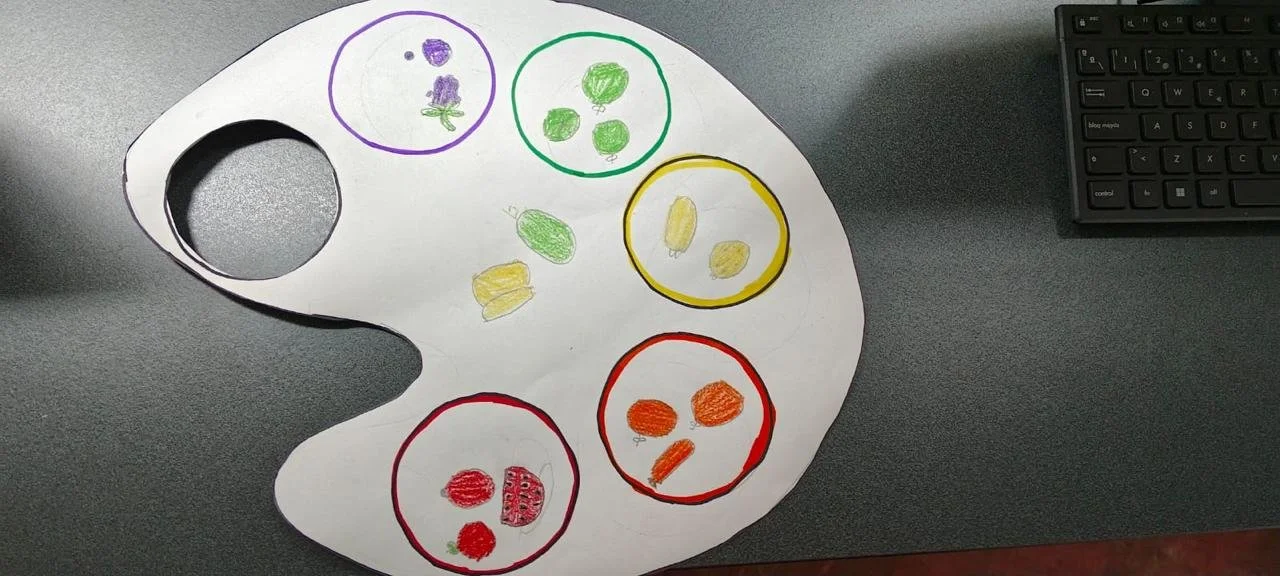
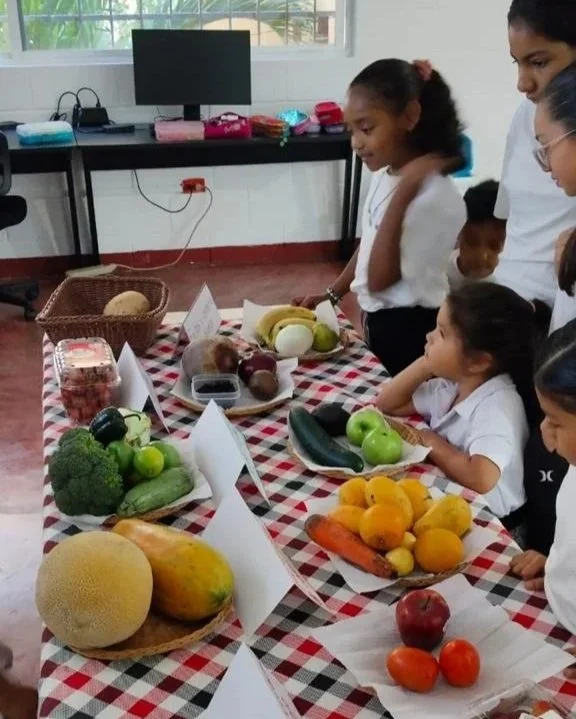
The programme also integrates themes of health and sustainability. Activities such as the “Palette of Plenty” introduce students to seasonal fruits and vegetables, exploring how colour relates to nutritional value and wellbeing. Through interactive experiences, touching, tasting, and preparing food, students learn to make healthier choices while understanding the wider connections between lifestyle, environment, and sustainability.
These experiences help foster not only environmental awareness, but also essential life skills such as organisation, perseverance, and self-care.
Growing Impact
What began as a series of structured Eco-Schools activities has grown into a broader cultural shift within the children’s home. Students who once felt uncertain are now enthusiastic participants, actively caring for their environment and contributing to a more sustainable community.
This collaboration highlights the strength of linking Blue Flag sites with Eco-Schools: combining environmental excellence with education and social impact. It stands as a powerful example of Global Action Days in action, showing how local partnerships can empower young people, strengthen communities, and contribute to a more sustainable and resilient future.
Eco-Schools Rwanda Produces Over 85,000 Trees Through New Demonstration Nurseries
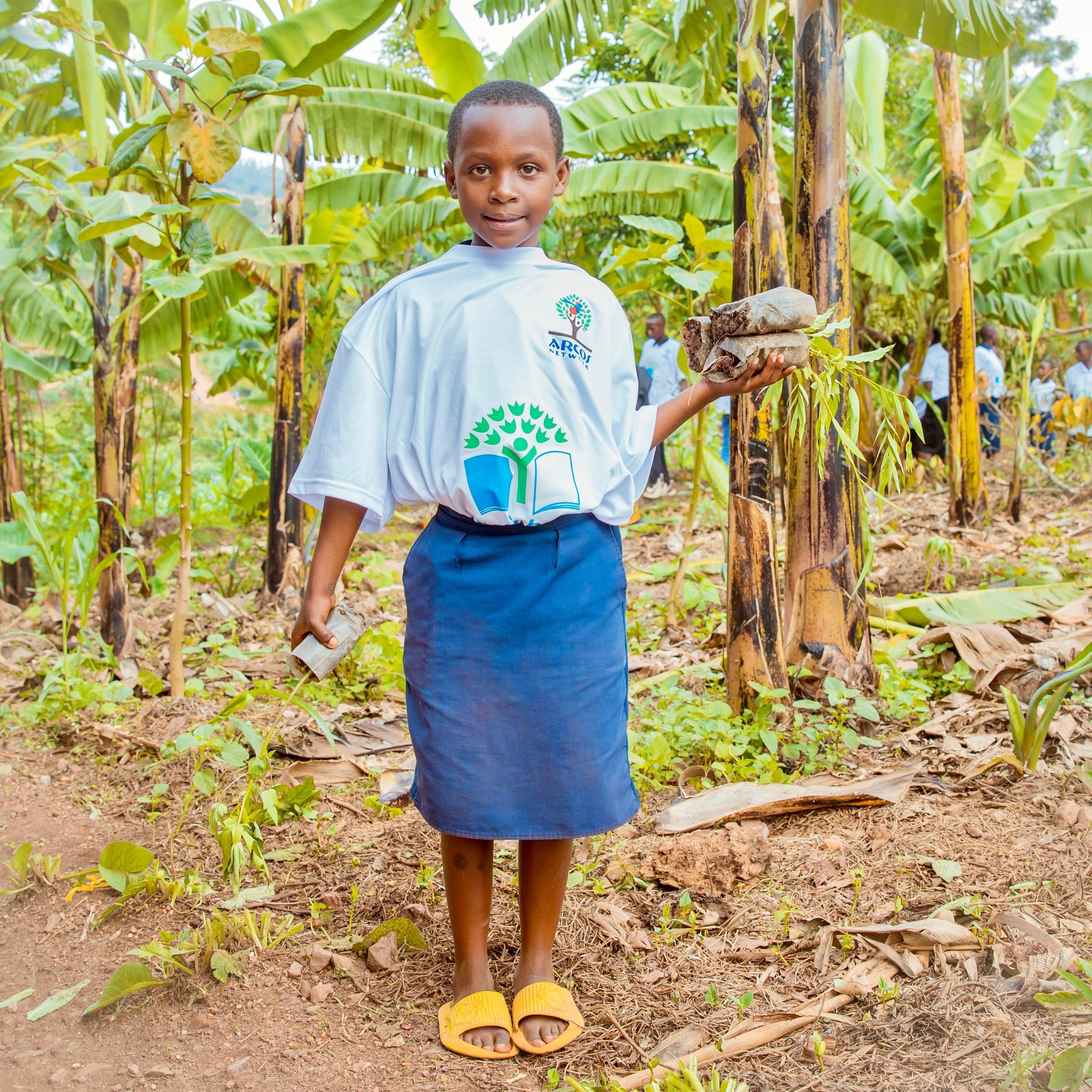
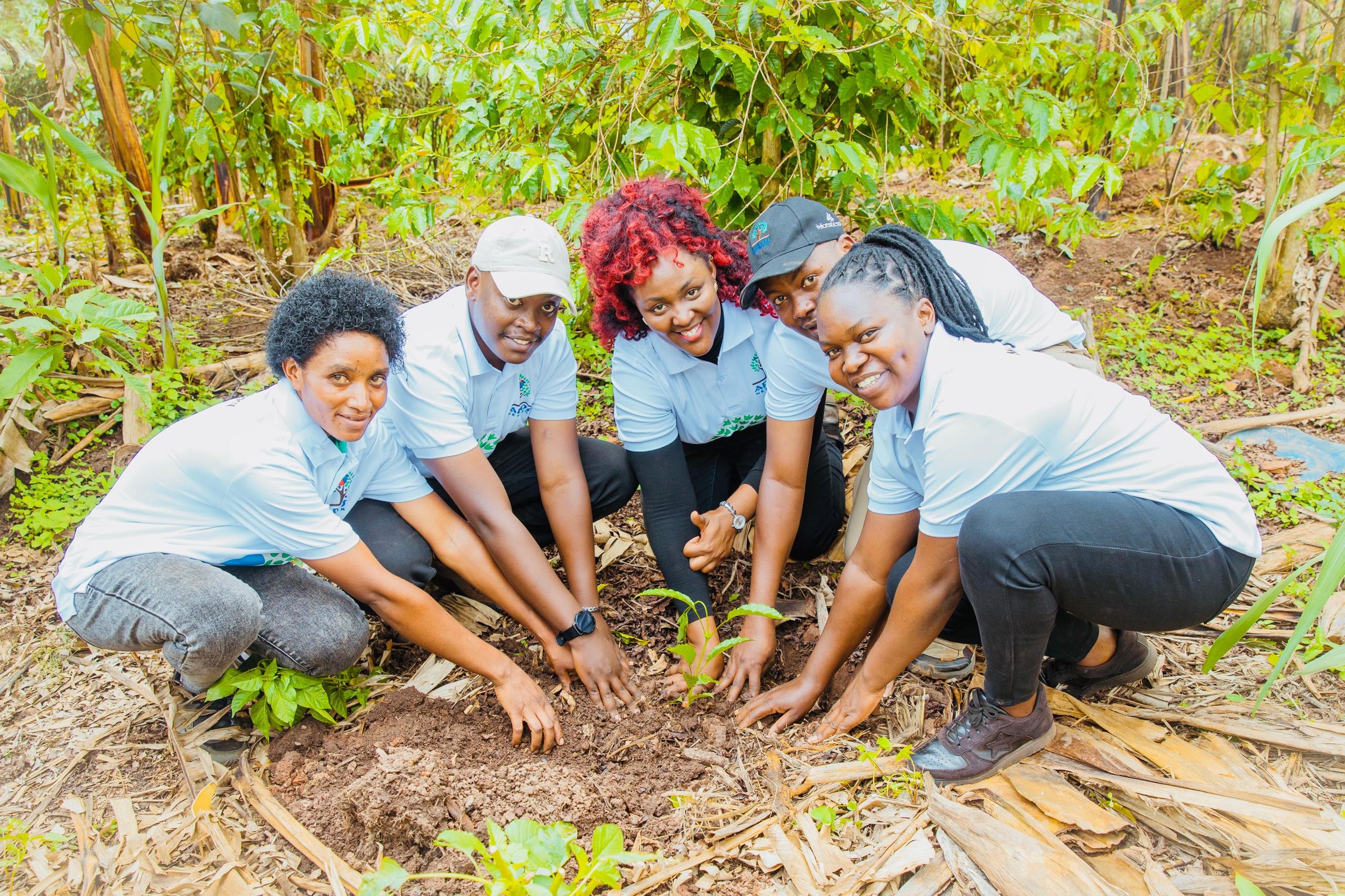
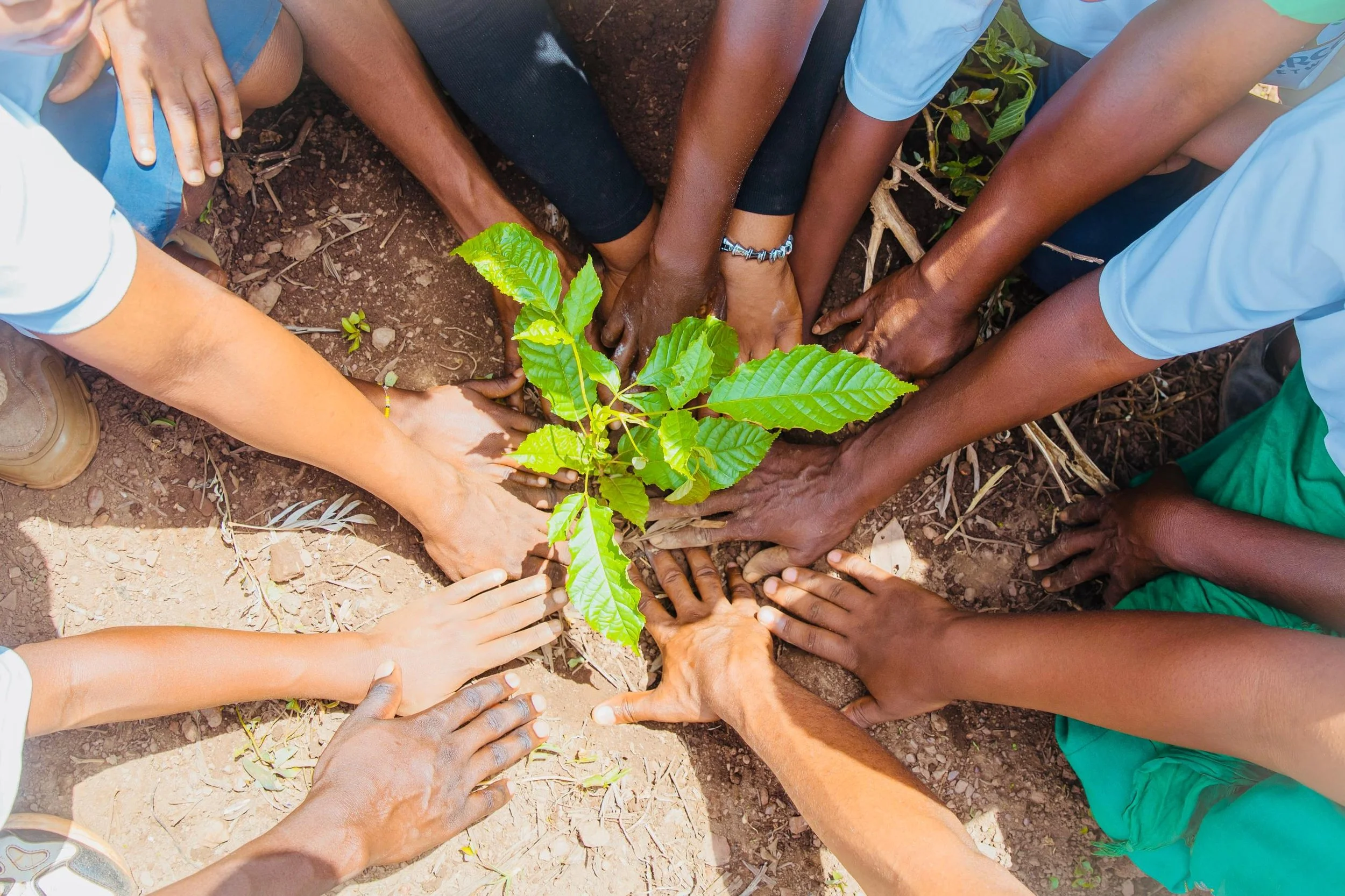
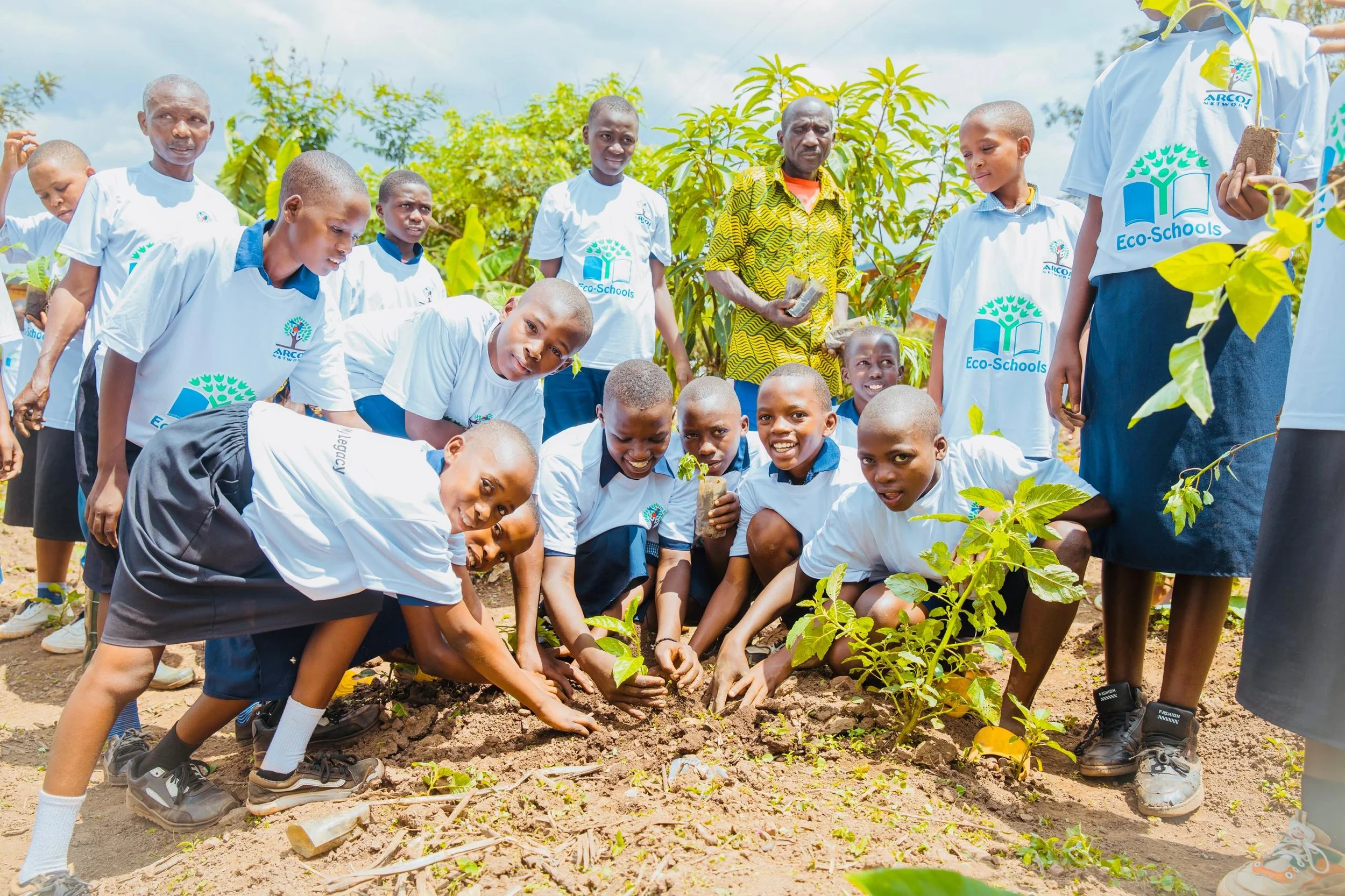
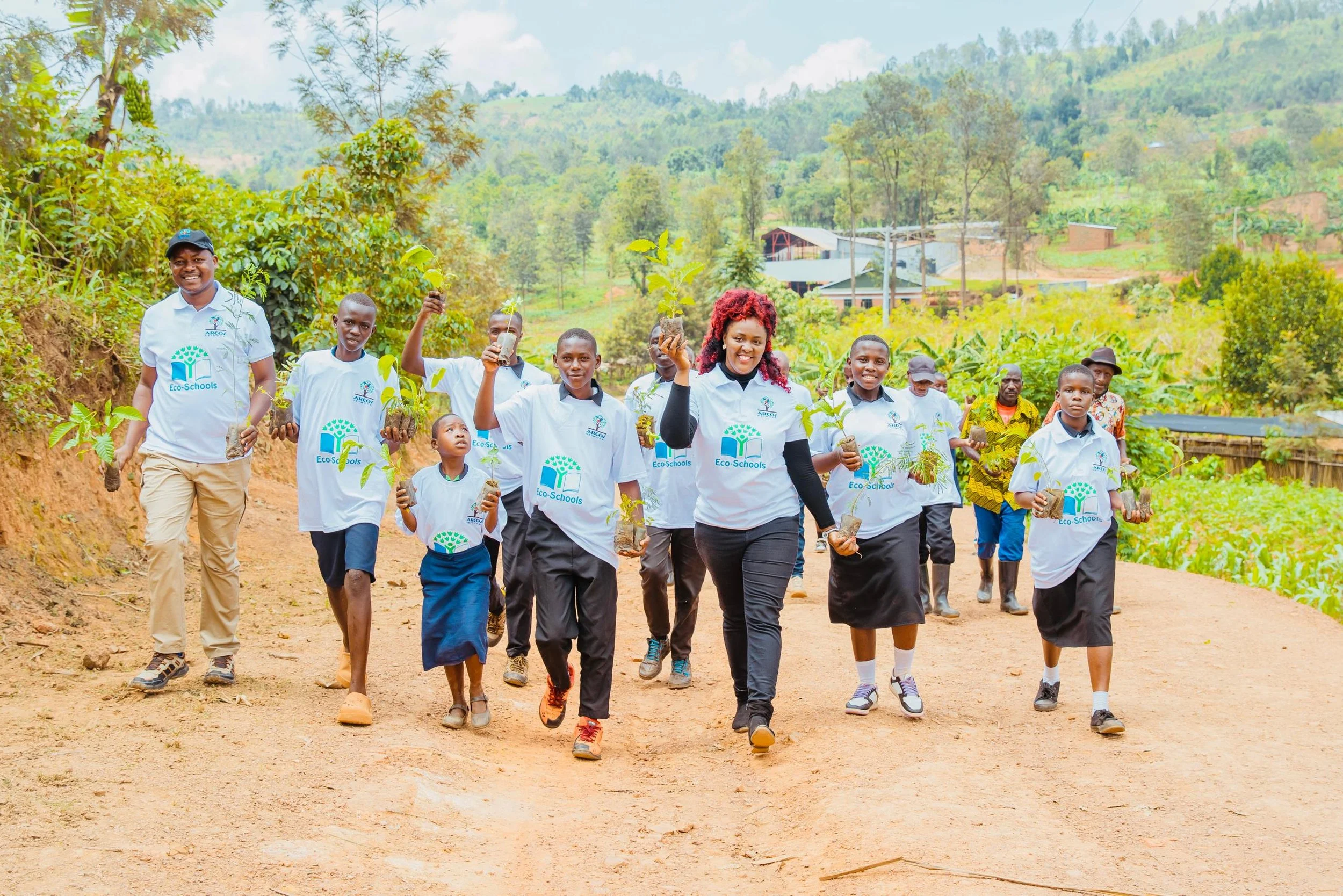
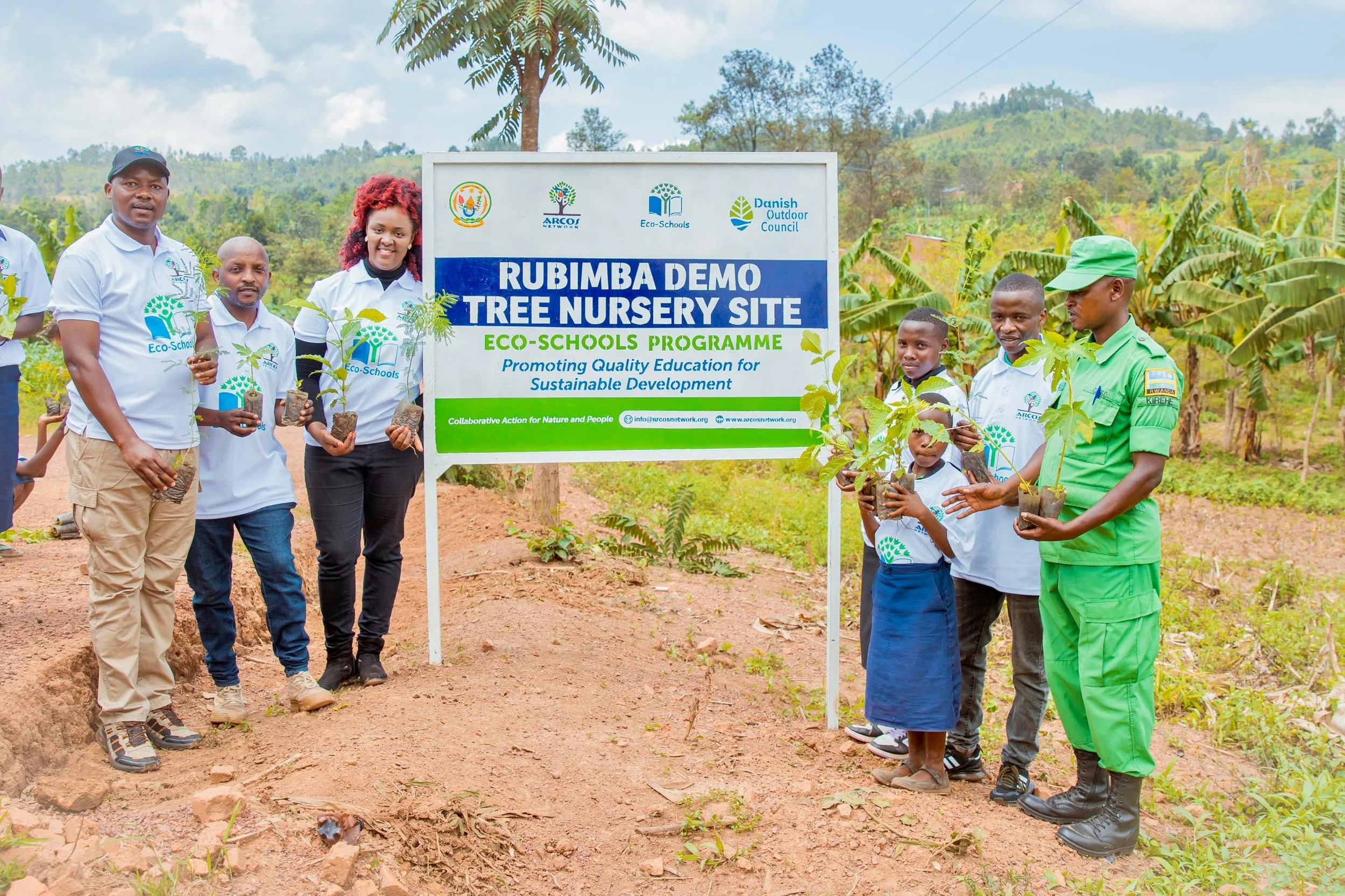
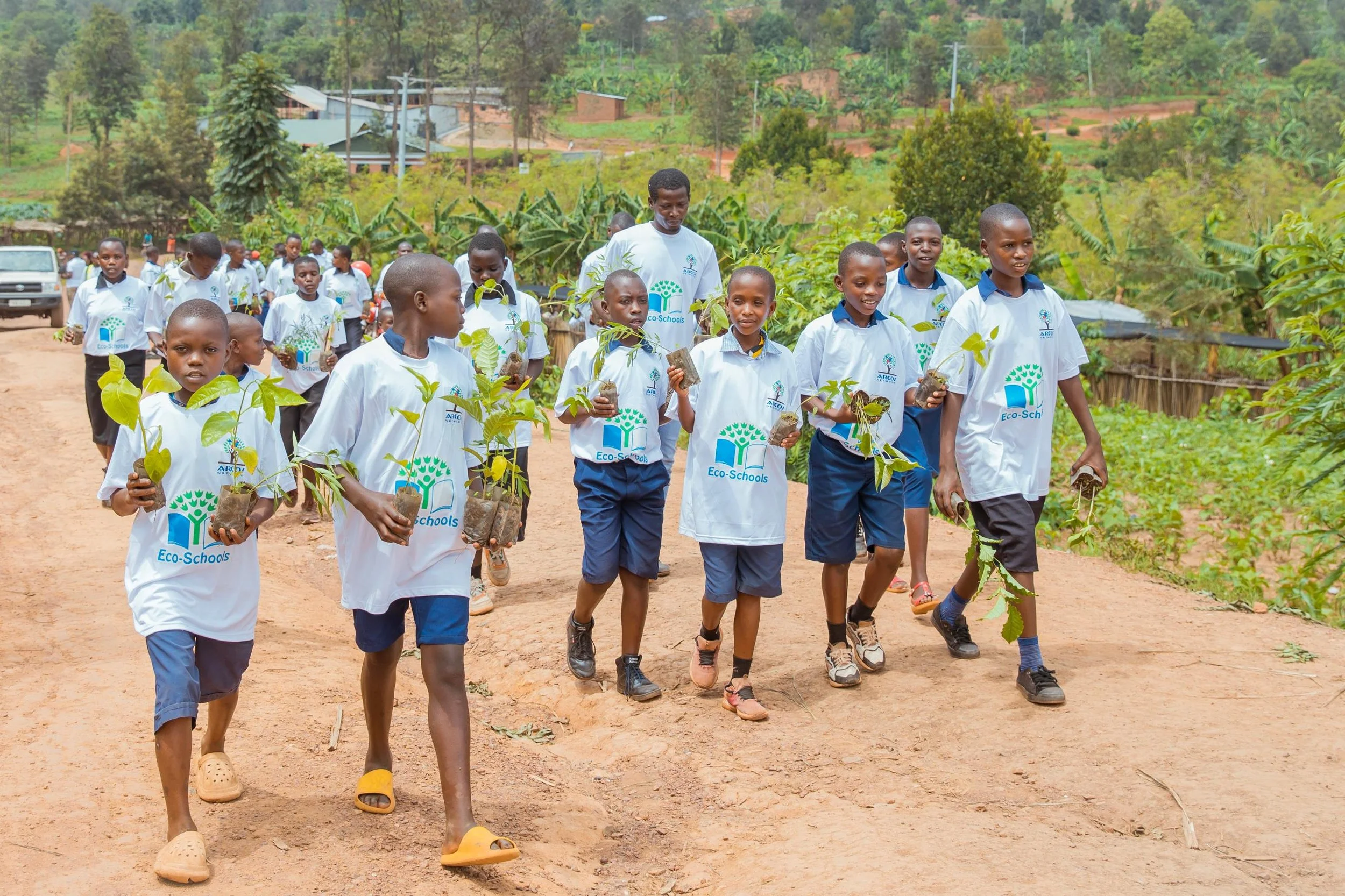
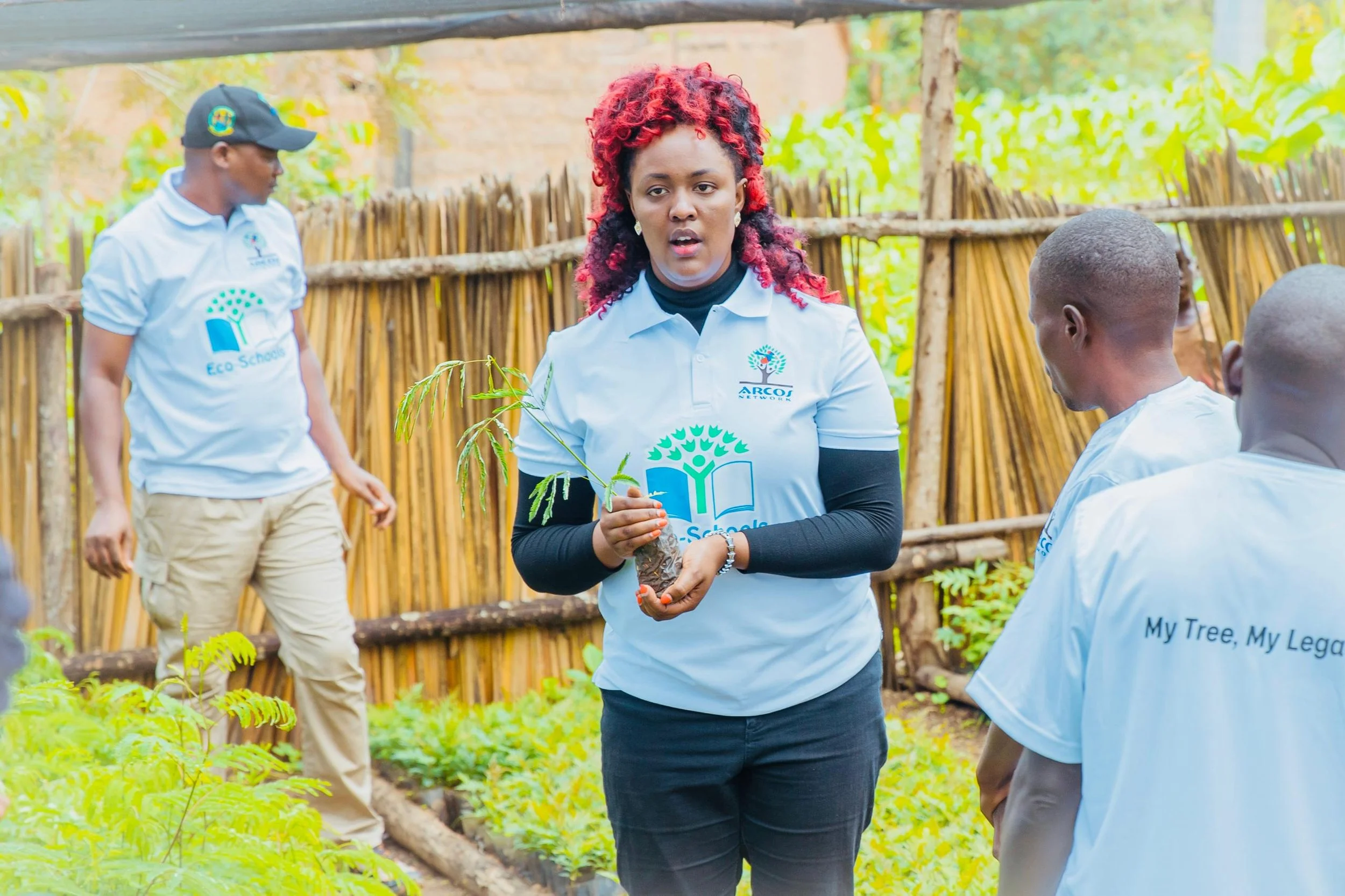
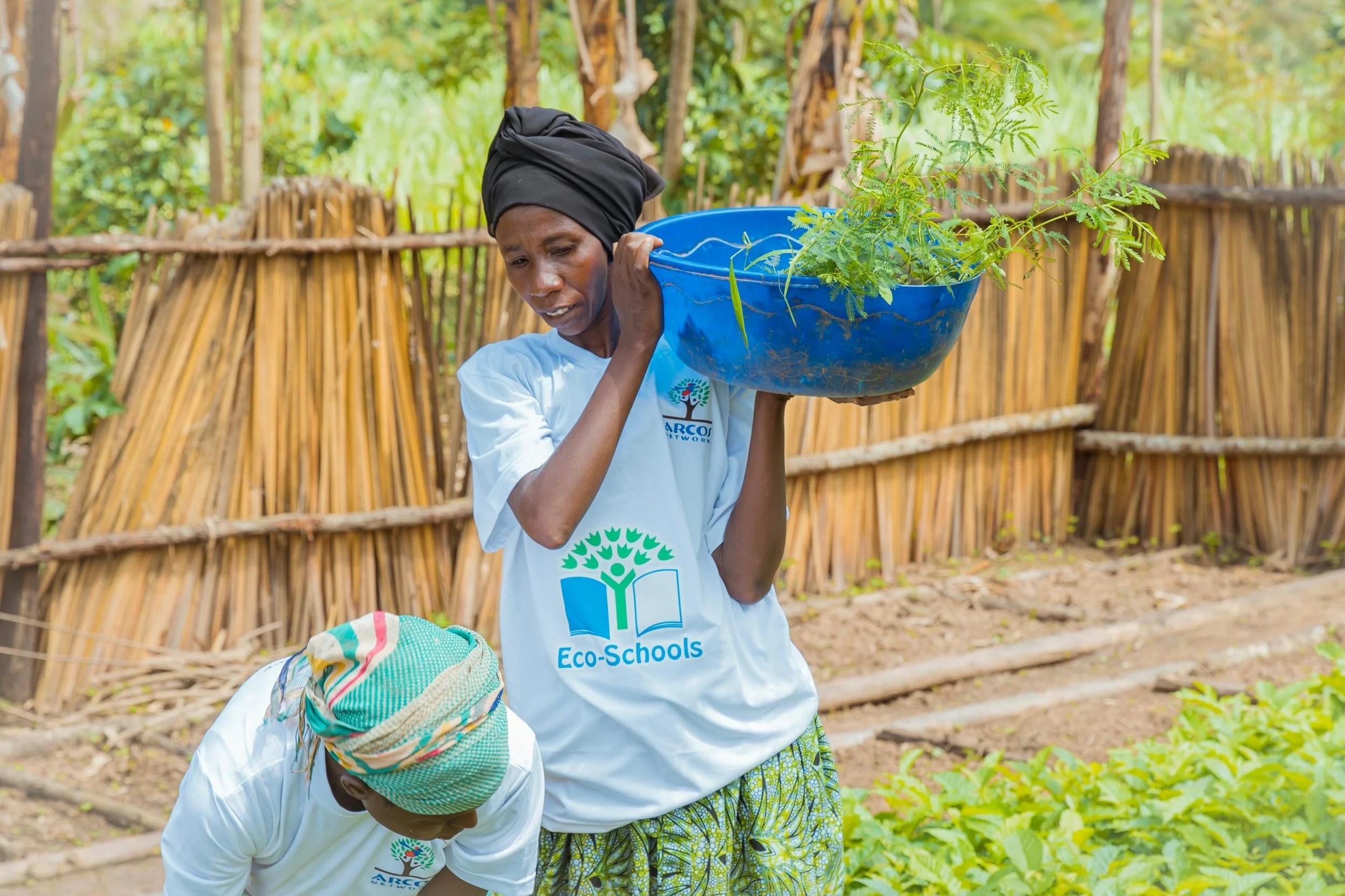
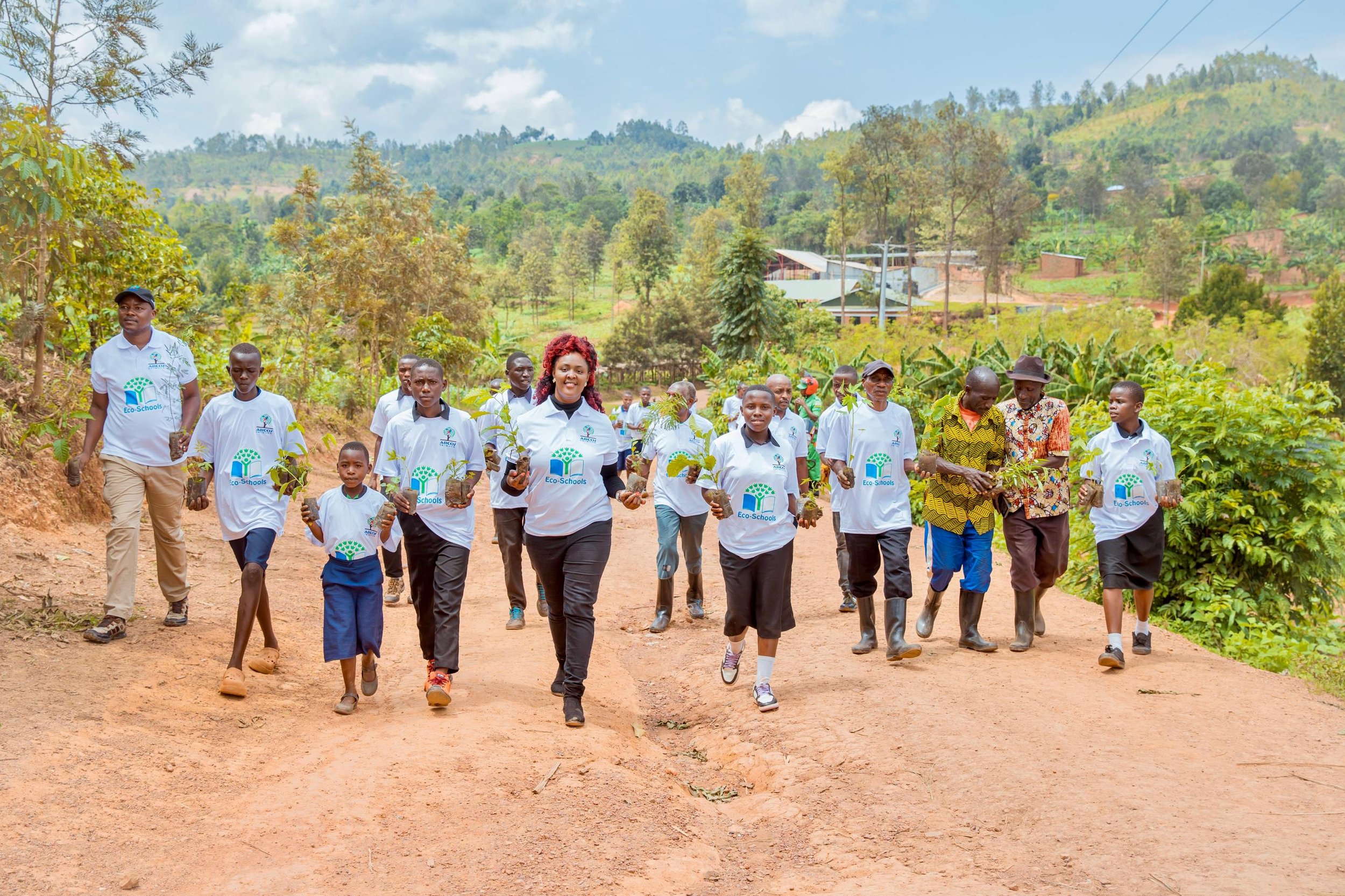
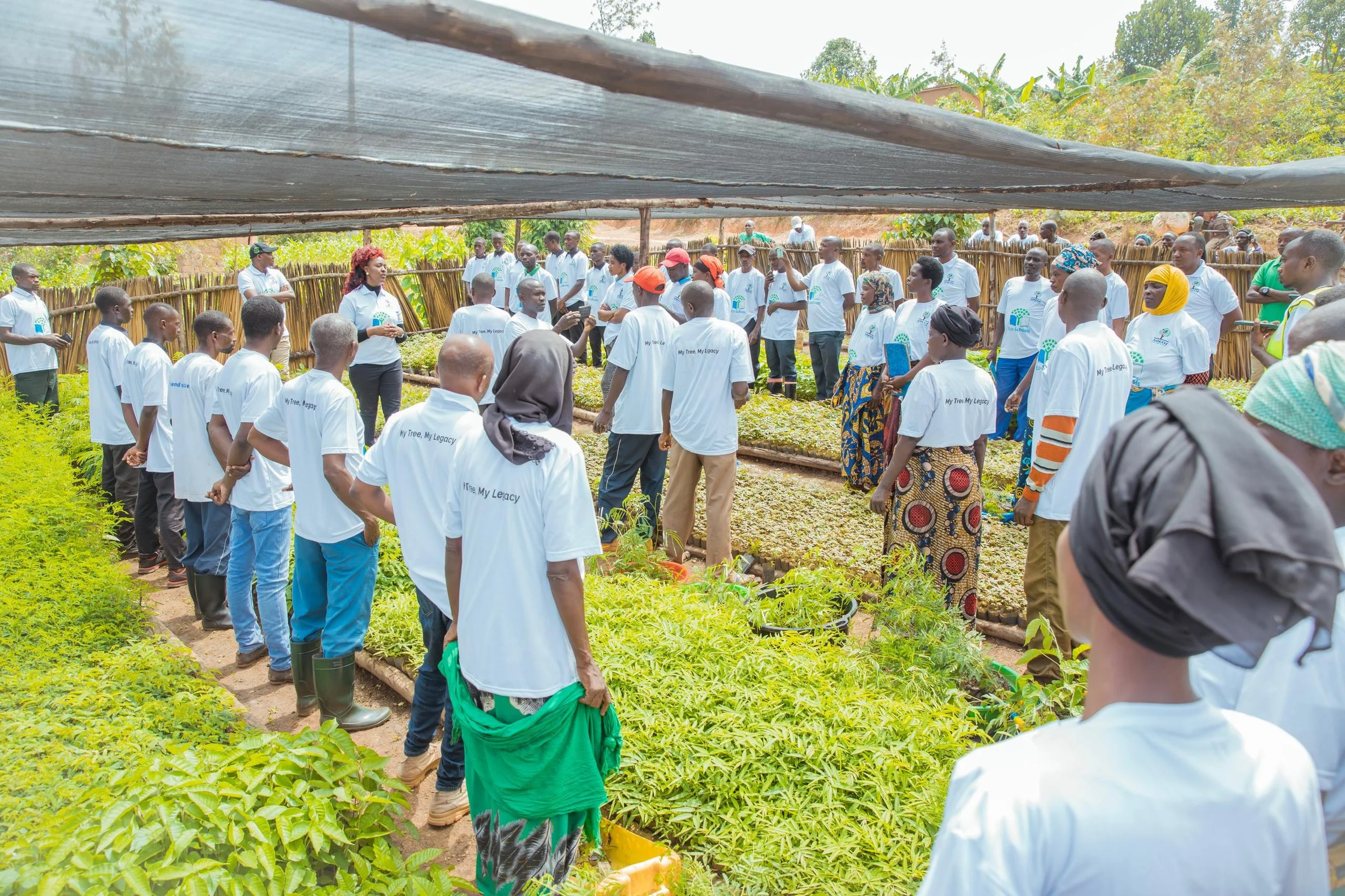
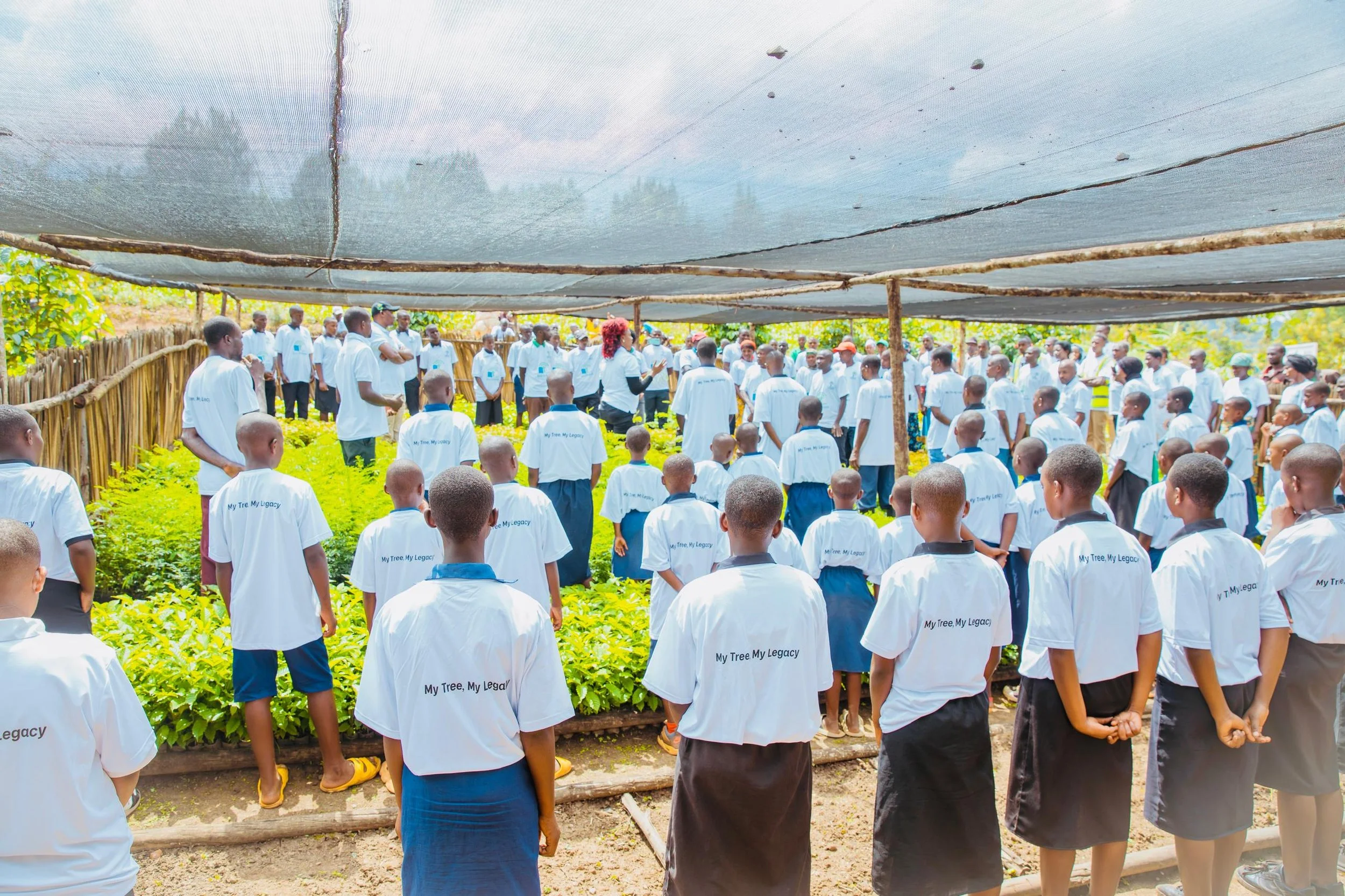
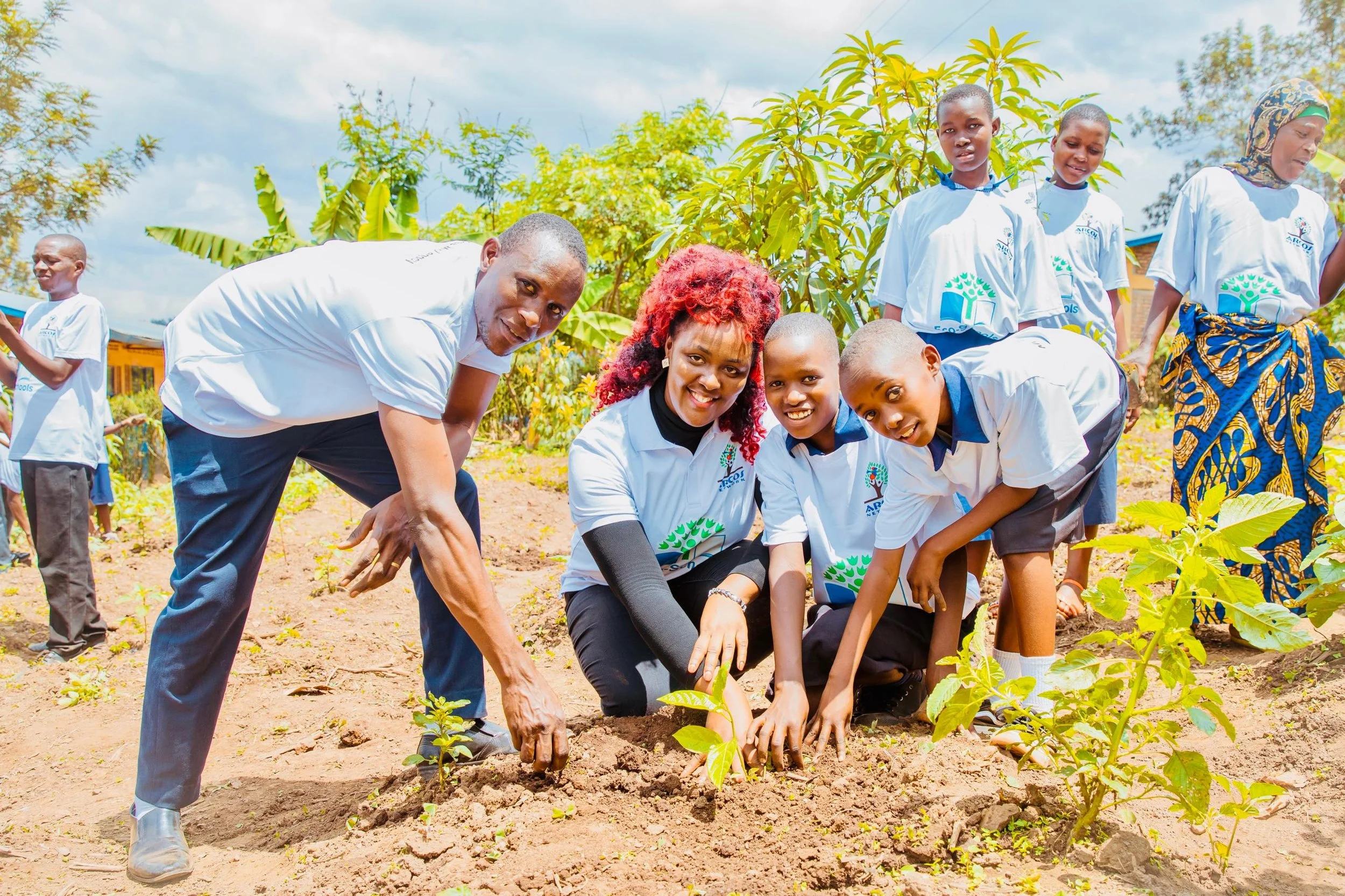
Kigali, Rwanda - The ARCOS/Eco-Schools Programme in Rwanda has announced a major milestone in its environmental education and climate resilience efforts: the successful production of over 85,000 trees through its newly launched Eco-Schools Demonstration Tree Nurseries.
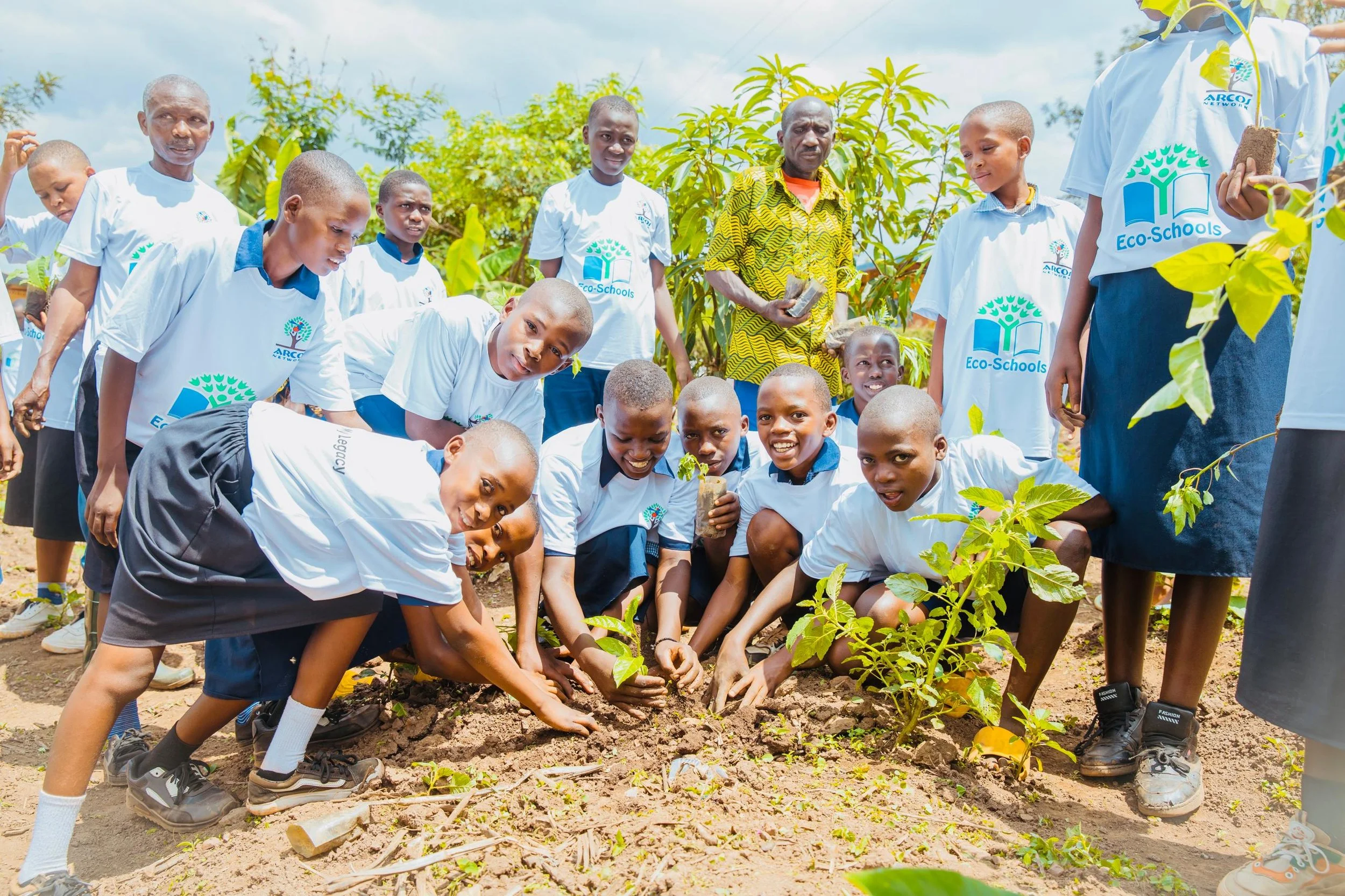
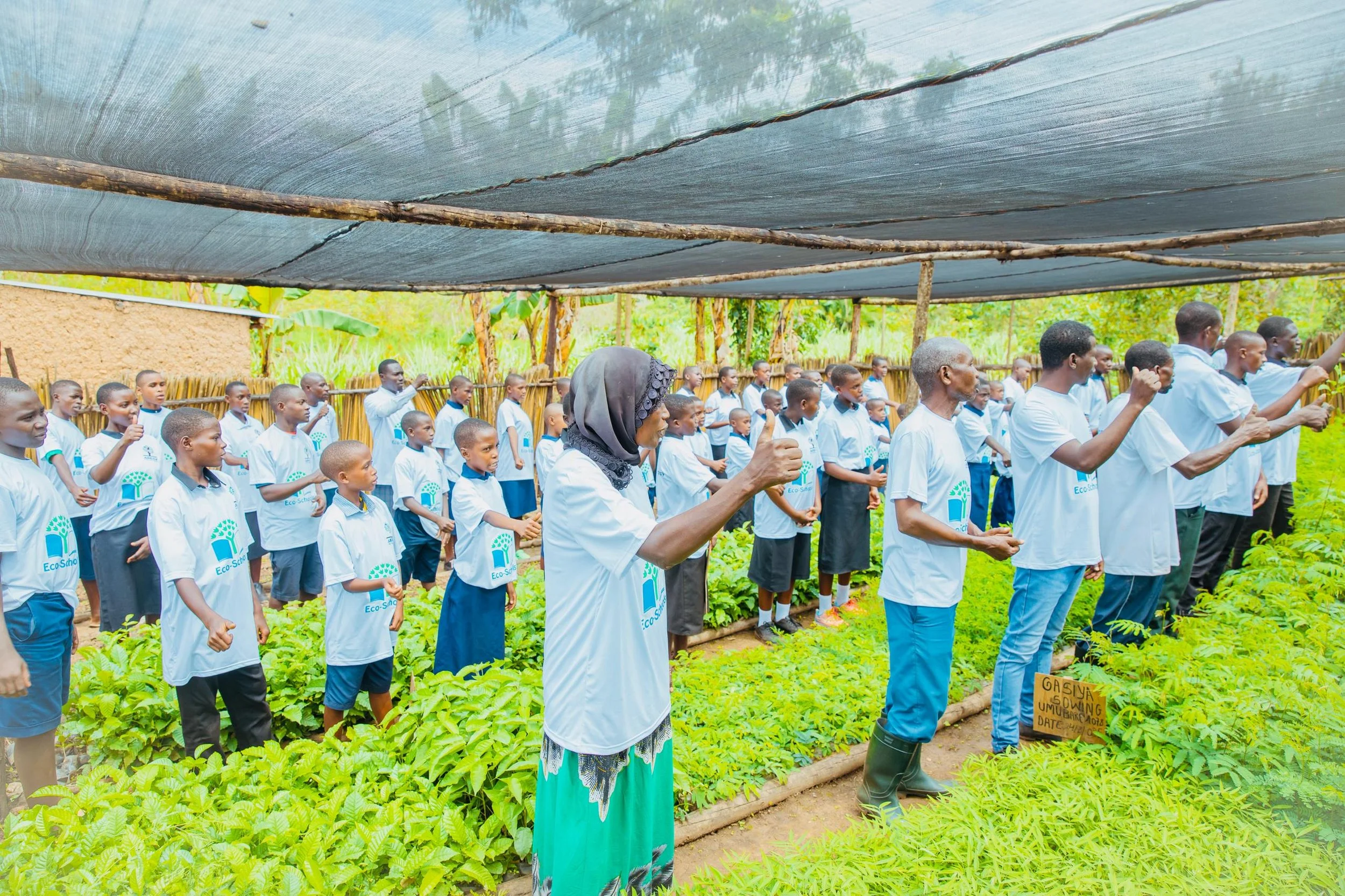
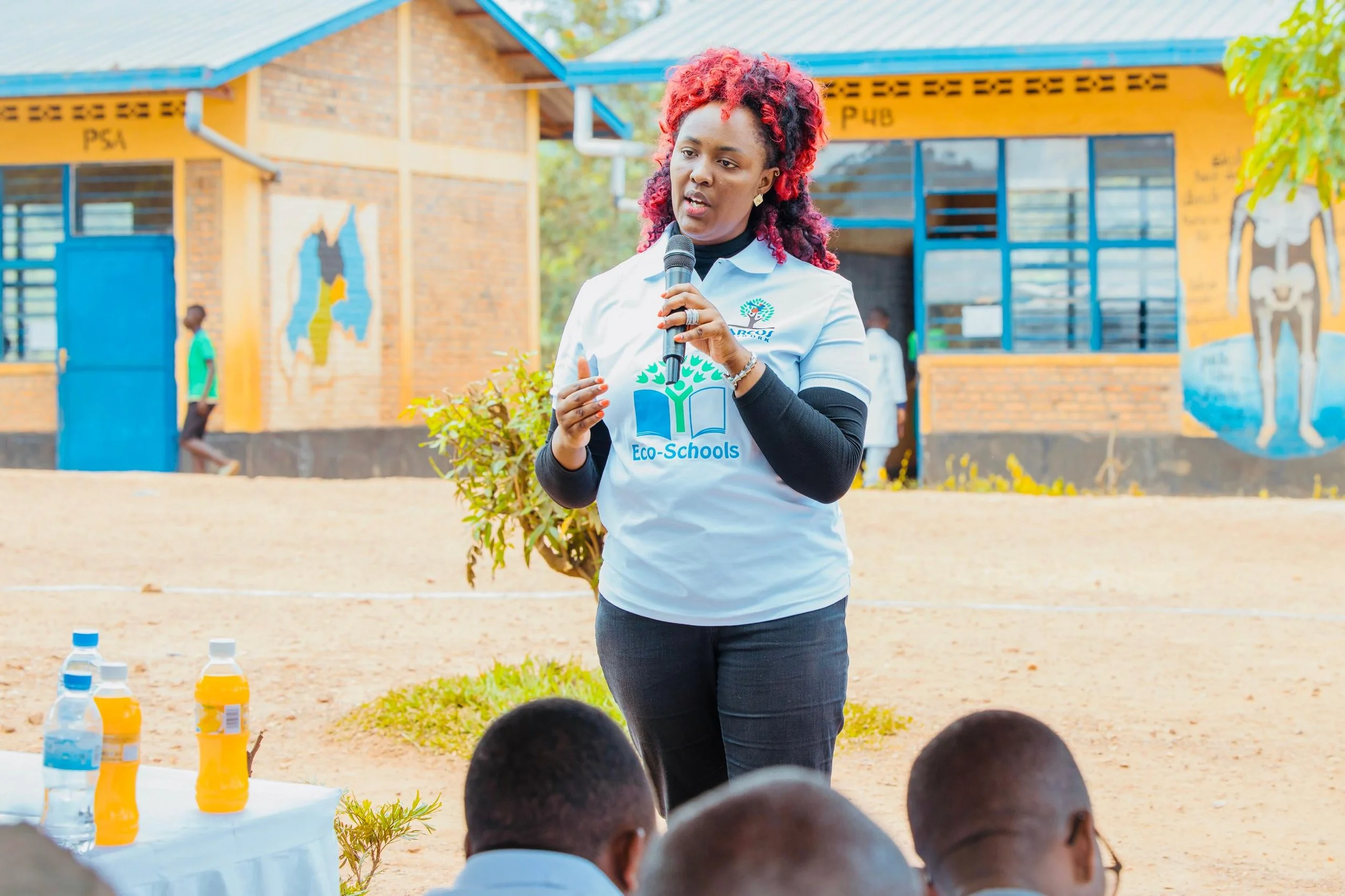
Launched under the inspiring theme “My Tree, My Legacy,” the initiative introduces a dynamic Living Green Learning Zone-a space where students, teachers, and community members gather to learn, grow, and take collective action for the environment. These nurseries not only supply tree seedlings but also serve as hubs for peer learning, hands-on environmental education, and community engagement.
Growing Climate Resilience Across Communities
The 85,000+ trees grown through this effort will be planted in partner schools and surrounding communities, marking a significant contribution to Rwanda’s reforestation goals and broader climate resilience strategies. The large-scale planting initiative will help restore degraded landscapes, increase biodiversity, and engage youth in meaningful climate action.
Strengthening Environmental Responsibility Through Learning
The Demonstration Tree Nurseries offer students a unique opportunity to connect learning with real-world impact. By nurturing trees from seedlings to planting, learners gain practical skills in ecosystem restoration, deepen their understanding of climate challenges, and develop a lasting sense of environmental responsibility.
This achievement underscores the transformative power of the Eco-Schools model in Rwanda-linking education, community partnership, and environmental stewardship to create a greener, more sustainable future.
Cross-border collaboration between Norway & Estonia: Nature-based learning
The following article is from a joint project between Tartu Nature House Estonia and FEE Norway. Nine kindergarten teachers from Estonia visited Norway recently and the topic for the study trip was how nature can be a classroom and Norwegian and Estonian teachers inspired each other. We are very proud to disseminate this collaboration and hope the network find it as inspiring as we do.
Cross-border collaboration in nature-based learning
Imagine a classroom where the forest floor is the carpet, the trees are the walls, and curiosity is the curriculum. Recently, nine Estonian educators traveled to Trondheim, Norway, to experience just that : nature as a living classroom.
The visit was part of an EEA project (support from the Bilateral Relations Fund of the European Economic Area and Norwegian Financial Mechanisms) through the Eco-Schools network, aimed at strengthening collaboration, increasing climate and environmental awareness, and promoting sustainable practices in early childhood education.

Learning from nature in Norwegian kindergartens
During the visit in Trondheim the Estonian and Norwegian educators exchanged experiences on how to engage even the youngest children with nature. They discussed, among other things, how bumblebees and small insects can spark a child's curiosity and lead to a deeper understanding of natural sciences.
To give the guests a hands-on experience of nature-based education, they visited two kindergartens in Trondheim: Kyvatnet Nature Kindergarten and Stabburet Kindergarten.
“In Norwegian kindergartens, nature itself is one of the teachers. It teaches naturally and year-round. Weather is no obstacle, and plans are never postponed because of it. Children are also allowed to take risks in a safe way through outdoor play. It seems that both Norwegian teachers and parents are braver in this area.”
— Terje Pankin, Tallinn Lehola Kindergarten
A holistic approach at Voll Farm

A highlight of the study tour was a visit to Voll Farm, an educational farm where kindergartens and schools in Trondheim learn about cultivation, farming, and sustainable agriculture.
Eivind from Voll Farm explained their holistic approach, which emphasizes the entire journey from soil to table. Children and students experience firsthand how food is grown and why sustainable practices matter. He also highlighted the important partnership with Trondheim Municipality, which ensures that children have access to the farm’s educational activities.
At Voll Farm, children meet a wide variety of animals: including pigs, cows, horses, chickens, goats, sheep, and turkeys. The farm also features large vegetable gardens, offering valuable lessons in food production and sustainability.
"Growing your own food contributes to a more sustainable future and strengthens the connection between people and the foundation of our existence,"
— Eivind, Voll Farm
Wild Pollinators
Certified bumblebee instructor Vigdis Solberg from Trondheim municipality gave an inspiring lecture about wild pollinating insects. Vigdis shared her experiences on how even very young children can get involved and excited about bumblebees.
Impressions Beyond Nature
In addition to learning about nature and outdoor education, the Estonian educators were surprised by the high number of male teachers working in Norwegian kindergartens.
"I was surprised by the proportion of male kindergarten teachers. We met male teachers and assistants both at the kindergartens and out in nature during a hike with the children."
— Maarja Mandri, Tartu Lotte Kindergarten

Esme Kassak from Tallinn Municipality also joined the study tour and reflected on the valuable insights gained.
"The study trip to Trondheim, and meeting with representatives from local authorities and educators, provided valuable insights into how environmental education can be offered through collaboration. It was very interesting to learn how the municipality provides resources such as courses, who is responsible, and why the system is so effective."
— Esme Kassak, Tallinn Urban Environment and Public Works Department
The Trondheim experience underscored a universal truth: when children connect with nature early, they become lifelong stewards of the environment. By sharing knowledge across borders, educators are planting the seeds for a more sustainable, resilient future.
Eco-Schools art exhibition in Türkiye
Ankara Eco-Schools 11th Painting and Photography Exhibition Opened in Ankara on 15 April
The 11th Ankara Eco-Schools Painting and Photography Exhibition, themed “My Nature Story” this year, took place at the Nazım Hikmet Cultural Centre (Yenimahalle) on 15–16 April 2025.

The exhibition was officially opened at 11:00 on Tuesday, 15 April, and was visited by nature enthusiasts throughout both days. A total of 45 Eco-Schools were represented at the event, where the artwork of students from Ankara’s Eco-Schools was showcased.
Assoc. Prof. Abdulkadir Ateş, President of the Foundation for Environmental Education in Türkiye and former Minister of Tourism, shared his thoughts on the occasion:
“Since our establishment in 1993 as the Foundation for Environmental Education in Türkiye, we have conducted all our activities with the aim of leaving a better world for children. We believed that the activities carried out in schools under the Eco-Schools programme, one of our educational initiatives, should not remain confined to school walls. We have therefore placed great importance on collective Eco-School activities that promote broader environmental awareness.
The work of Ankara’s Eco-Schools held special significance for us within the scope of these collective efforts. Our traditional Ankara Eco-Schools Painting and Photography Exhibition was one such initiative, and we were delighted to have held it for the eleventh consecutive year.
I hope that activities such as these, which bring Eco-Schools together, serve as an example to others. I congratulate all our students who drew and photographed their own nature stories, as well as the Eco-School coordinator teachers who supported them.”
The Eco-Schools Programme, currently implemented in over 51,000 schools across 101 countries, has been active in kindergartens, primary and secondary schools in Türkiye since 1995, under the coordination of the Turkish Environmental Education Foundation. A total of 1,236 environmental schools throughout Türkiye—and 116 in Ankara alone—participated in the programme, which sought to cultivate environmental awareness among children.
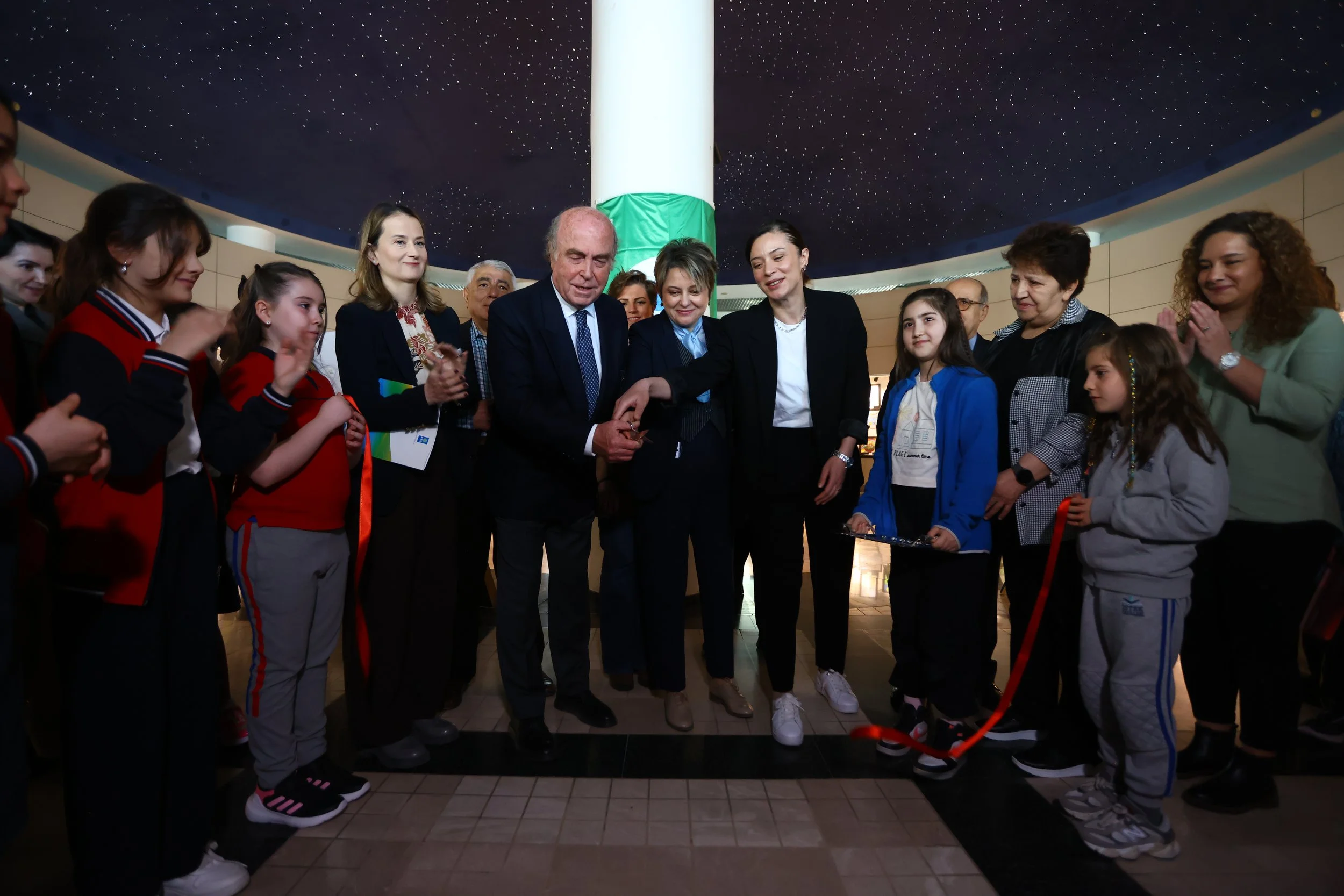


The Ankara Eco-Schools Painting and Photography Exhibition, which adopts a different theme each year, brought together environmentally-conscious teachers and students, offering a reflection of students’ perspectives on nature and helping to raise awareness.


International Day of Education 2025
Friday 24th January 2025 was International Day of Education and we celebrated the power of Climate Change Education to transform lives and remove barriers to learning!
Through the Eco-Schools Seven Steps methodology, schools in 101 countries are addressing immediate climate challenges while improving education quality through project-based and place-based learning.
In regions facing severe climate impacts - droughts, floods, and extreme weather - Eco-Schools enables adaptation through hands-on learning and community engagement, fostering practical solutions, healthier environments, and greater access to education.
By fostering resilience and enhancing education quality, Eco-Schools is breaking barriers to learning. Together with the UN’s Greening Education Partnership, we aim to green 50% of schools worldwide by 2030.
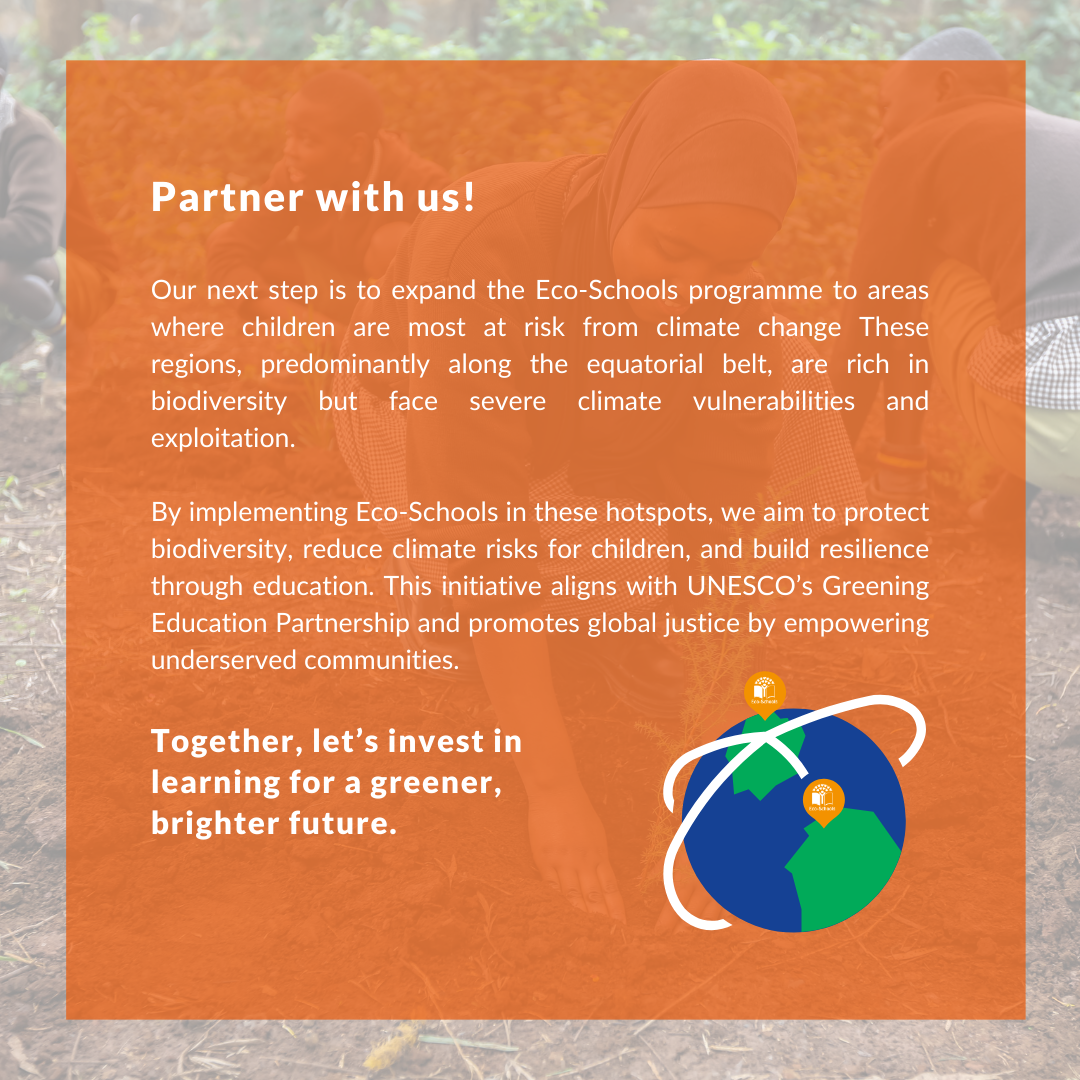
Our goal? To expand into regions with the highest children’s Climate Risk Index (CCRI) and biodiversity hotspots, making green education accessible to all.
We believe in the power of education to create lasting change. Join us in making this vision a reality! 💚
Check out the following slideshow showing how education can propel climate action :)


100 Green Flags rising in Morocco
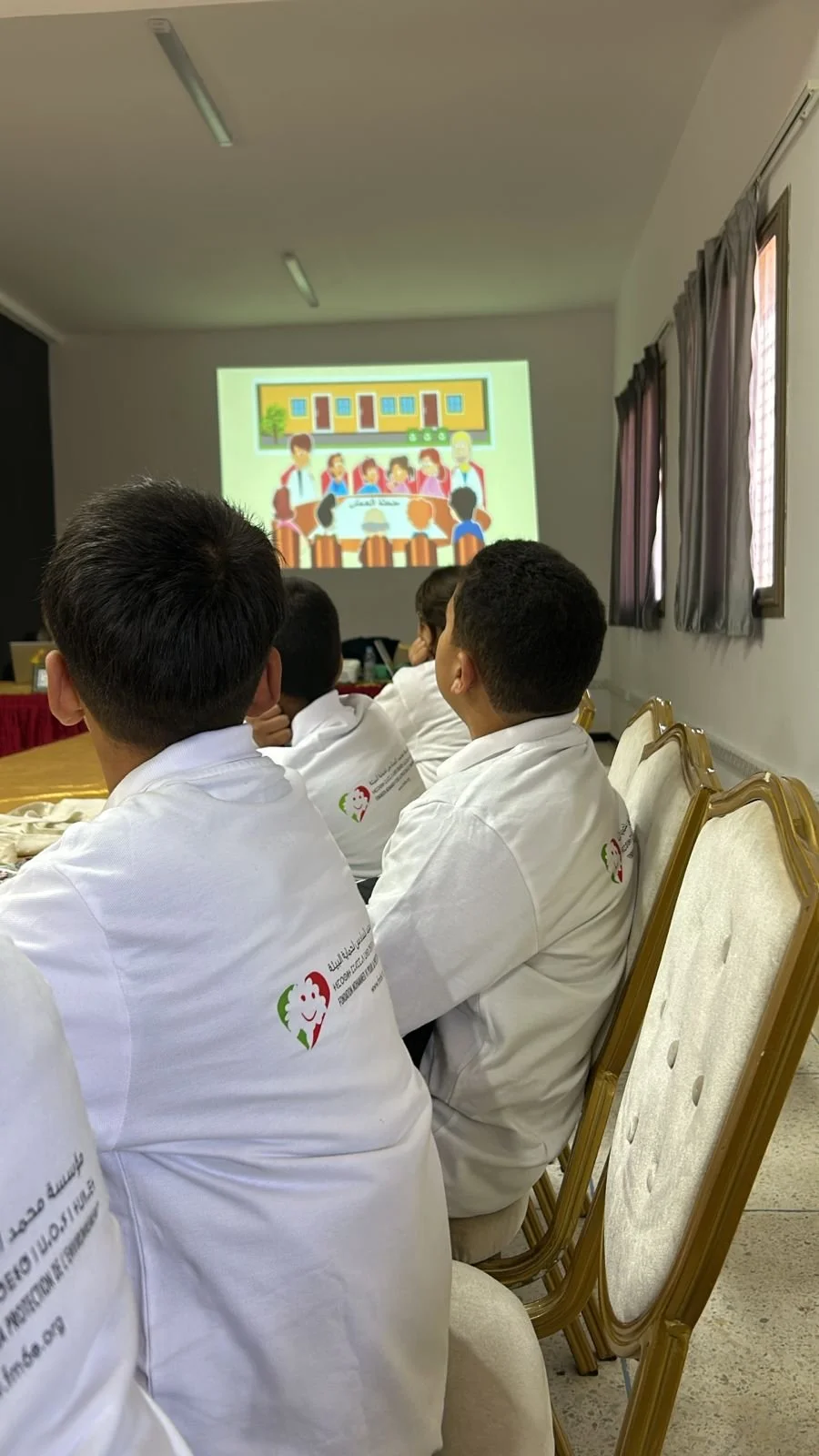
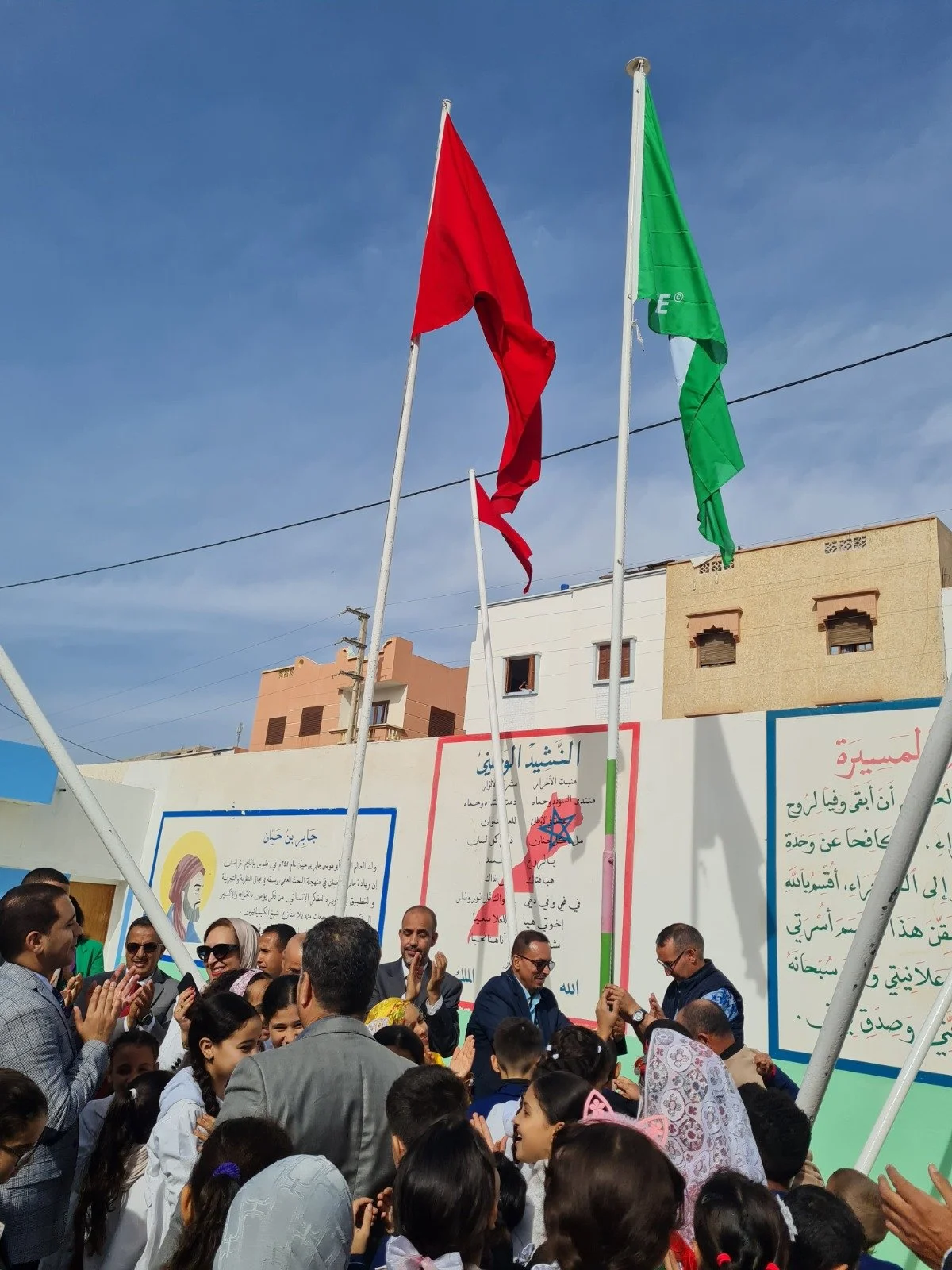
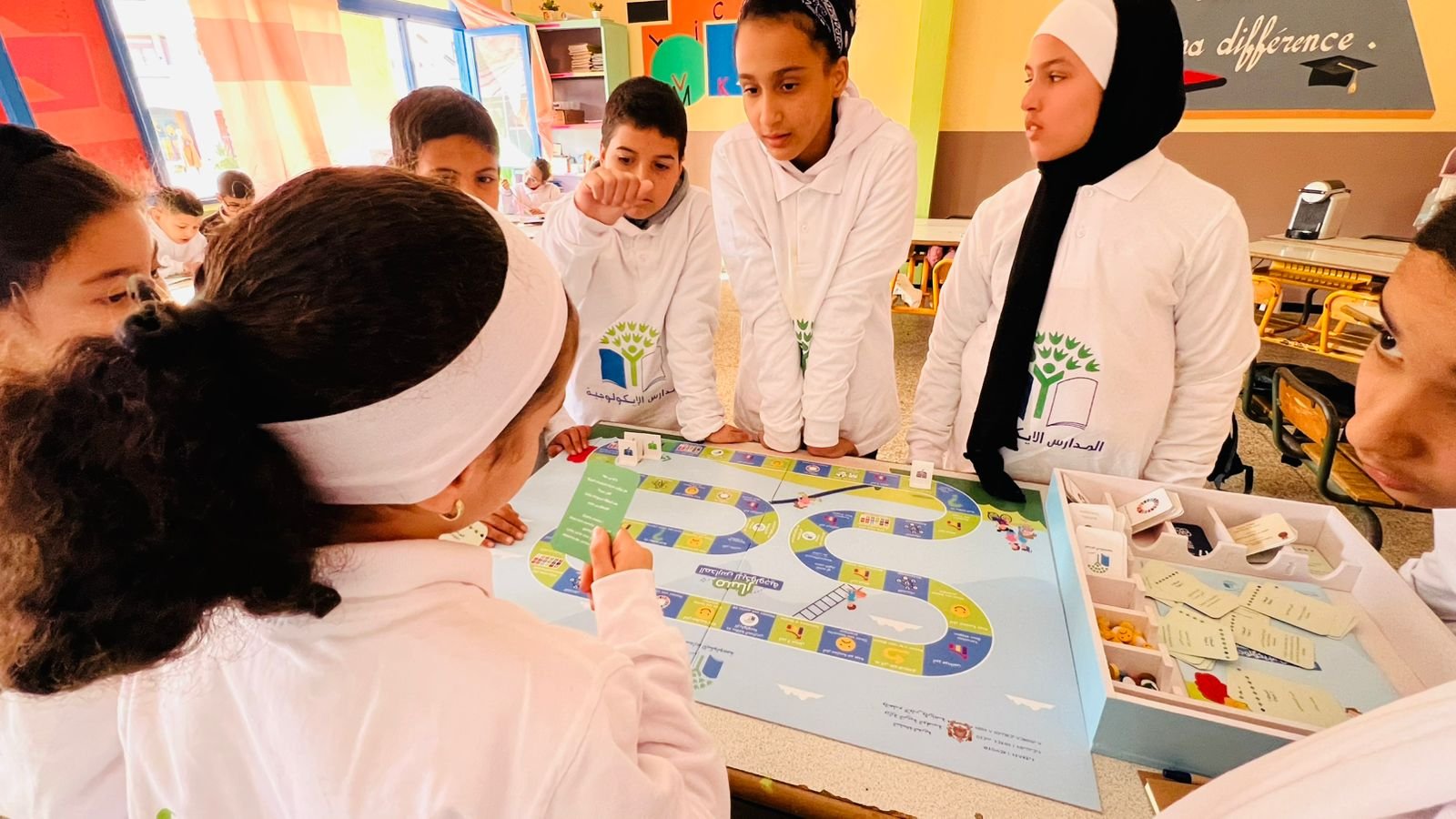
We’re thrilled to share that 100 schools in Morocco earned the Green Flag for 2023/2024 through the Eco-Schools programme, recognising their commitment to sustainability and the Sustainable Development Goals (SDGs)
This milestone was celebrated during regional workshops held from November 2024 to January 2025, marking the launch of new Education for Sustainable Development (ESD) programmes.
These photos capture the spirit of awareness and collaboration driving environmental education forward!
A heartfelt thank you to the Eco-Schools National Operator organisation in Morocco, Fondation Mohammed VI por la Protection de l’Environnement, for leading the programme nationally and sharing these wonderful moments.
Here are some reflections from Mr. Farid Alaoui working for Eco-Schools in Morocco:
‘'To support our community, the Mohammed VI Foundation for Environmental Protection, in collaboration with its partners, organizes awareness campaigns, capacity-building workshops, and other activities throughout the year. These efforts started with a series of 12 regional workshops, held from November 20, 2024, to January 10, 2025, marking the official launch of the Education for Sustainable Development (ESD) programs for the 2024-2025 school year.
The workshops also included ceremonies celebrating schools and students, such as Green Flag-raising events and award presentations to recognize outstanding contributions. These festive moments highlight the dedication of all stakeholders and showcase the collective efforts toward building a more sustainable future’







FEE Education Awards: Apply now!


The Foundation for Environmental Education (FEE) is excited to announce the launch of its new FEE Education Awards, created to recognise and celebrate the invaluable contributions of teachers and educators who are leading the way in environmental education. The awards aim to highlight outstanding efforts that inspire students to become environmentally conscious citizens and promote sustainable development.
The FEE Education Awards include two categories:
FEE Teachers Award: This award honours teachers who have demonstrated exceptional dedication to integrating environmental education into their classrooms and communities. These educators inspire their students to take action and lead by example, fostering a deeper understanding of environmental challenges.
Lesson Plan Competition: This competition invites educators to submit innovative lesson plans that incorporate environmental themes and engage students in creative, hands-on learning. Winning lesson plans will be featured as best practices on FEE’s platforms, providing inspiration for other educators worldwide.
If you are passionate about environmental education and have made a significant impact, we encourage you to apply! This is an incredible opportunity to showcase your work and inspire others to join the movement for a greener future.
Applications are now open! For more information on how to apply, visit FEE’s Education Awards page.
Eco-Schools in 101 Countries

As we approach our 30th anniversary in 2024, we're proud to celebrate the incredible growth of Eco-Schools, now reaching 101 countries worldwide with Azerbaijan the latest country to start the programme!
From classrooms to communities, Eco-Schools has been empowering students with hands-on, sustainability education for three decades.
Together, we are building a greener future, with schools in 79 countries through FEE member organizations and 22 countries through International Schools. Here’s to 30 years of action-based learning and global impact!
The latest addition country to establish Eco-Schools is Azerbaijan, with the national organisation EkoSfera coordinating Eco-Schools nationally.
“As a pioneering Azerbaijani NGO with over 25 years of experience in environmental education and advocacy in the region, “EkoSfera” Social-Ecological Center is deeply honored to join the Foundation for Environmental Education as its 101st member.
This partnership represents a remarkable opportunity for us to amplify our efforts in promoting environmental awareness and action through education, building on our extensive experience and deep-rooted commitment.
We look forward to collaborating with fellow members to inspire and empower learners of all ages to become active contributors to a sustainable future. Together, we can cultivate a generation of environmentally conscious citizens who will drive positive change in Azerbaijan and beyond””
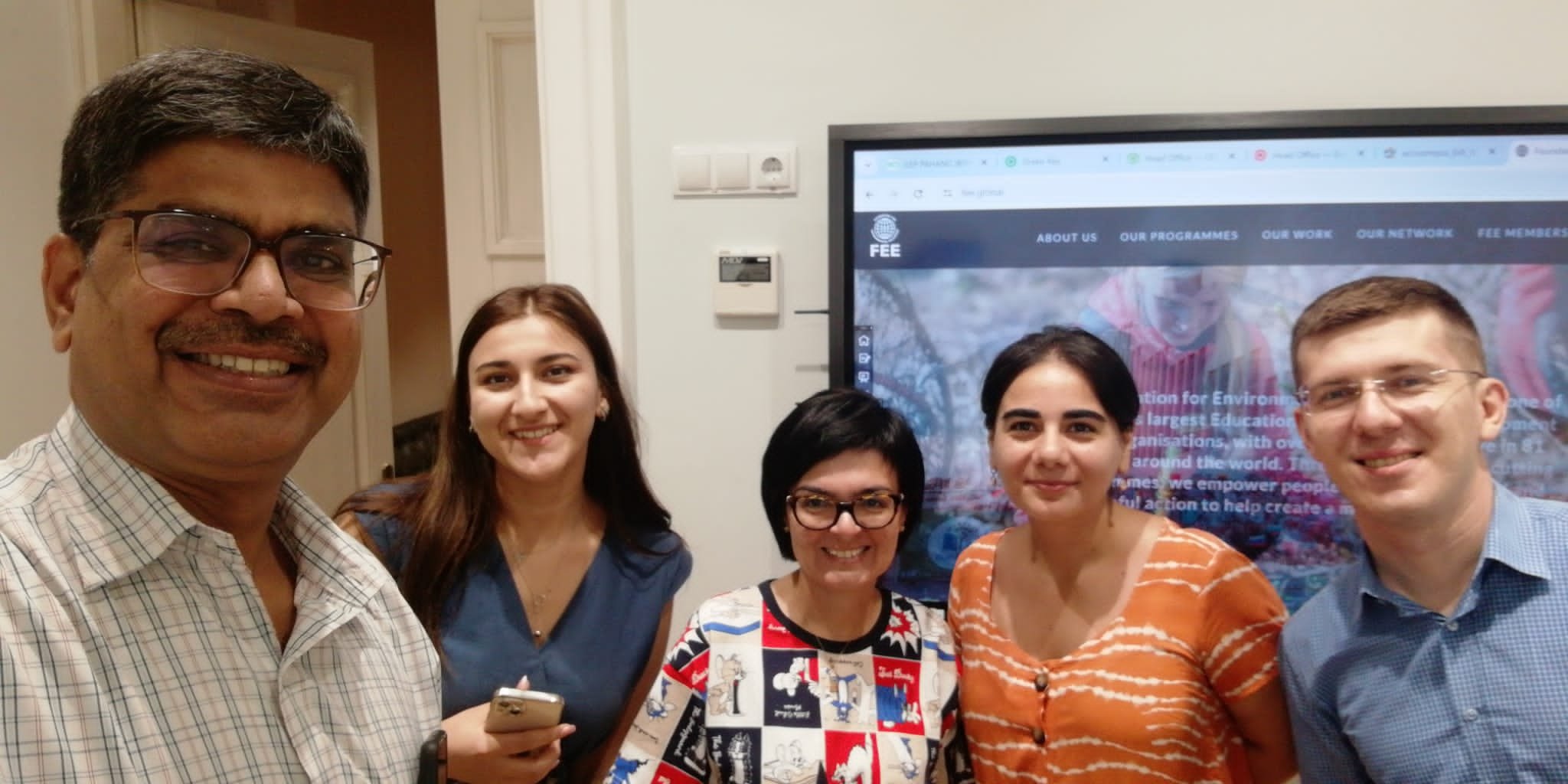
Pramod (FEE Senior Director of Education) with Azerbaijan EkoSfera Team
👉Head over to our Anniversary page to check out how different countries are doing their own celebrations!
New partnership ensures funding for new Eco-School educational materials
Foundation for Environmental Education (FEE) and PPG have announced a two-year collaboration to expand climate education and empower future environmental leaders
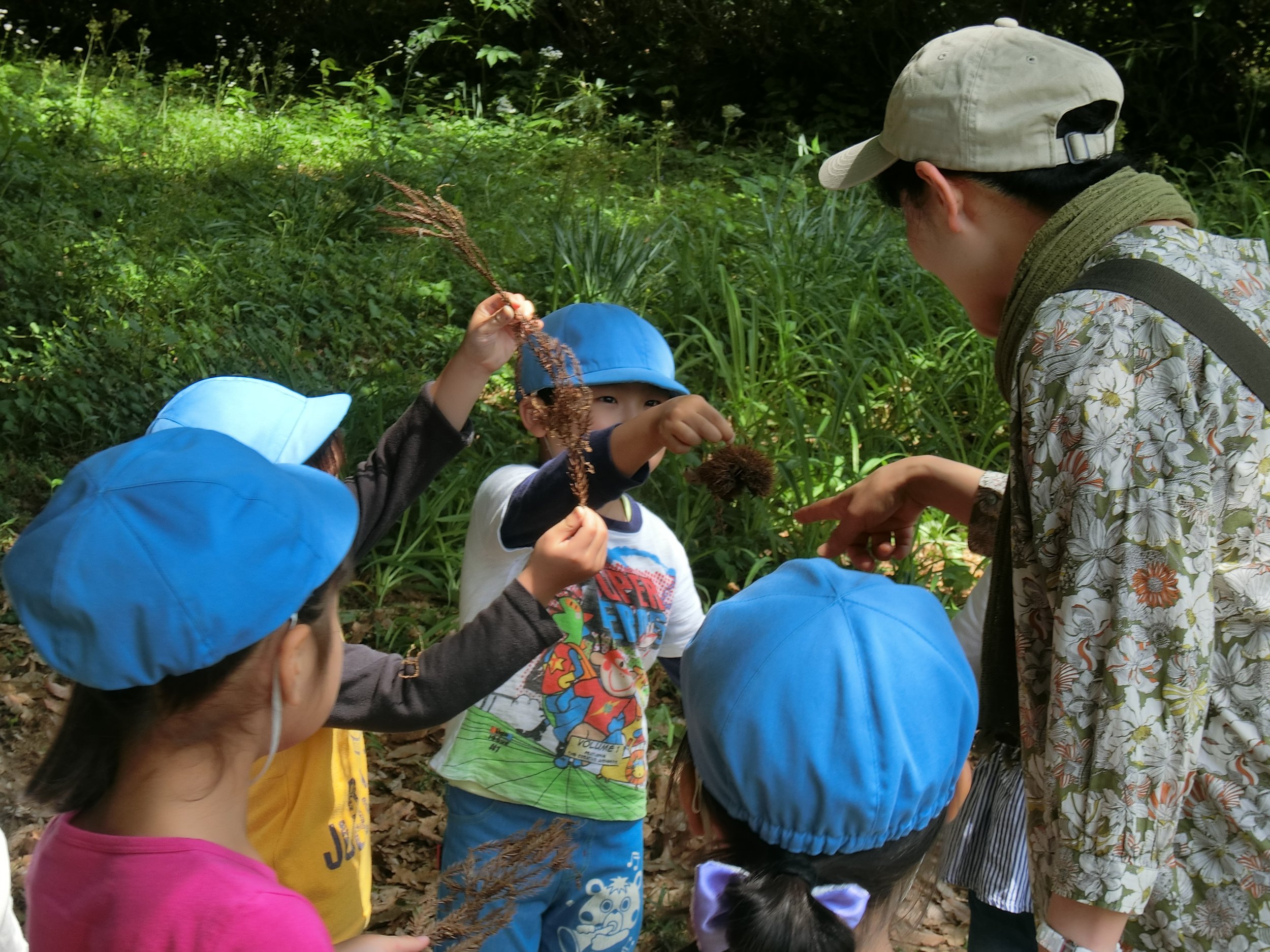

Through this collaboration, PPG (NYSE: PPG) will provide a $150,000 community engagement grant to enhance FEE’s efforts in promoting climate change education as part of UNESCO’s Greening Education Partnership (GEP).
This generous grant from PPG will support FEE’s mission to address the urgent need for climate change education in schools around the world. As part of PPG's broader commitment to invest $5 million in environmental sustainability education by 2030, this partnership will help expand FEE’s reach and impact in classrooms globally.
The funding will facilitate the creation of new educational materials, including Eco-Schools handbooks, instructional videos, online courses, and teacher training materials. These resources will be made available in multiple languages—including English, Chinese, Spanish, Portuguese, and French—to ensure global accessibility and impact.
For more information, read the full press release on FEE’s website.
ISSD NGO launches Eco-Schools programme in Armenia
The Foundation for Environmental Education’s (FEE) member organisation in Armenia, “ISSD” Innovative Solutions for Sustainable Development of Communities” NGO is launching Eco-Schools programme thanks to the financial support of Synopsys, Inc.
On March 28, 2024, ISSD announced the official launch of the programme during its 7th anniversary celebration organized in Yerevan, Armenia, which was attended by the representatives of the government, donor organizations, local and international partners, schools and others. During the official launch, the co-founder of ISSD and the programme manager of Eco-Schools programme Irina Mkrtchyan, presented the programme, its mission and purpose, as well as the benefits the programme will bring to Armenia. As the team starts the establishment and growth of the Eco-Schools Green Flag accreditation programme in Armenia, it has targeted 50 schools in Armavir region and the capital city – Yerevan that will undergo a set of trainings and other activities.
ISSD has also started raising awareness about the programme, and organized an introductory presentation of the programme during the launch of its environmental game, developed in partnership with School #194, during which the programme coordinator presented the benefits of the programme and planned actions for 2024.


The mission of ISSD NGO is to promote sustainable development through innovative projects in waste management, agriculture, education, circular economy, business, and women empowerment. ISSD was established in 2017 and since its operation the organization has implemented over 20 projects across the country serving over 310,000 people and partnering with over 800 organizations and educational institutions. ISSD follows these values in its everyday activities:
Environmental Care: We prioritize preserving Armenia's environment.
Education & Empowerment: We educate and empower for change.
Innovation for Impact: We innovate to solve environmental, social and economic challenges.
Community Collaboration: We unite communities for a bigger impact.
Accountability & Transparency: We're responsible governors of the resources.
Equality & Inclusion: We promote gender equality and inclusion.
Sustainability Focus: We work for long-lasting impact.
ISSD is working in 4 main domains:
· Environment and Agriculture
· Education and Capacity Building
· Financial Facilitation
· Community Development & Citizen participation
Eco-Schools Conference in Prague - Let’s change the climate!
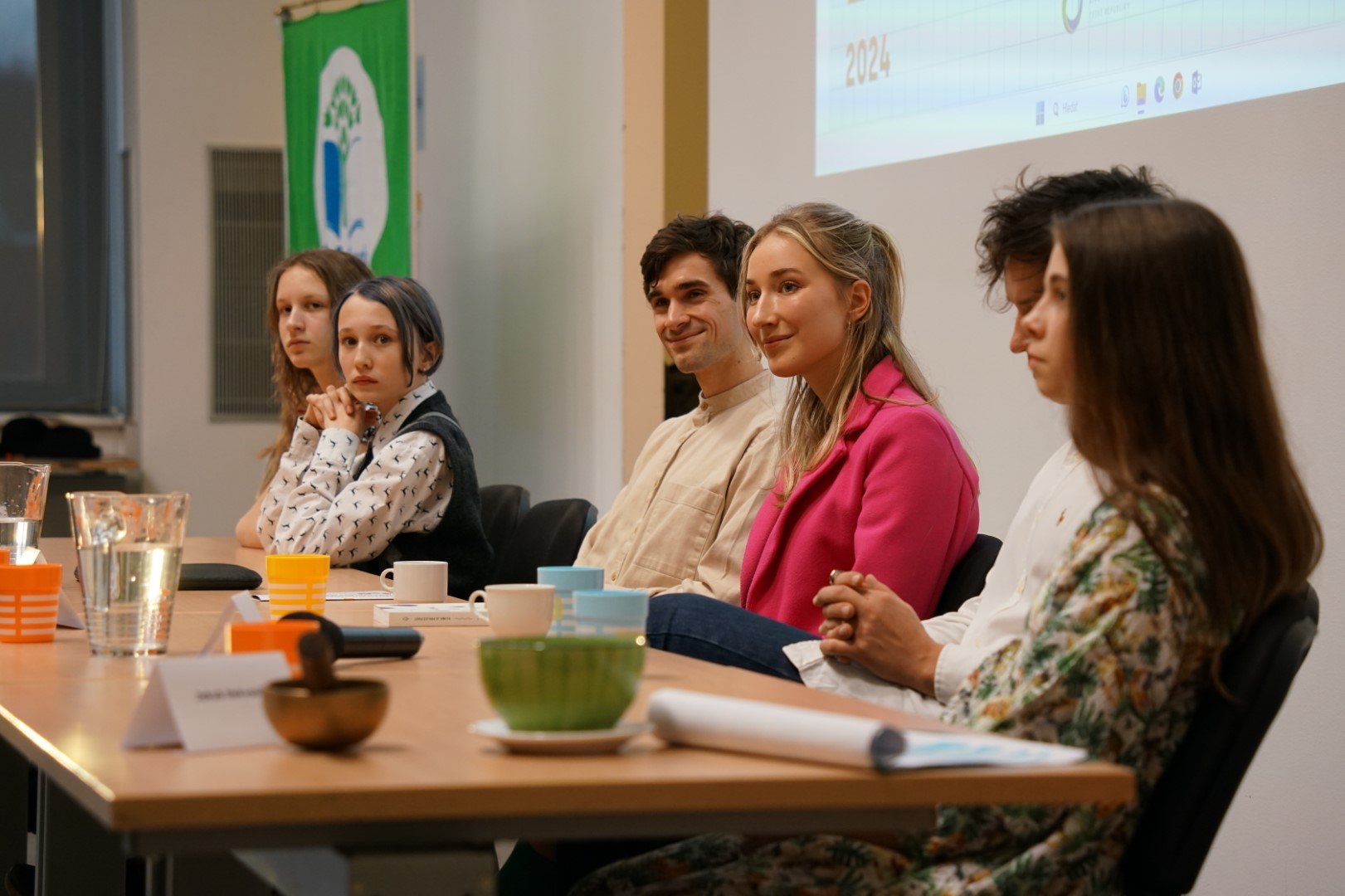
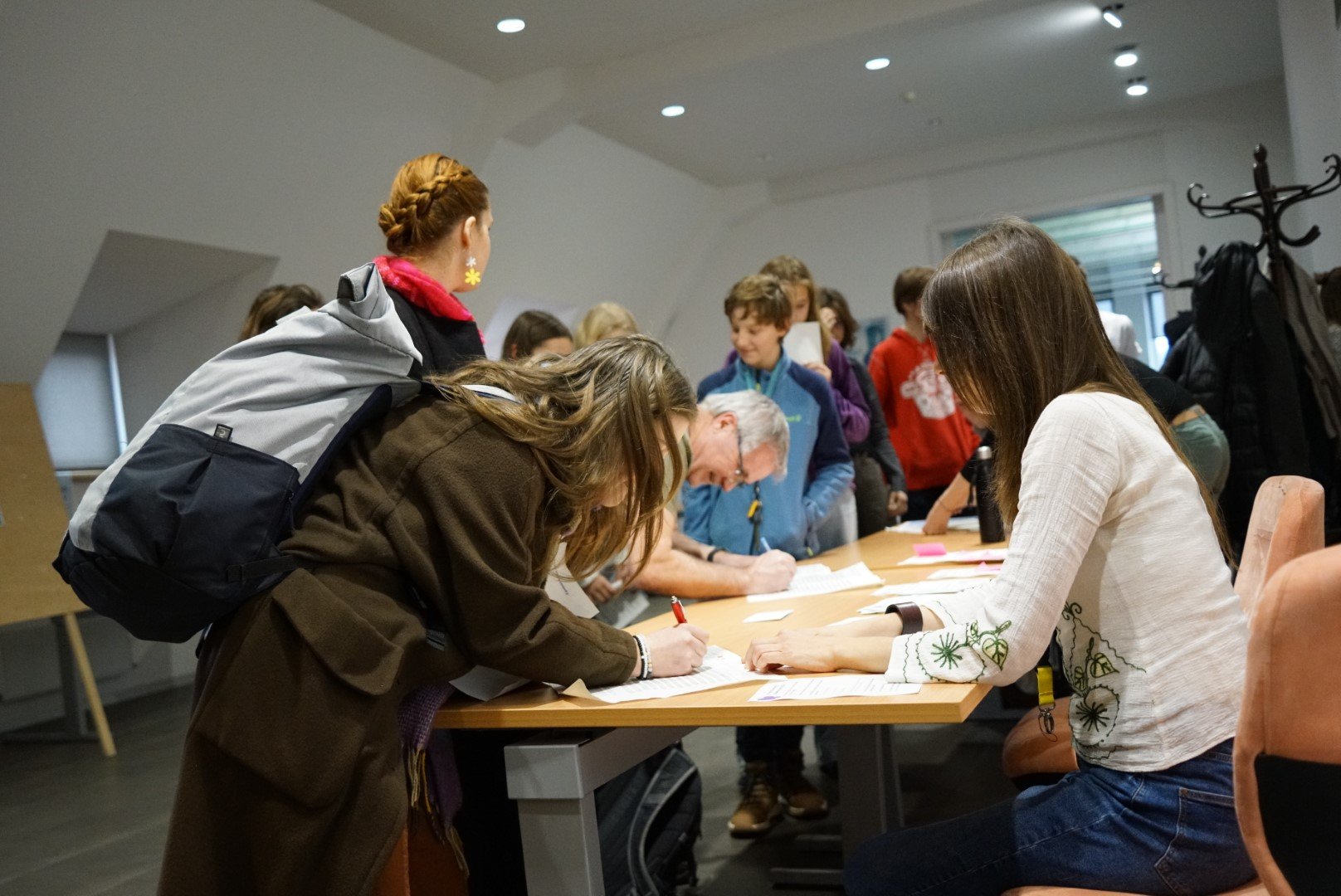
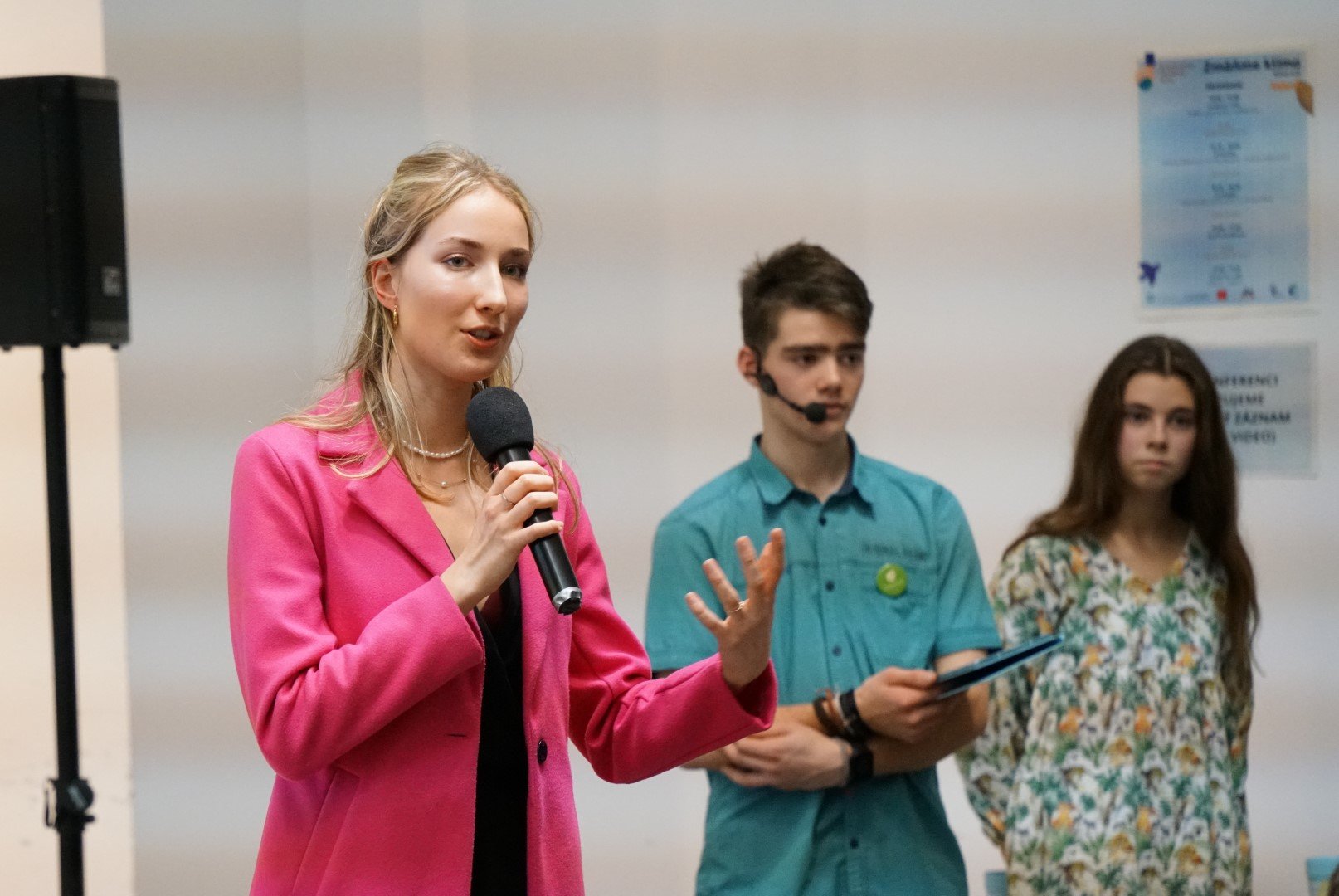
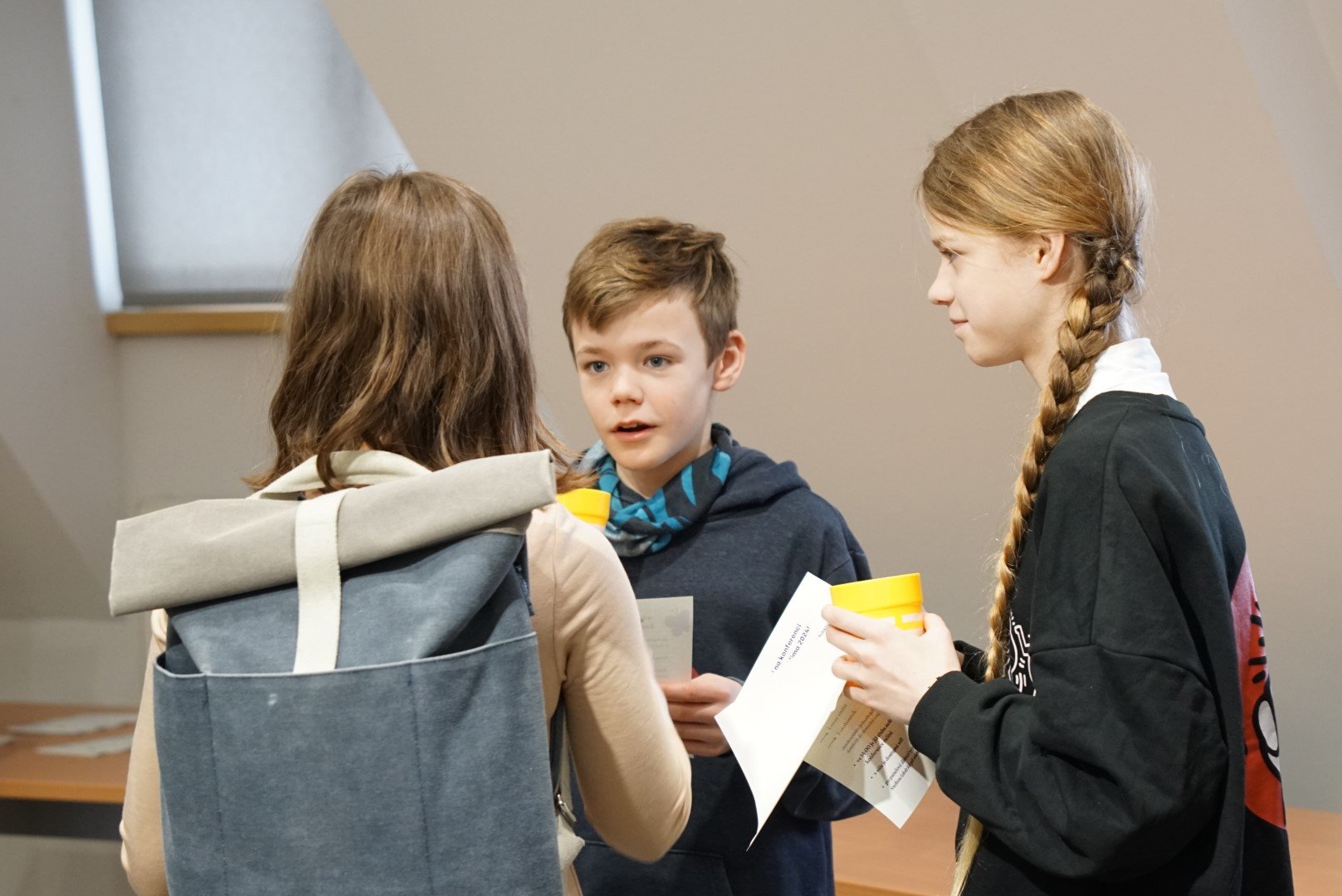
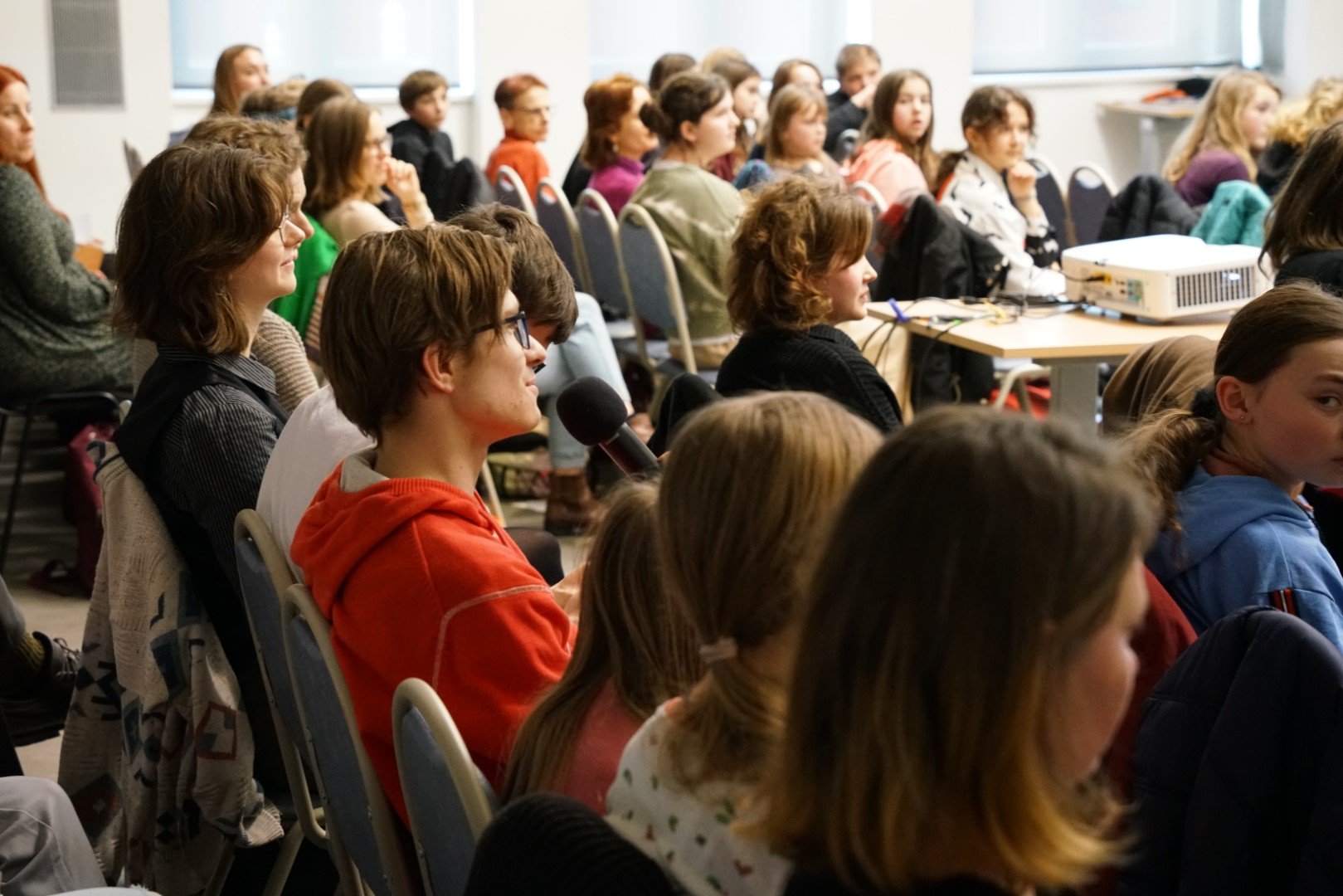
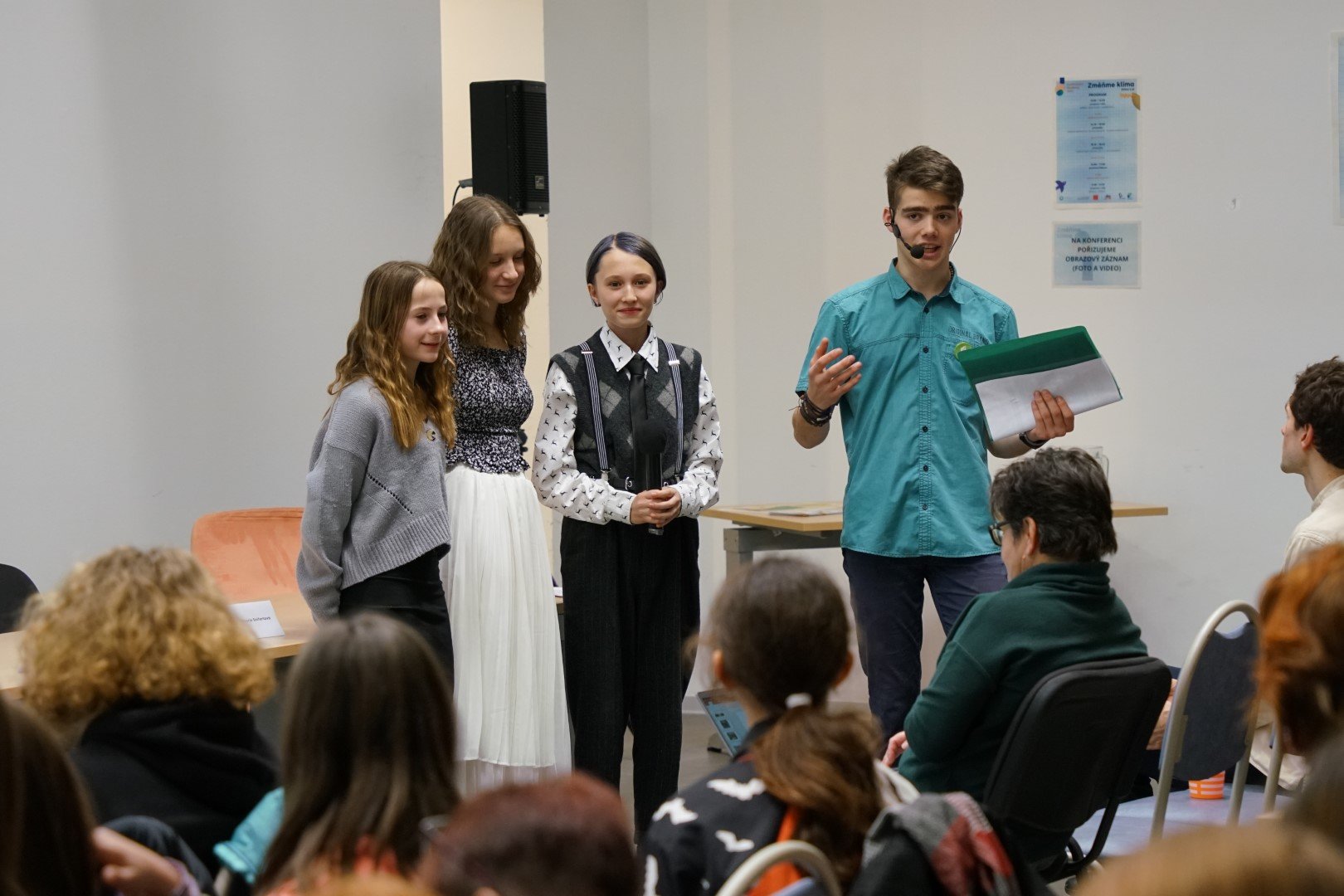
Earlier this year, TEREZA (FEE member in Czech Republic) held their annual Eco-Schools Conference with 100 young people joining in person and even more following online. The conference targeted key shortcomings of traditional education and its approach to climate education.
Six young people each had 8 minutes to explain the things they are doing for the climate, how are they dealing with frustrations, and how they overcome obstacles. This was followed by a interactive panel discussion and participants had lots of opportunity to talk to the speakers and each other during long breaks.
Reflecting on the importance of these kind of youth events, the team at TEREZA highlight that:
“Talking directly to young generations about climate change is valuable: it allows us to transfer respect, validation and information we want to give them. That is why we focused our conference directly on young audiences aged 12–19 instead of teachers. Very soon we realised that this will be done best if young people participate in the organisation as well. Who else will more authentically speak the language of a 19-year-old and be more credible to them, than another teenager?”
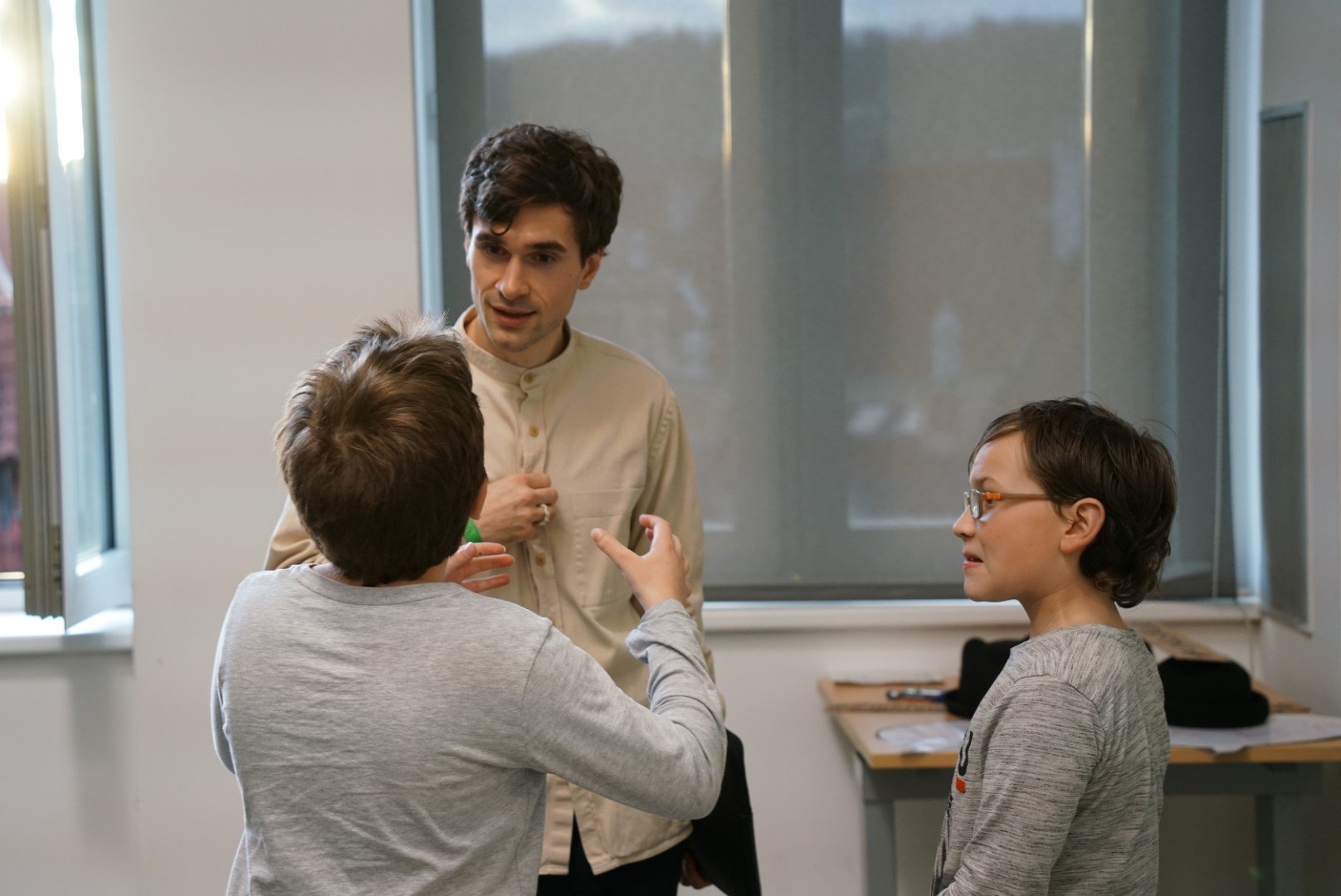
Celebrating the Winners of Eco-School Estonia's International Photo Competition!
In the autumn of 2023, the Estonian EcoSchools programme held an international photo competition. The competition was organised in cooperation with the “Growing with Your Food” project which is part of the activities of the 2024 European Capital of Culture Tartu.
The competition was open to children, youth and adults, and invited people to capture moments in the garden, to show others the magic and the pain of growing food. Individual photos and photo essays from educational and community gardens, as well as home gardens, were welcome. More than 1,100 photos were submitted from Estonia, Latvia, Lithuania, Poland, Slovenia, Spain, Georgia, Montenegro and Wales.
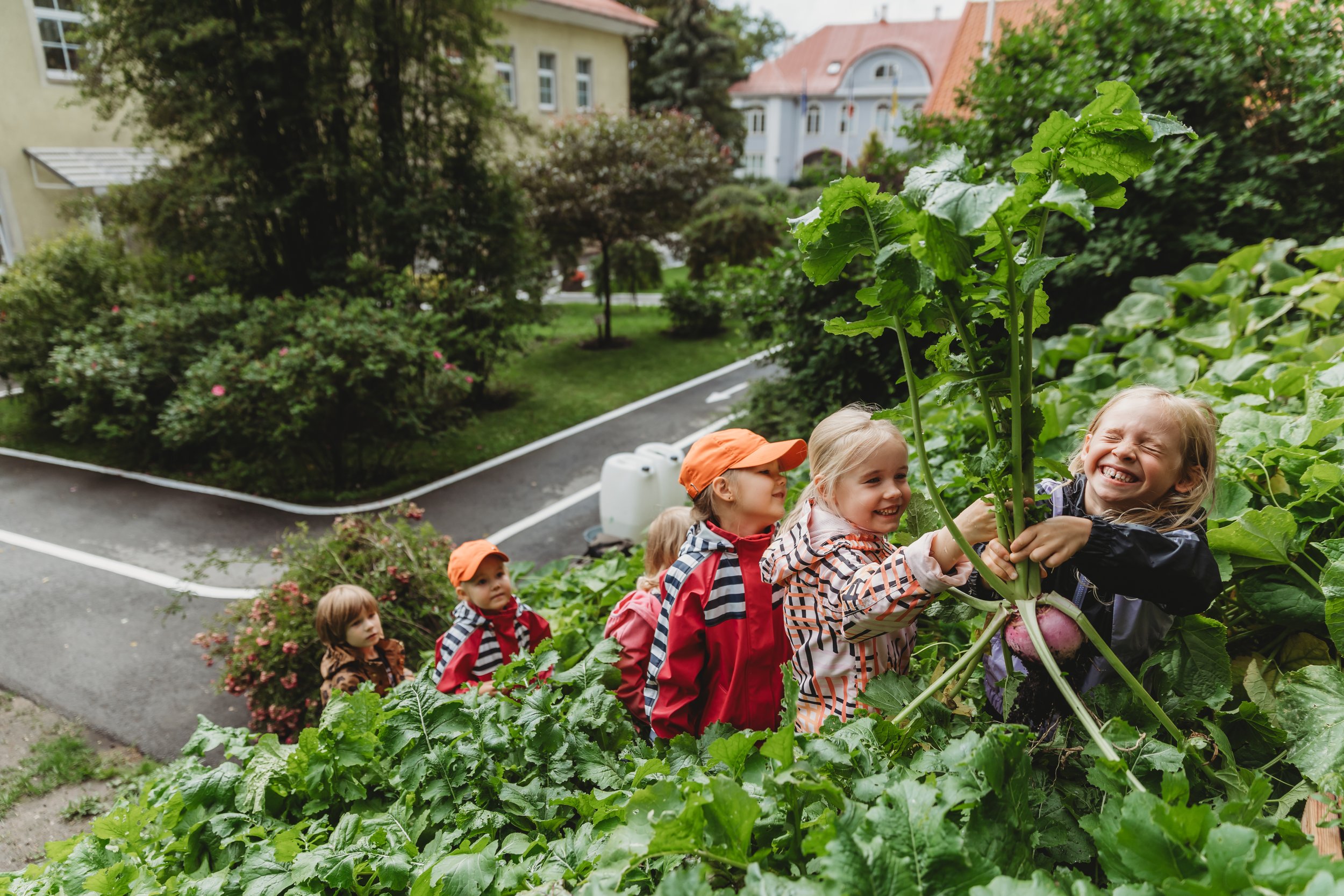
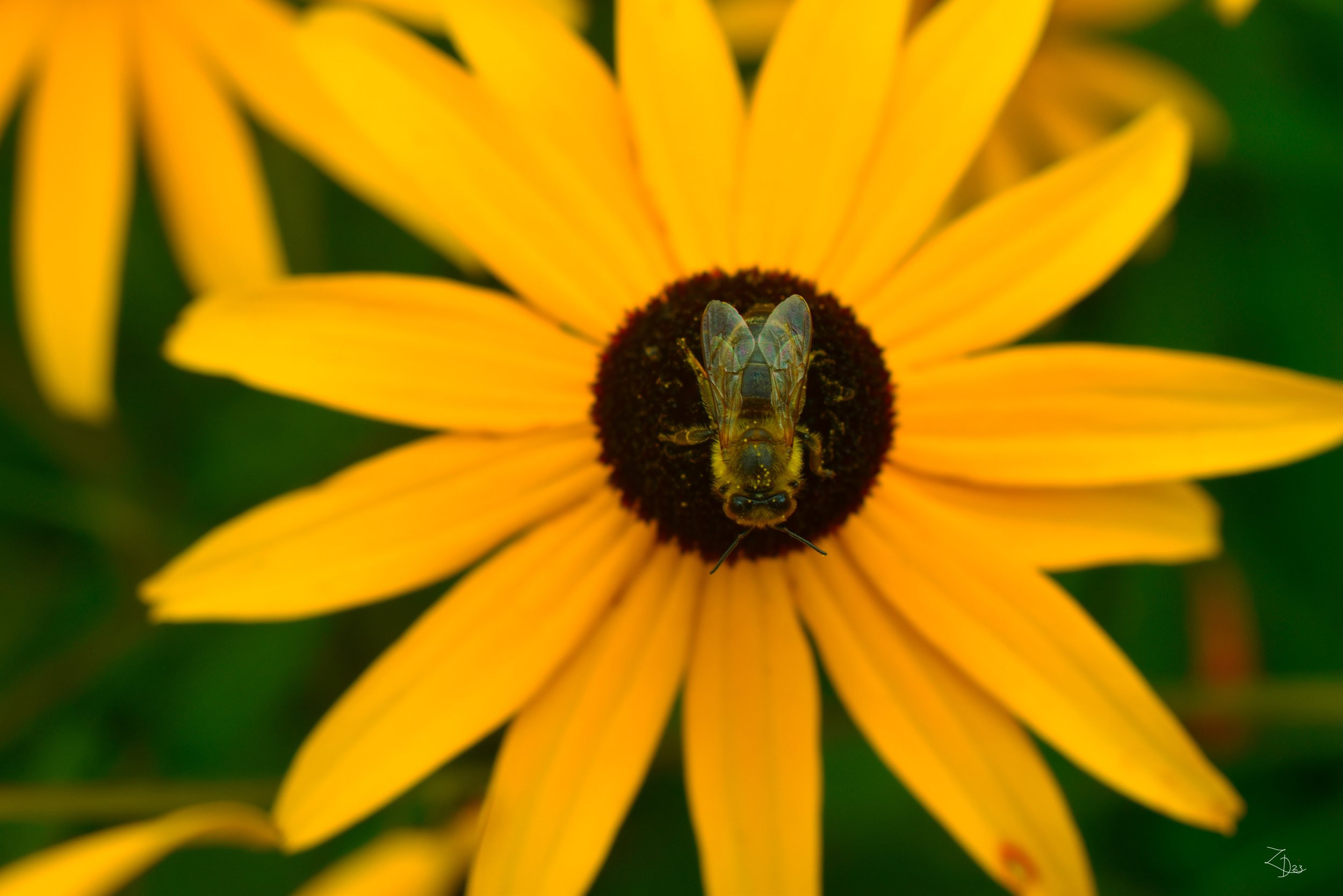

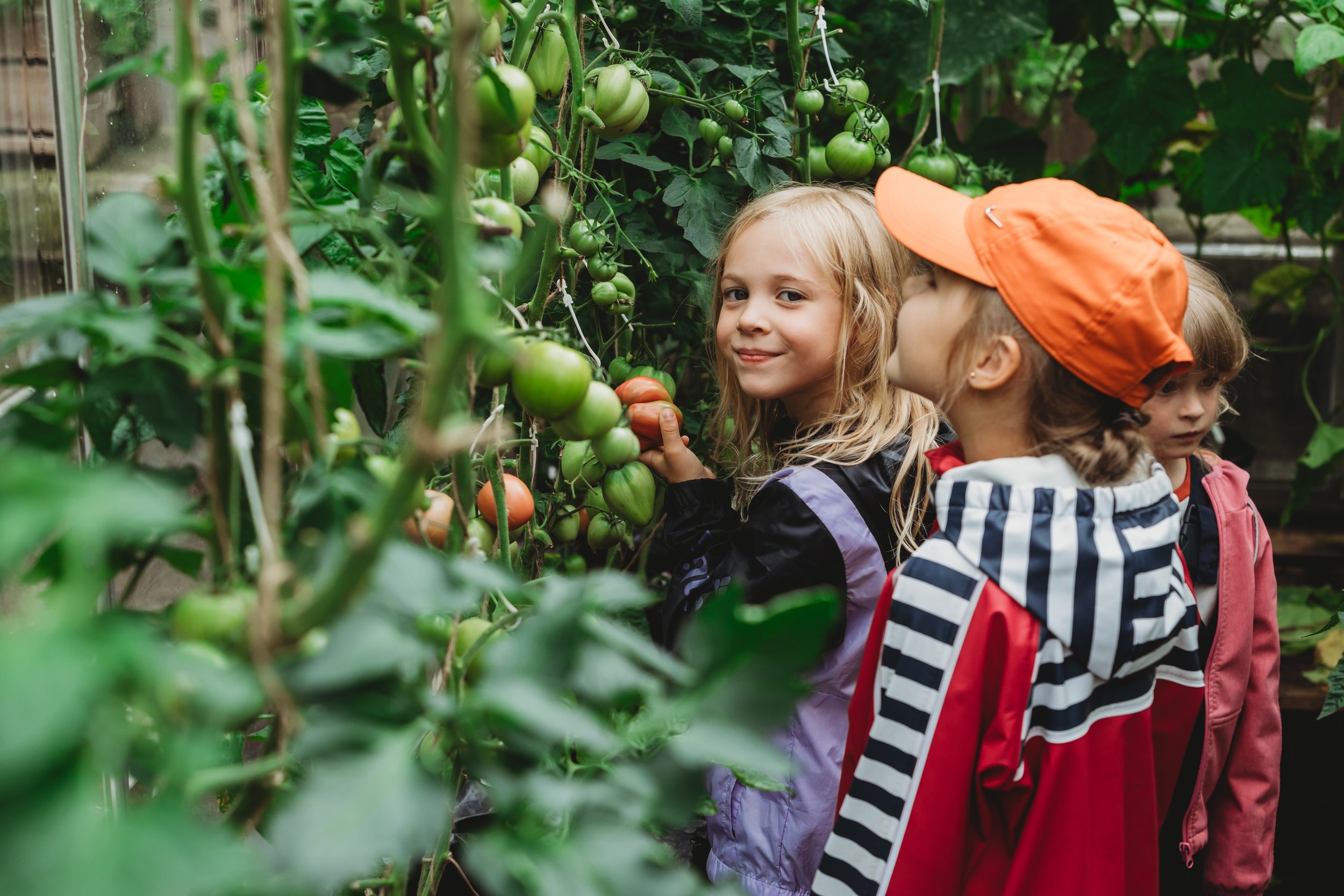
The gallery of the winning photos can be found HERE.
During the project, two guidebooks have also been created for Estonian schools and kindergartens. The first guidebook "From Autumn to Autumn - How to Create a Learning Garden" is a step-by-step guide on practical gardening in all areas, including for example composting. Currently only available in Estonian, we’ve included it here as a source of inspiration. The other guidebook is a methodological collection of gardening games, creative and laboratory tasks and practical materials which to use in a classroom. It can be viewed in Estonian here.
Congratulations to all the winners and this fantastic initiative!
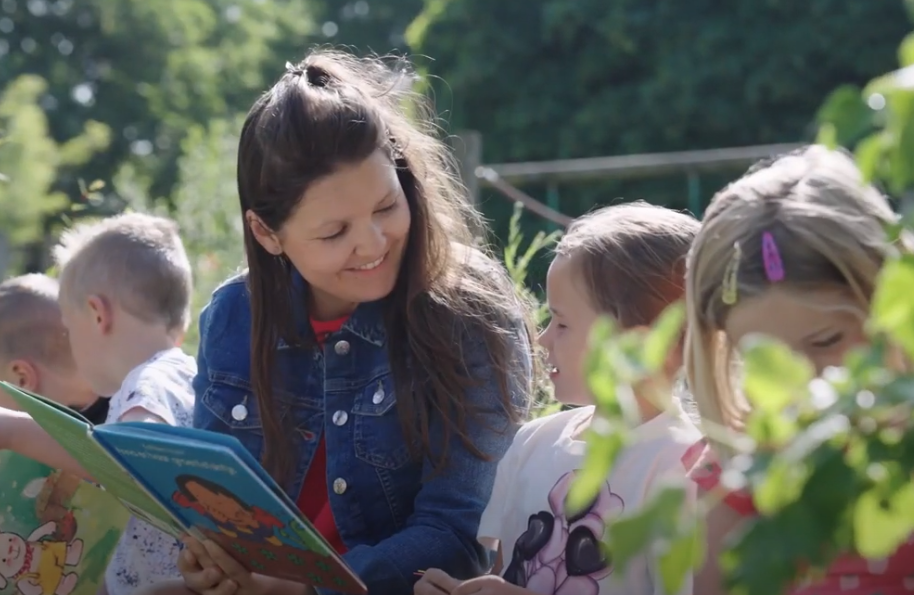
A Green Playground - Naturally!
Check out this inspiring video about greening school grounds by the Provinciaal Natuurcentrum Limburg, a partner of MOS, FEE's member in Flanders, Belgium.
Launching the Second Edition of the FEE Teacher Award!
On Thursday 5th October, we will be opening the FEE Teacher Award application window to educators from across the globe who deliver on our Eco-Schools, EcoCampus, YRE or LEAF programmes.
The FEE Teacher Award is the perfect opportunity for educators to showcase and celebrate on a global platform, the work they are doing to support young people become environmental advocates of the future. We are very keen to see in applications, evidence for how educators are ensuring a lasting impact from the work they deliver on any of our FEE Education Programmes. This could include but not be limited to: positive changes to their school’s sustainable footprint, improved attendance or academic performance of Eco-Committee members or Young Reporters, young people feeling more confident to take part in climate action or even students progressing on to further studies or careers in the sustainability sector.
For details on how you as an educator can submit your FEE Global Teacher Award application, eligibility requirements to apply and the award evaluation process please visit (and share with your network) this link:

Greening STEM and Climate Action through Alcoa Warming-Waste-Water-Watts-Wildlife (Alcoa W5) Project
On August 12th, the world celebrated International Youth Day, with this year’s theme being green skills for youth. A green transition towards a more environmentally sustainable and climate-friendly world is critical, and depends on fostering green skills for everyone, and especially youth. Initiatives like the Alcoa Warming-Waste-Water-Watts-Wildlife (Alcoa W5) project do just that. Wrapping up the fifth phase of the Alcoa W5 project offers an opportunity to reflect on the outcomes and experiences of participating students and teachers.

Students at Liknes Primary School in Norway regularly visited a nearby stream and learned about water quality and pH levels as well as local biodiversity.
Implemented by our local member organisations, the National Wildlife Federation (NWF) and FEE Norway, this phase of the Alcoa W5 project involved a total of 20 schools across the U.S. (New York, Pennsylvania, and Indiana) and Norway. Participating schools focused on the themes of warming (climate change), waste, water, watts (energy), and wildlife (biodiversity). The aim of the Alcoa W5 project has been to support teachers in greening Science, Technology, Engineering and Math (STEM) education by engaging students in nature-based learning. The Seven Steps methodology of our Eco-Schools programme provides the ideal framework to support this type of learning through its student-centred, project-based pedagogy.
This phase of the Alcoa W5 project saw students of all ages involved in green STEM projects across all five W’s. High school students in Indiana tackled waste by developing a recycling strategy for their school that kept 30 bags of plastic bottles out of landfills, while preschoolers in Norway built birdboxes especially for the smaller, native bird species around their school. Students in New York organised an Energy Patrol contest to reduce their school’s energy consumption through heating and lighting. In Norway, students visited their local stream and learned not only about testing water quality and pH levels, but also about the flourishing biodiversity in their own backyard. A common outcome throughout all the Alcoa W5 projects was not just that students learned more about environmental issues, but that their attitudes and behaviours towards these issues changed as well.

Students from the Environmental Charter School in Pittsburgh, PA planted native pollinator species in their school garden.
“Over the past year, the Alcoa W5 project has served to support both teachers and students in exploring issues of sustainability and making connections to the U.N. Sustainable Development Goals (SDG”s). This collaboration with the Alcoa Foundation, FEE and NWF has provided schools on a global level to engage in environment-based education that has led to student-led, solution-based actions at their schools and in their communities. This year in the U.S., schools in Massena, NY, Pittsburgh, PA and Newburg, IN addressed issues such as stormwater runoff, gardening for climate action and developing habitat to support biodiversity. It is always wonderful to see how this type of learning can create engaged and inspired learners,” stated Elizabeth Soper, NWF Senior Director of K-12 Education.
The impact of the Alcoa W5 projects goes beyond students, supporting teachers by providing critical resources and funding to facilitate their students’ learning both in and outside of the classroom.
Daniel Schaffer, CEO of the Foundation for Environmental Education’s CEO shared that, “The Alcoa W5 project has been a fantastic initiative that has supported hundreds of students and teachers in engaging with STEM education through an environmental lens within the holistic, project-based framework of the Eco-Schools programme. It’s incredibly rewarding to hear from teachers about how enthusiastic students are about learning and their environment when they get the chance to develop and lead their own projects.”

Students participating in an experiment at Jefferson Elementary School.

Teachers participating in a ESD workshop in Norway.
Key to the Eco-Schools programme and an important element of Education for Sustainable Development is also the engagement of the wider community to ensure long-term sustainable action. This year’s Alcoa W5 projects illustrate just that, showcasing how the environmental efforts of students and teachers are able to achieve an even greate impact with the support of community members; families, businesses, nonprofits, and volunteers.
As Marit Kjellesvik of FEE Norway said, “We see enormous value in participation of another cycle of the Alcoa W5 project. FEE Norway has been a partner in the project since 2016, and with support from Alcoa Foundation thousands of students and teachers have been supported and facilitated in interdisciplinary work with education of environmental sustainability. It has been fantastic to follow students of all ages in Farsund and Mosjøen with forward-looking approaches to highly current and very important sustainability themes. Skilled teachers have given students inspiration and room for exploration and investigation. With a high degree of student activity and collaboration with local partners, the project has contributed to creating innovation at the school and far beyond its borders. The project has made visible for the whole community the importance of education for environmental sustainability and that everyone can contribute to make a difference.”
The W5 project would not have been possible without the support of Alcoa Foundation.
“Alcoa Foundation has proudly supported the Alcoa W5 project since its inception in 2016. In addition to preparing kids globally for new STEM jobs, it has been rewarding to see how the program has contributed to an improved understanding of the world around them and inspired students and educators to be stewards in their own communities. We thank our partners from carrying out this impactful initiative.” Kayla Branch, Program Development & Communications Manager, Alcoa Foundation.

Students at Vanse Primary School in Norway sharing their work with Farsund's mayor.

Turtle Creek Elementary STEAM Academy participated in the Unwrap the Waves candy wrapper recycling program in partnership with the Loggerhead Marine Science Center.
About Alcoa Foundation: Alcoa Foundation invests where Alcoa has a presence, partnering with communities to address local needs in a sustainable manner. With our nonprofit partners, we contribute to programs that protect and preserve the environment and promote equitable access to education and skills-building opportunities. https://www.alcoa.com/foundation/en
About the Foundation for Environmental Education and the Eco-Schools Programme: Established in 1981, the Foundation for Environmental Education (FEE) is one of the world's largest environmental education organisations, with over 100 member organisations in 81 countries. The internationally recognized Eco-Schools programme developed by the Foundation for Environmental Education (FEE) engages young people in quality environmental education and meaningful action. Through a simple, seven-step framework, pupils are empowered and motivated to drive change and improve environmental awareness in their school, local community and beyond. www.fee.global | www.ecoschools.global
Green Flag for Terra Moyo International School, Kenya
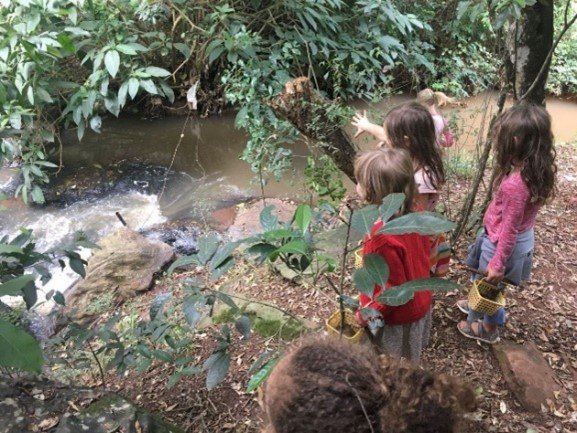
We are honored to share that Terra Moyo International School has become the newest school in Kenya to be awarded the prestigious Green Flag! Sustainability initiatives form part of the school’s soul, with the name ‘Terra’ derived from Latin to mean ‘earth’ and ‘Moyo’ is a Swahili word meaning ‘heart’.
The school’s main focus is on biodiversity protection and reducing pollution. Situated next to the famous Karura forest (one of the main legacies of Africa’s first female Nobel Prize winner Wangari Maathai), the school radiates hope and a vision of hope that sees students walking in the footsteps of one of the greatest environmentalists of our time.
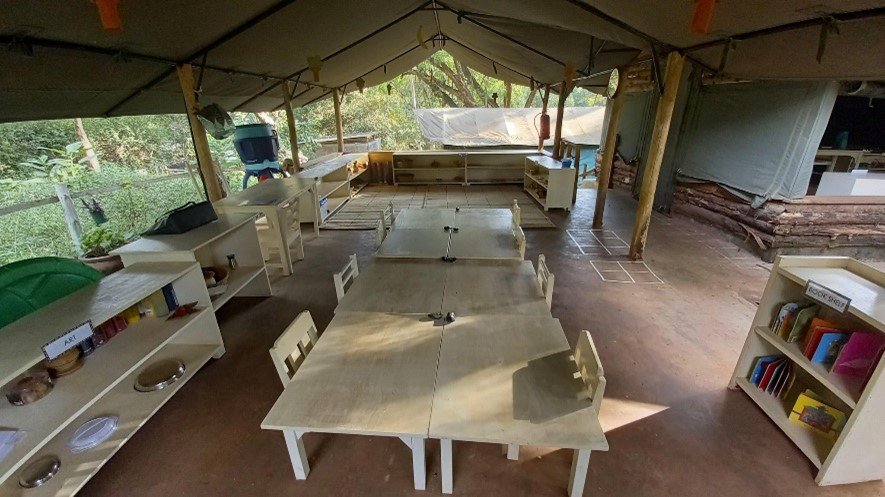
The school buildings themselves are not permanently constructed and outdoor walking pathways have not been paved, all ensuring minimum disturbance to the soil and living organisms. Classrooms have large open windows to maximize the use of natural light and allow students to experience biodiversity and the nearby forests from inside their classrooms.
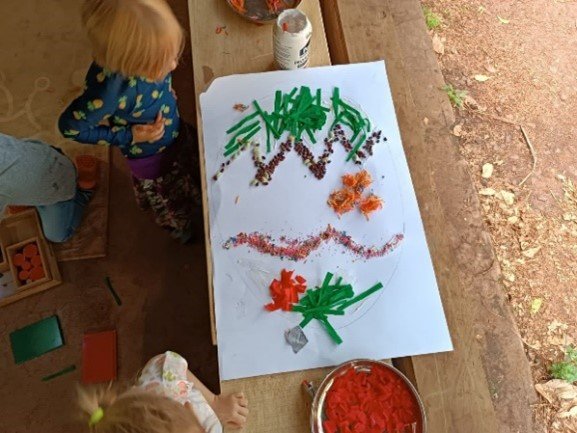
Terra Moyo International School embraces both creativity and community in their environmental initiatives, contributing to acquisition of their Green Flag. One such initiative is their unique alternative to regular paint! To keep the students’ creativity flowing and the school’s waste to a minimum, local restaurants supply the school with flowers, from which the students and teachers squeeze out color to use for painting. Making the most of the nearby Karura Forest, the school also has a partnership with the Kenya Forest Service, giving each class the opportunity to spend one lesson in the forest, allowing the students to find meaning in the beauty of forest ecosystems and in the need for their conservation.
Congratulations to Terra Moyo International School on receiving the Green Flag!
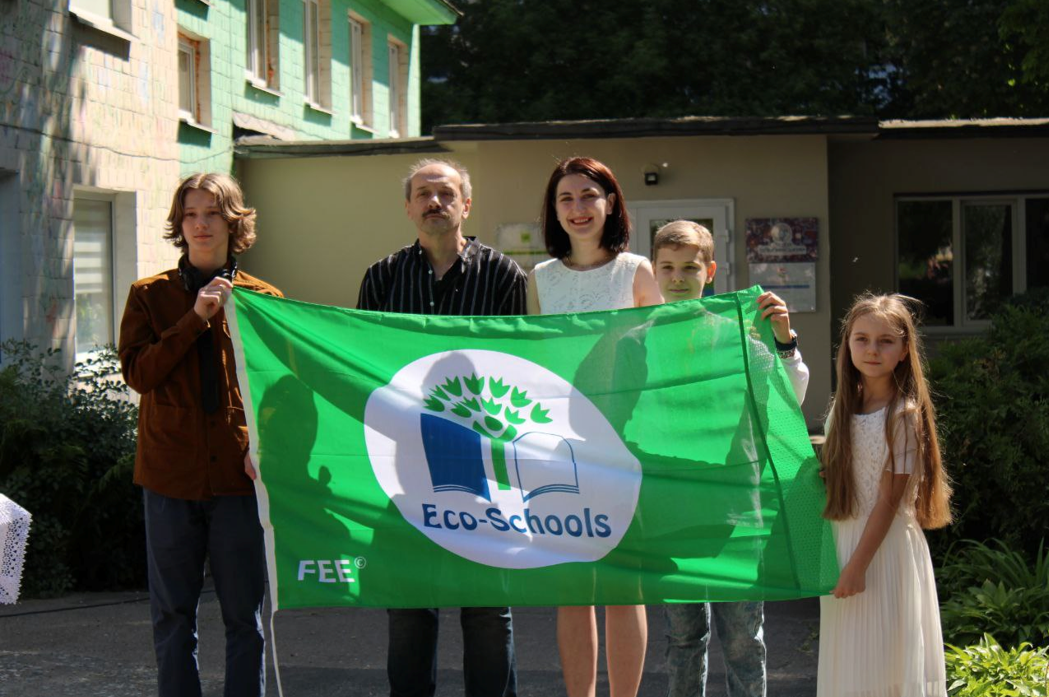
Green Flag for Olginskyj Lyceum (Ukraine)
There is hope even in the darkest time
It has been a challenging school year for Ukrainian schools. Air-ride sirens, missile strikes, drones, and electricity cuts have interrupted everyday life and study processes in the country. It has now become almost normal for students and their teachers to have lessons taking place in shelters, or to run to a shelter during the day. However, it was essential to show the light at the end of the tunnel, which is why Olginskyj Lyceum and Kindergarten “Rozumka” worked hard to implement projects related to a better future. The implementation of the Eco-Schools programme became one of such positive outlook projects. Well-deservedly, on the 2nd of June, 2023, Olginskyj Lyceum received a Green Flag from the Ukrainian Eco-Schools Programme National Operator, Modest Aleyev, as a recognition of their inspiring achievements.
During the year, the members of the Eco-Committee did their best to involve their whole school in biodiversity protection activities, recycling waste, and other important activities related to the Eco-Schools programme. Teachers of Olginskyj Lyceum’s Gymnasium A+ and Primary School A+ were among the first teachers to re-establish the study process in severe conditions a year ago and re-started the Eco-Schools programme this school year. Additionally, Kindergarten “Rozumka” is successfully developing biodiversity, health, and well-being themes at their school. Gymnasium A+, Primary school A+, and Kindergarten “Rozumka” are in the final stages of their Green Flag award application.
Celebrating Environmental Educators with the FEE Teacher Award!
Monday, 5th June: On the occasion of World Environmental Day, we are proud to highlight the amazing work of teachers from our global educational network and promote their excellent contribution to sustainable education.

The first-ever call for the FEE Teachers’ Award was opened in 2022, so we are incredibly excited to be announcing the winners today!
The FEE Teachers’ Award highlights teachers who have been engaged in the Eco-Schools, Learning about Forests (LEAF) or Young Reporters for the Environment (YRE) programmes for five or more years and whose institution has been awarded a Green Flag Award, a LEAF Award or has produced a finalist/winner for a national YRE competition.
The selected teachers exemplify excellence in environmental education and commitment to our young people and planet. We are sincerely grateful for the energy they continuously dedicate to empowering the next generation to tackle the world’s environmental challenges and hope they serve to inspire others in doing the same.
We are proud to announce the following winners of the 2022 FEE Teachers’ Award:
Andrea Tláskalová - Š J. V. Sládka Zbiroh (CZECHIA)
Bindu Chona - Nand Vidya Niketan Jamnagar (INDIA)
Draženka Kolonić - 1 st Primary School Varaždin (I.Osnovna Škola Varaždin) (CROATIA)
Inés Nancy Acolt Ariano - Colegio Contadero (MÉXICO)
Kate Doyle - Everton Nursery School (ENGLAND)
Liliana Zepeda - Colegio Contandero (MÉXICO)
Ľubica Noščáková - Narnia Church Elementary and Middle School (SLOVAKIA)
Maria Manuela Moura dos Santos Costa - Escola Cidade de Castelo Branco /Agrupamento Nuno Álvares (PORTUGAL)
Marianthi Giannakopoulou - Athens College Elementary School (GREECE)
María Olivia Pérez Esquivel - Colegio Contadero (MÉXICO)
Monica Murphy - Presentation Secondary School, Castleisland (IRELAND)
Nuray Eran Türedi - Captain Altay Altuğ Kızılay Kindergarten (TÜRKIYE)
Özge Karaevli - Şehit Öğretmen Nuriye Ak Kindergarten (TÜRKIYE)
Poonam Tiwari - Nand Vidya Niketan - Jamnagar (INDIA)
Saziye Bekdogdu - Narlıdere Kilicaslan Secondary School (TÜRKIYE)
Sibel Ünlü - Private Akdeniz Birey Secondary School (2017-2022) Private Akev Secondary School (present) (TÜRKIYE)
Victor Moreira Martins - Agrupamento de Escolas Andre Soares (PORTUGAL)
Congratulations to all the incredible teachers making a difference every day!
Video from awarded teacher Ľubica Noščáková - Narnia Church Elementary and Middle School (SLOVAKIA)