What is Eco-Schools?

Eco-Schools Czech Republic (2025)
An Eco-School does more than run environmental projects. It is committed to continuous improvement - embedding sustainability into learning, decision-making and daily life, shaping one of the world’s largest Education for Sustainable Development networks, involving over 54,000 schools as of 2026.
Across classrooms, campuses and communities, Eco-Schools empower young people to lead meaningful change. Students identify and explore key priorities, design solutions and take action; transforming their schools into living laboratories for sustainability.
From small rural schools to large urban campuses, in countries across the world, Eco-Schools are proving that education can be a powerful driver of environmental and social progress.
A tailorable programme for continuous change
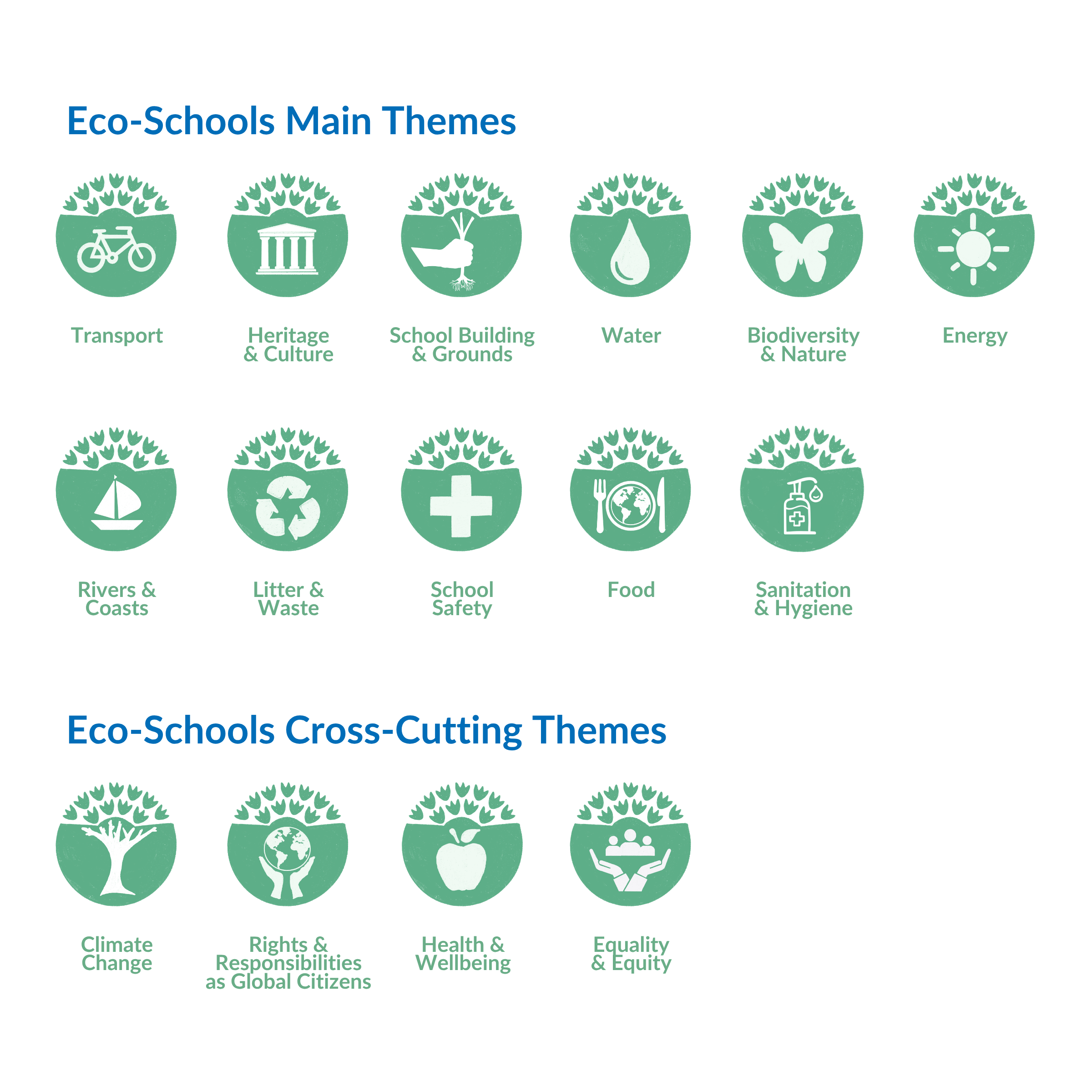
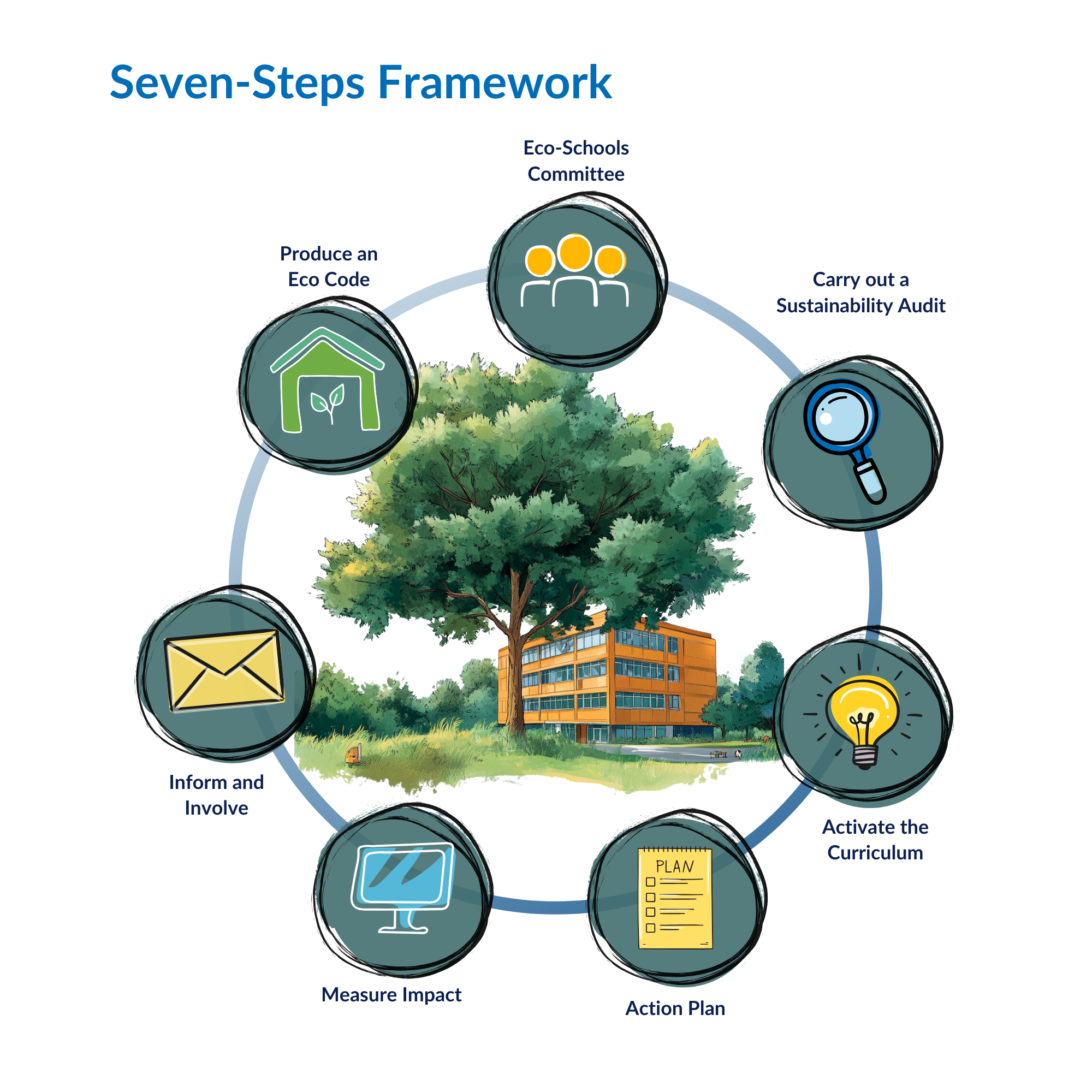
Each school adapts the programme to its local context, culture and priorities through the following:
This structure makes meaningful change accessible - while allowing innovation at the local level.
A Whole-School, Whole-Community approach
Eco-Schools succeed because they involve everyone.
Students, teachers, school leaders, families, local authorities, and community partners work together. This participatory approach ensures that sustainability becomes embedded in school culture, not confined to a single classroom or subject.

Eco-Schools Tanzania (2025)
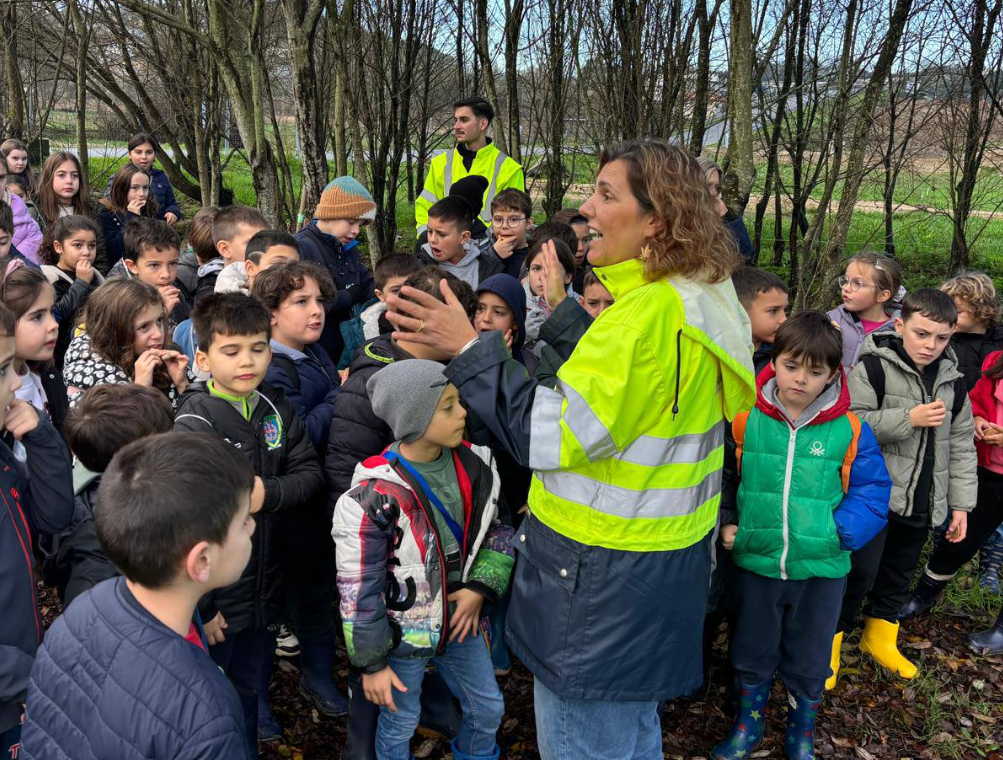
Eco-Schools Portugal (2026)
The Green Flag: A Recognition of whole-school Commitment

Eco-Schools Morocco (2025)
The Eco-Schools Green Flag is awarded by the Foundation for Environmental Education (FEE) in recognition of successful implementation of the Seven Steps framework. It recognises learner participation, curriculum integration, governance, action, community engagement and continuous improvement.