Our Global Projects
Since 1994, Eco-Schools has partnered with organisations around the world to deliver projects that empower schools, support educators and inspire young people to take action for sustainability. Explore some of the initiatives that have helped strengthen the programme, foster international collaboration and create lasting impact across the global Eco-Schools network.
Projects over the years
Alcoa W5 Project
The Alcoa W5 (Warming, Waste, Water, Watts & Wildlife) project was a global Green STEM initiative made possible through the support of Alcoa Foundation. From 2016 to 2023, the project empowered thousands of students and teachers to tackle real-world environmental challenges through hands-on learning in climate change, biodiversity, water, waste and energy. Using the Eco-Schools Seven Steps framework, schools developed practical sustainability solutions while strengthening environmental literacy, STEM skills and community engagement. Learn more about the project and its impact.
Litter Less Campaign
The Litter Less Campaign was a global environmental education initiative delivered by the Foundation for Environmental Education (FEE) in partnership with the Mars Wrigley Foundation. Running from 2011 to 2024, the campaign empowered more than 7.4 million children and young people across 35 countries to tackle litter and waste through hands-on learning, community action and environmental leadership. Implemented through the Eco-Schools and Young Reporters for the Environment (YRE) programmes, the campaign inspired lasting behaviour change and promoted more sustainable consumption and circular economy thinking. Learn more about the campaign and its impact.
ClimACT
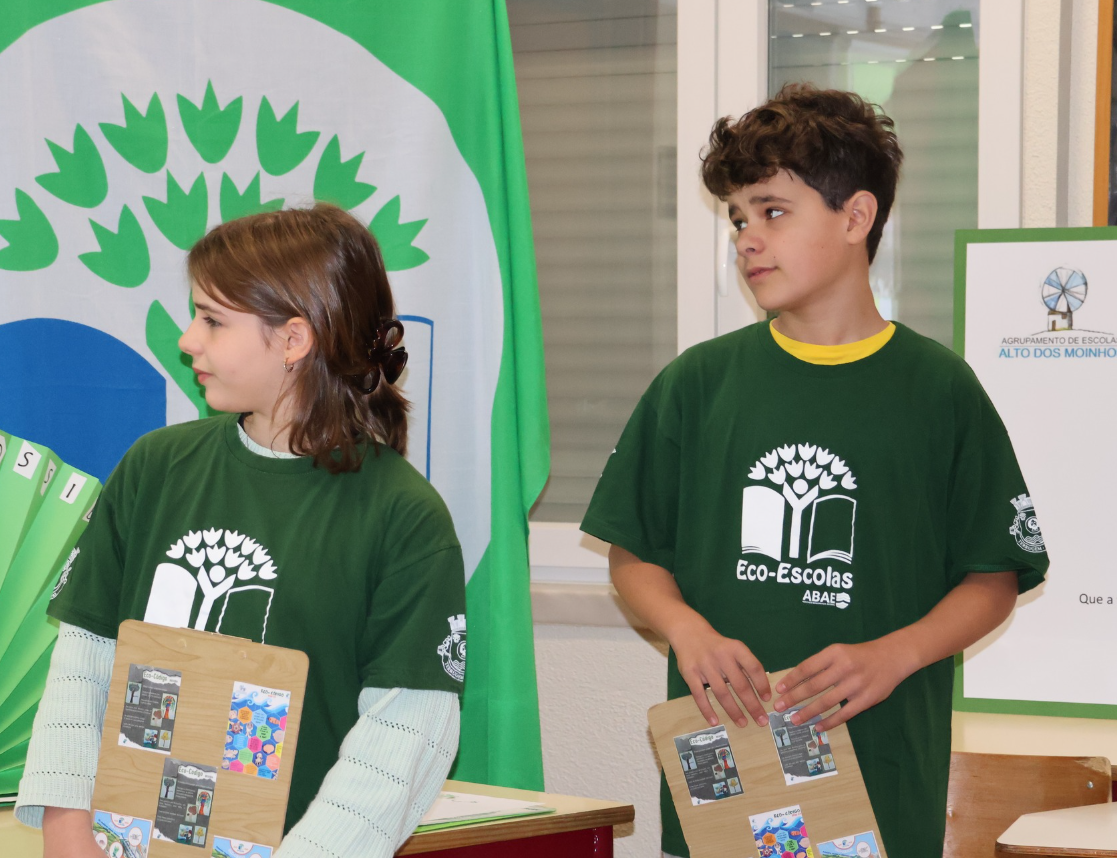
ClimACT (2016–2019) was a European Union-funded project under the Interreg Sudoe Programme, co-financed by the European Regional Development Fund (ERDF). Bringing together partners from Portugal, Spain, France and Gibraltar, the project supported schools in their transition to a low-carbon economy by developing innovative tools, educational resources and energy management strategies. Through 35 pilot schools, ClimACT empowered students, teachers and school communities to reduce their environmental impact while strengthening climate literacy and sustainable practices. Learn more about the project and its outcomes.

The Great Plant Hunt
The Great Plant Hunt (2015–2018) was an international biodiversity education project delivered by the Foundation for Environmental Education (FEE) in partnership with Toyota Motor Europe, with educational resources developed by the Royal Botanic Gardens, Kew. Through hands-on investigations of local plants and wildlife, primary school students explored biodiversity, mapped habitats and took action to enhance nature around their schools. The project strengthened scientific enquiry, environmental literacy and student-led action while inspiring the next generation of plant champions. Learn more about the project and its impact.
Earth Action Hub
Earth Action Hub was a youth-led global initiative launched by FEE in 2021 to inspire climate action through connection, collaboration and learning. The project brought together people of all ages for a three-day virtual event featuring talks, workshops and discussions led by young people, educators and sustainability experts from around the world. Designed by an international youth organising committee, Earth Action Hub showcased practical climate solutions and empowered participants with the knowledge, skills and hope to take meaningful environmental action in their own communities.


Trash Hack Campaign
The Trash Hack Campaign was a global educational initiative delivered by the Foundation for Environmental Education (FEE) in partnership with UNESCO Associated Schools Network (ASPnet). Running from 2020 to 2021, the campaign empowered young people to tackle waste through simple, creative actions in their homes, schools and communities. Participants explored waste issues through action-based learning, shared their own "Trash Hacks" with a global audience, and inspired others to adopt more sustainable habits, demonstrating how small local actions can contribute to global change.
Children for Children
In November 2019, the Foundation for Environmental Education (FEE) launched the Children for Children campaign to support the recovery of Eco-Schools in The Bahamas after the destruction caused by Hurricane Dorian. It was estimated that 70,000 people (20% of the population in The Bahamas) were impacted by Dorian, amongst them more than 18,000 children. Twelve Eco-Schools were destroyed and some of the teachers lost their lives.
FEE, through its five programmes and global network, was in a position to not only mobilise support for the recovery of the Eco-Schools, but to educate, increase awareness, and shift the mindsets in children, youth and adults with regard to mitigating the effects of climate change and the increasing strength and frequency of natural disasters.
We Eat Responsibly
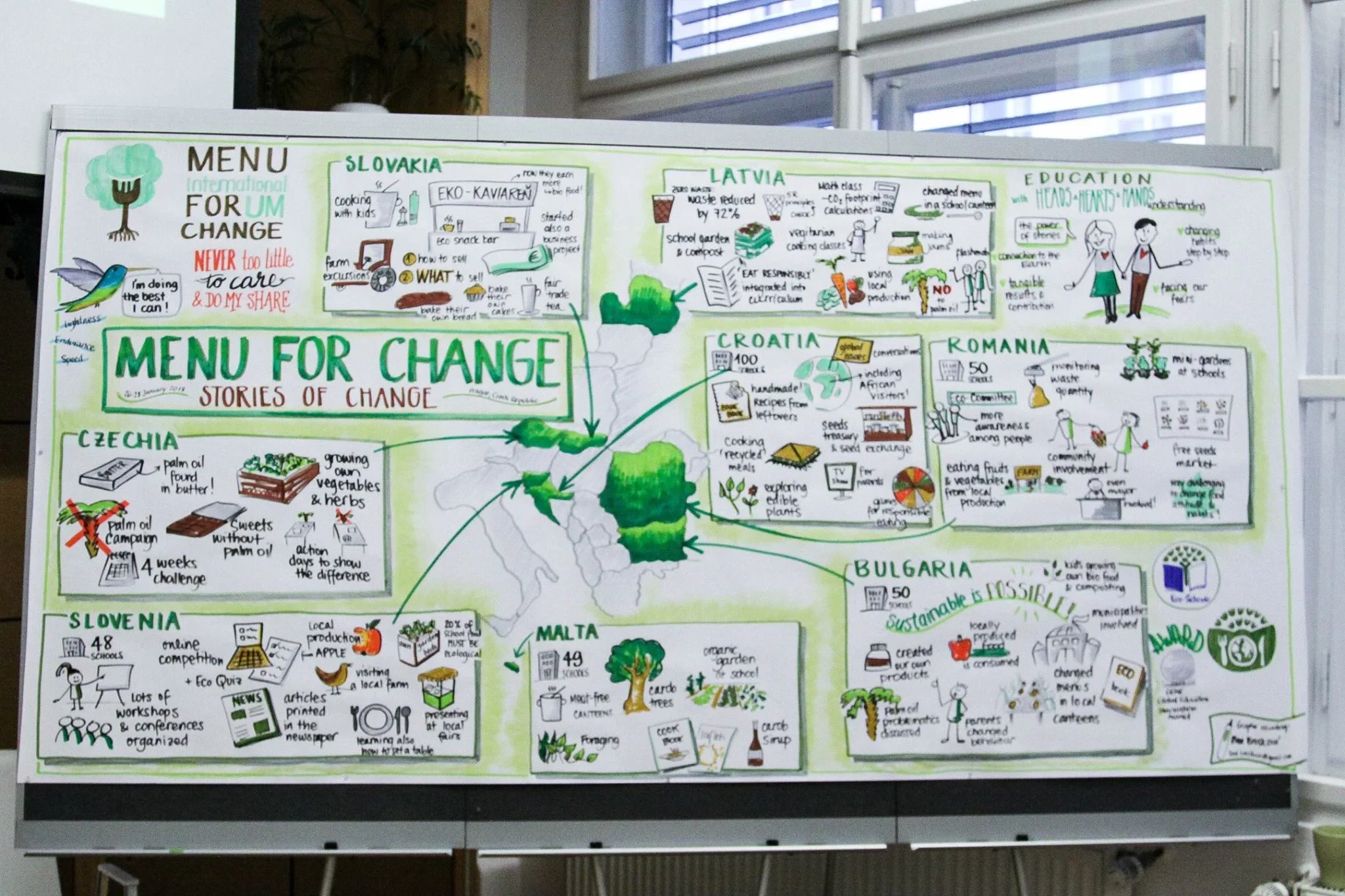
We Eat Responsibly was a pan-European Eco-Schools project launched in February 2015, supporting schools in nine EU countries to explore responsible food consumption and sustainable food systems. It helped students, teachers, and local communities understand how everyday food choices connect to climate change, biodiversity, natural resources, livelihoods, and global inequalities, while encouraging practical action at school and community level.
The project ran until January 2018 and ultimately involved 513 Eco-Schools, 539,000 students, and more than 3,000 trained teachers. Its success also contributed to Food becoming an official Eco-Schools theme.
Started: 2015
Ended: 2018
Countries: Bulgaria, Croatia, Czech Republic, Latvia, Malta, Poland, Romania, Slovakia, and Slovenia.