Climate Action at School and Beyond!
Turtle Creek Elementary STEAM Academy, USA
When their school district passed a resolution to initiate climate action in schools, students and teachers at Turtle Creek Elementary STEAM Academy in Pennsylvania, U.S. jumped into action!
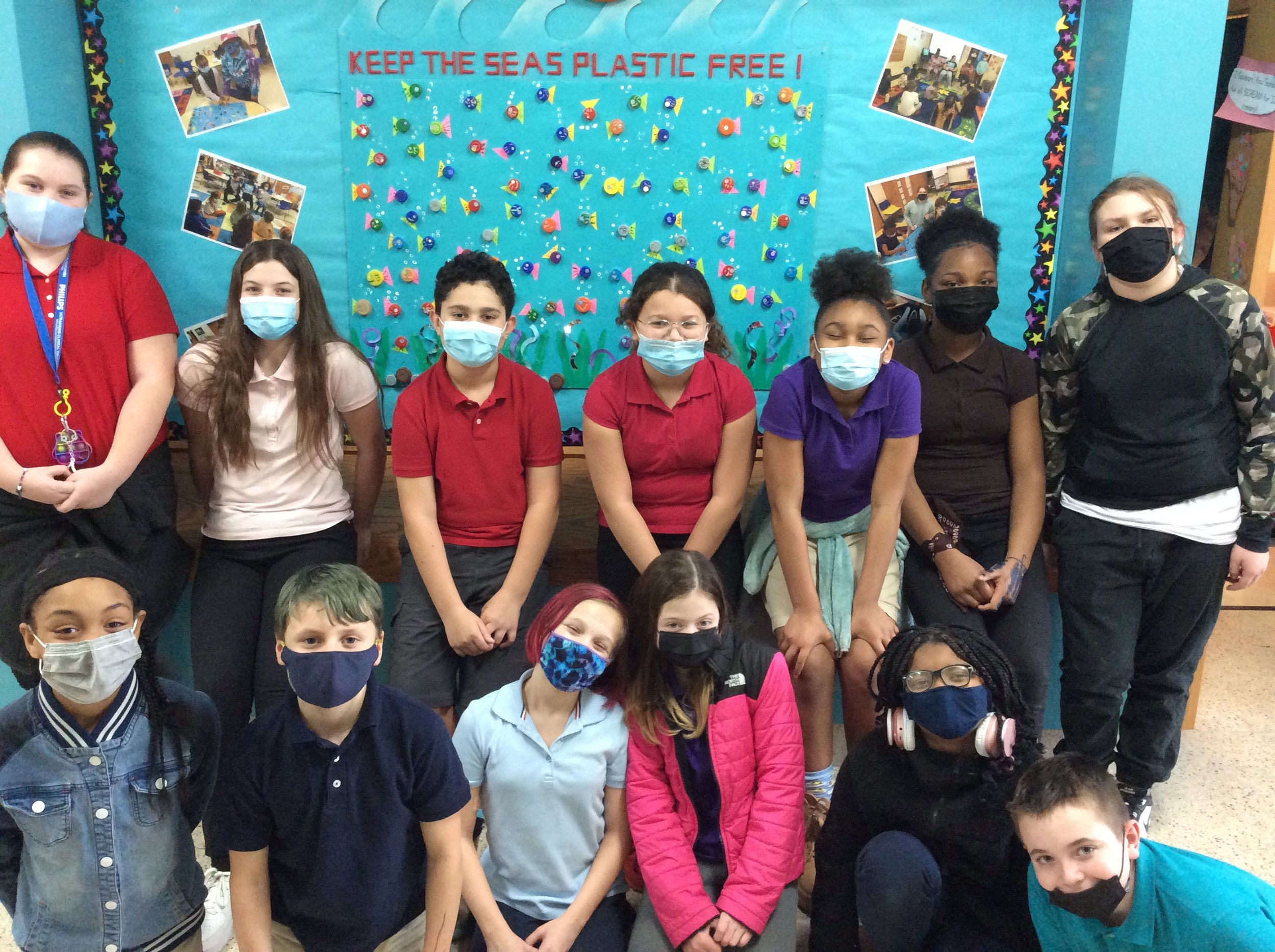
Students from 5th grade formed the Green Team and developed and planned climate action activities for the entire school! The goal of this Alcoa W5 project was to provide opportunities for the entire school to engage in climate action projects focused on green infrastructure, zero waste, and clean energy that would enhance not only the school, but the community as well. They also wanted to reduce the amount of waste (especially paper and plastic) created at the school and in the Turtle Creek Community, provide recycling opportunities, encourage reduction of carbon emissions, and install green infrastructure at the school.
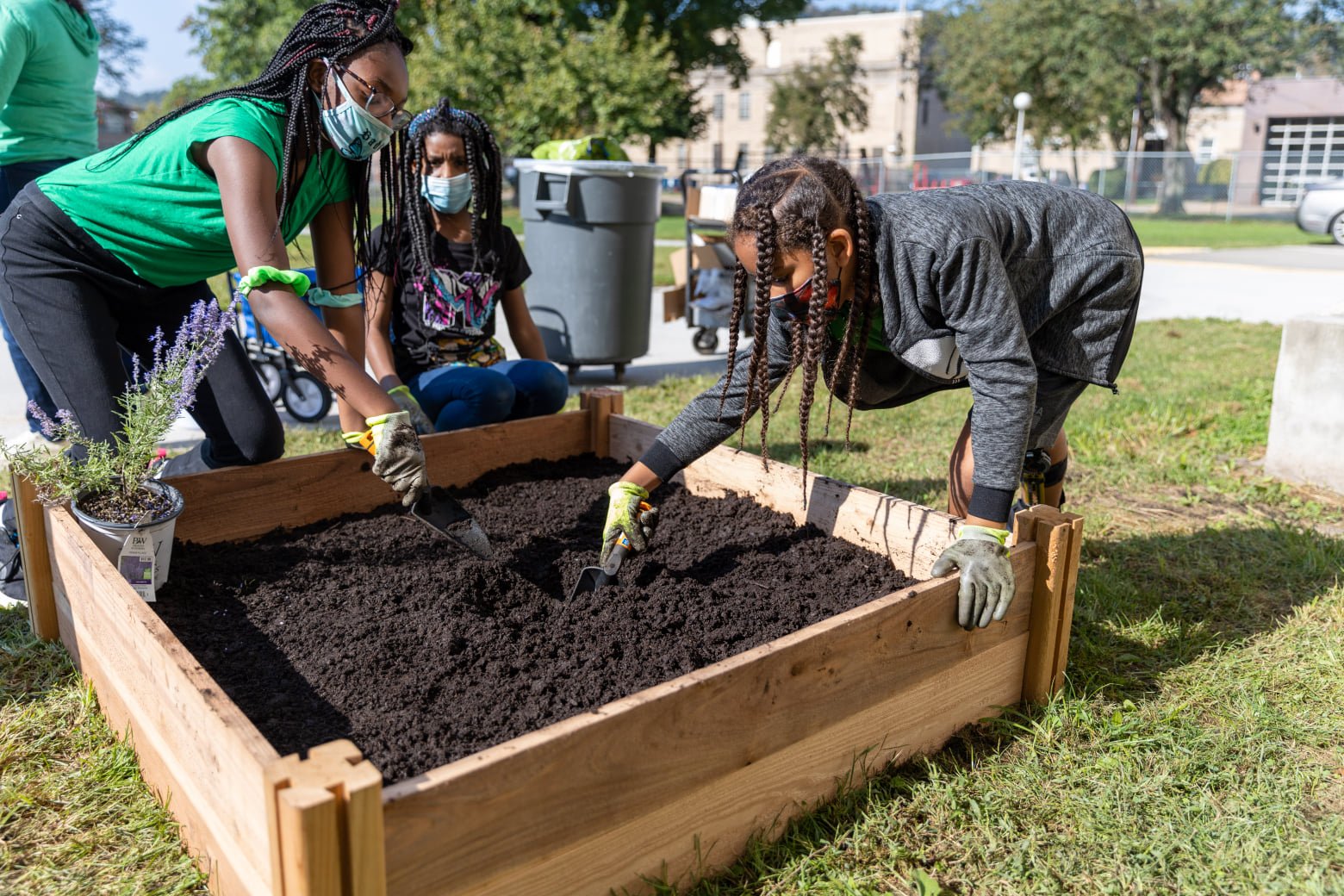
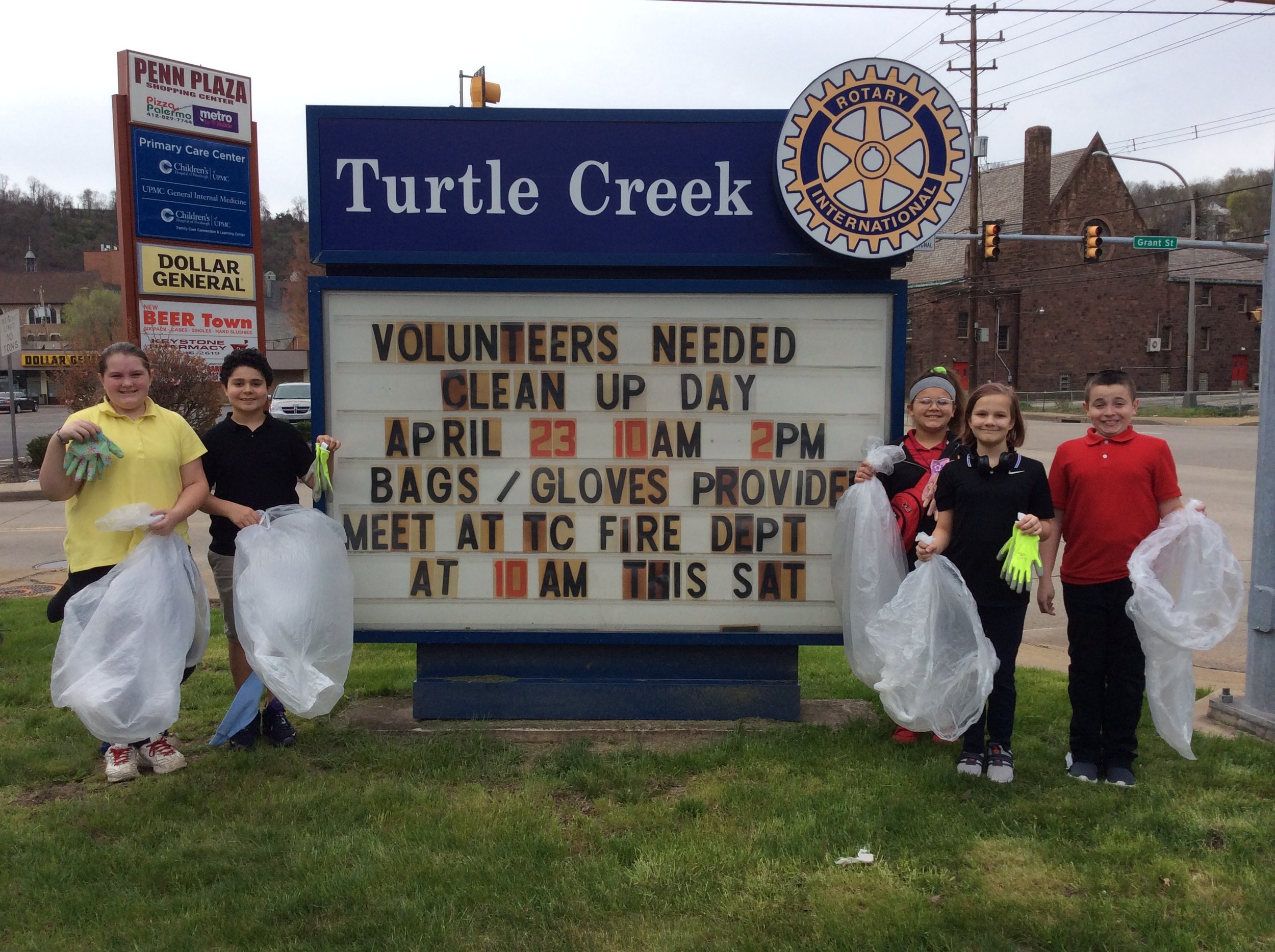
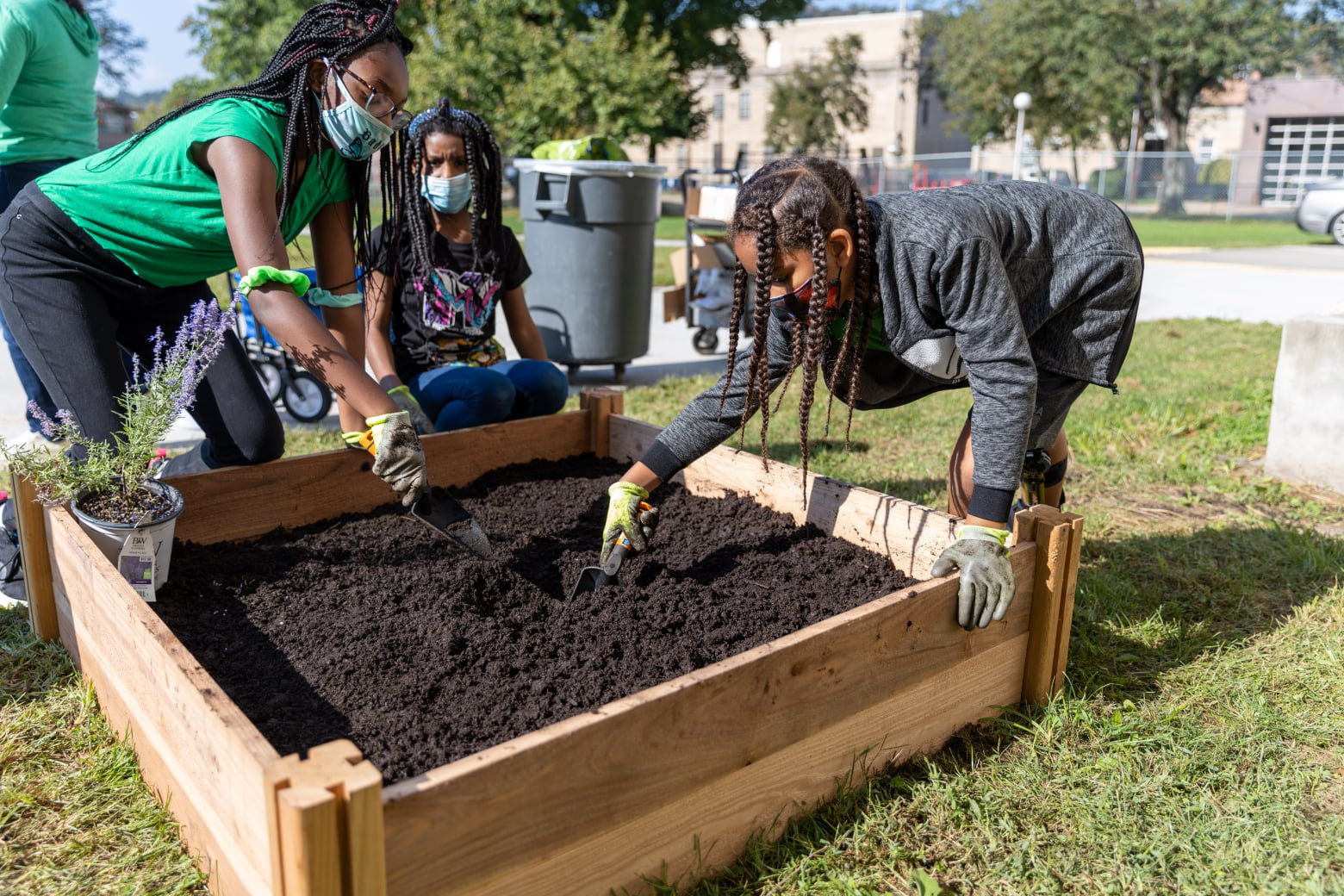
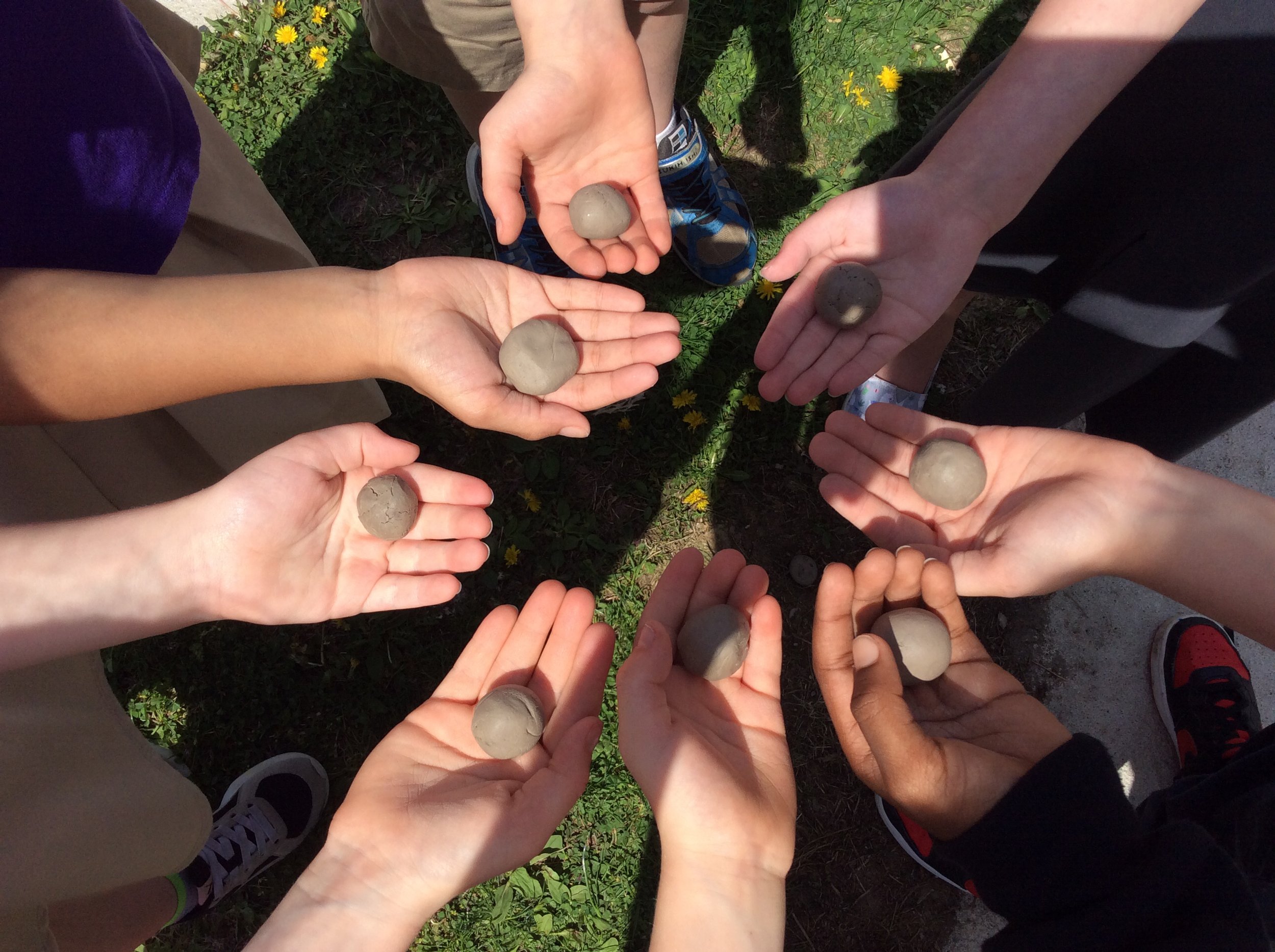
So that’s just what the Green Team did! They set up a recycling programme in all the classrooms, planned and implemented a community clean-up day in the borough of Turtle Creek, and even designed lessons and action projects for younger students to teach them about climate change issues including ocean plastic pollution, the importance of bees, alternative energy sources, recycling and zero waste practices, and water conservation. As part of the project, five new trees were planted on the Turtle Creek Campus, five garden beds were created as part of the learning garden, and two rain barrels were installed. 527 students made seed balls with pollinator friendly seeds and beeswax wraps to reduce waste, while 35 classrooms participated in the school-wide recycling programme.
The actions weren’t just limited to the students and teachers at the Turtle Creek Elementary STEAM Academy however! Parents and school board members helped plant trees and install the garden beds, while community members, including the Turtle Creek mayor and council members joined in for the Turtle Creek clean-up day. Turtle Creek Elementary STEAM Academy also worked with partners from several local climate action organisations including Communitopia, Tree Pittsburgh, Chatham University, Phipps Conservatory and Botanical Garden, Rivers of Steel (Environmental Science on the Three Rivers), Planted Bee, National Geographic, Ohio River Valley Water Sanitation Commission, Pennsylvania Resources Council. These collaborations helped create an even more impactful and enriching experience for all those involved. As Katie Modic, the Executive Director of Communitopia expressed,
“Turtle Creek students bring authentic, genuine energy and talent to the movement for climate change solutions. Their efforts set precedent, demonstrate potential, inspire, and literally impact positive change. It's an honor to bear witness to youth developing mindsets and skill sets that change systems for the better. My respect for you and your students is real and everlasting!”
Through their Alcoa W5 project, students learned about multiple strategies to reduce their contributions to climate change at home and at school. By the end of the year, a survey showed that 100% of students responded that they take actions to help reduce climate change.
The Alcoa W5 project of Turtle Creek Elementary STEAM Academy support the following SDGs:
Appreciating Tiny Seeds
Espira Husebyparken Preschool, Norway
As part of their Alcoa W5 project, teachers at Espira Husebyparken Preschool in Norway wanted to increase the children’s knowledge of ecosystems at both foundational and practical level, including their understanding of where food comes from and how to plant different vegetables, berries, and flowers.
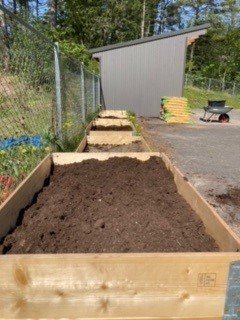
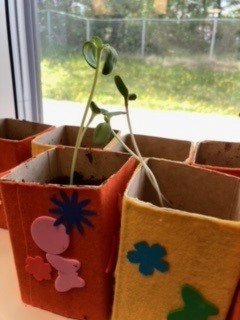
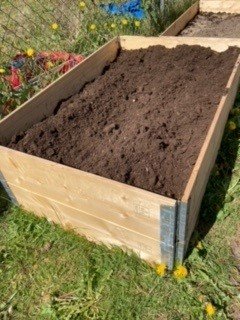
During the winter months, the preschool planned their kitchen garden and bought everything they needed for the raised beds and planting. They chose to plant species that can be harvested at different times, including potatoes, carrots, tomatoes, peas, wild strawberries, and sunflowers. The community got involved too! Their local garden center offered advice on how to plant potatoes in raised beds and parents received regular updates on the project.
By spring, the children were ready to go outside and start planting! The teachers observed that the children started to understand the connection between the seed, the planting process, and the food. The children seemed fascinated experiencing how a seed grows, becomes a plant, and can produce food!
“Through this project, we would like to give the children a greater understanding of how things are connected in nature, to help them understand where food comes from, and that a seed can become something edible. We now observe that the children identify seeds in the fruit they eat and are more aware of these processes. We also want to teach the children about sustainable consumption and in the long run, we plan to involve the children in activities where they can experience the value of re-using materials.” – Principal, Lene Margrethe Skeibrok
The preschool has come a long way from when they first introduced the Eco-Schools’ Seven Steps. Since last autumn, they have been working towards a Green Flag and have come far in the process! Their goal has been to involve the whole school in both the planning process and activities, and all the children have actively participated in the environmental review and all the activities.
The Alcoa W5 project activities at Espira Husebyparken preschool support the following SDGs:

Planting Without Borders
Sentrum Preschool, Norway
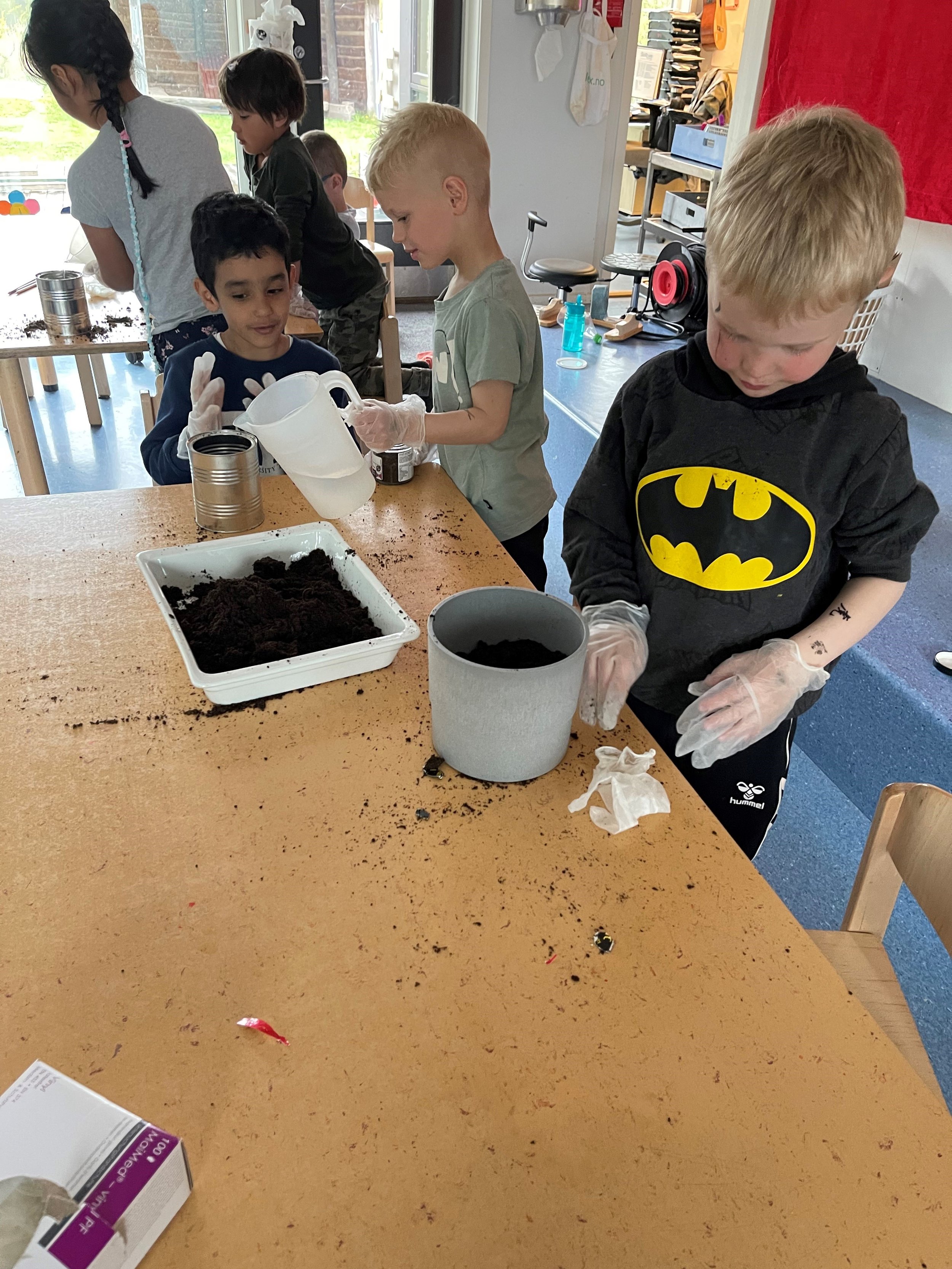
When the Sentrum Preschool in Kvinesdal, Norway wanted to expand their kitchen garden, they saw it as an opportunity to not only help their students connect with their environment, but also to connect with other children. So, they decided to team up with the Union Elementary and Pre-School, another Eco-School six time zones ahead in Penang, Malaysia!
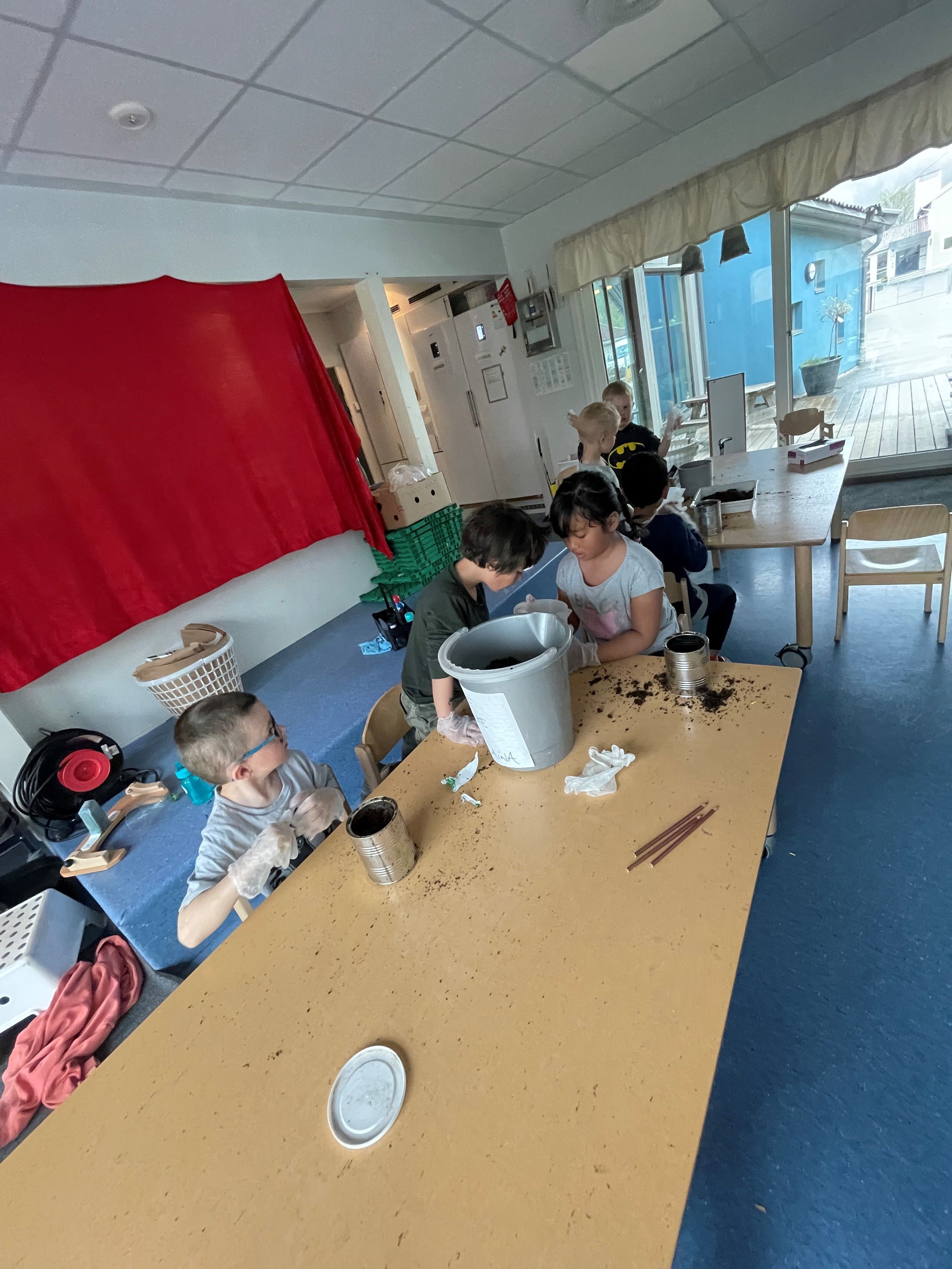
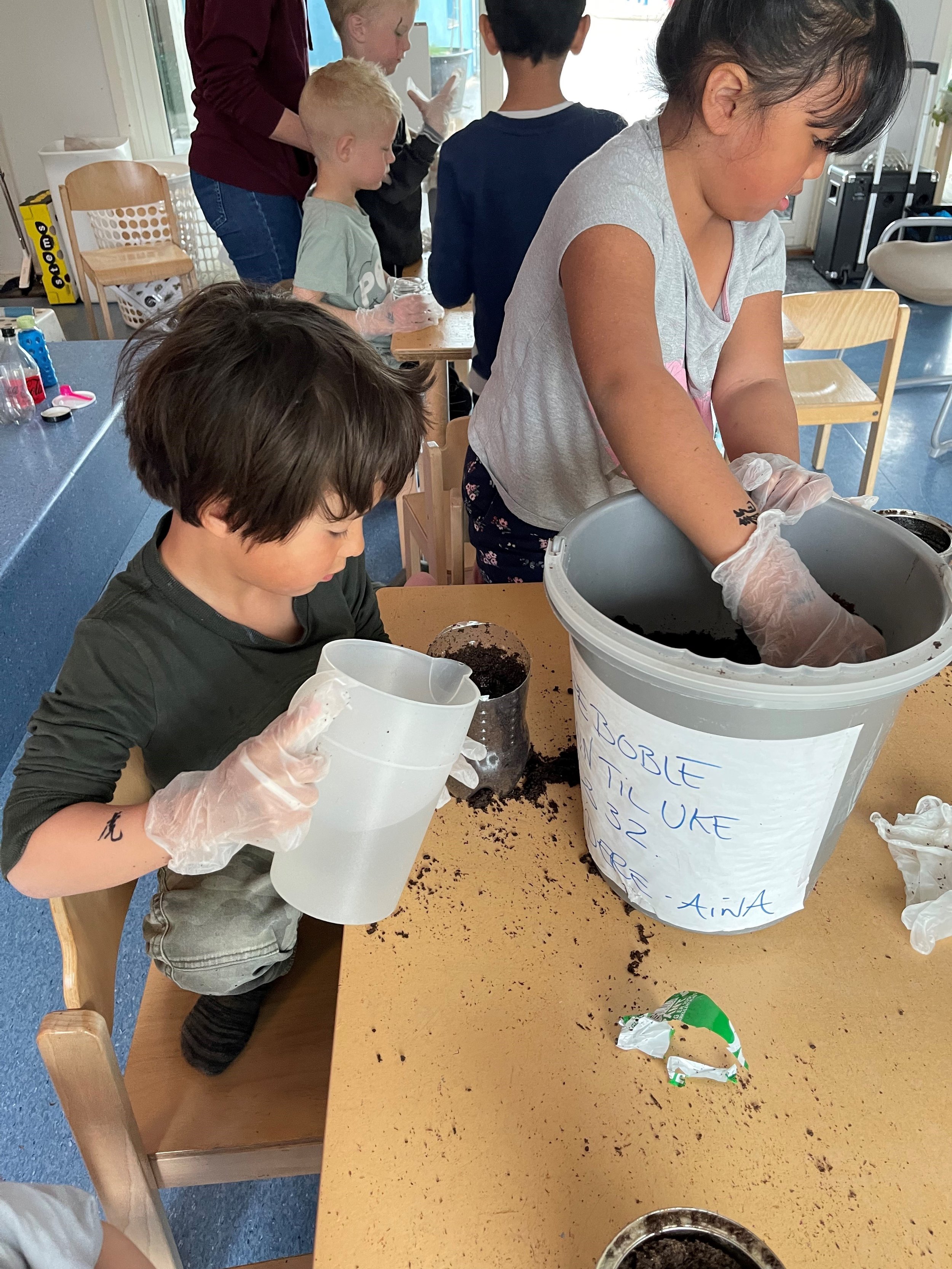
Through their Alcoa W5 project ‘Plant Without Borders’, both schools wanted to engage their students in their environment through planting vegetables and caring for a garden of their own. The project was also an opportunity to teach students about climate change and protecting biodiversity across two very different climates and countries.
10 teachers and 25 students are actively collaborating through digital tools and sharing platforms, where students share photos about the progress of their ongoing kitchen garden project. Students will meet virtually again twice before their garden tour and harvesting celebration in September.
And while a 6-hour time difference and very different climates may seem like a challenge, it's proven to be a wonderful opportunity for students to learn about how different seasons in different parts of the world impact the planting, growth and harvesting of vegetables.
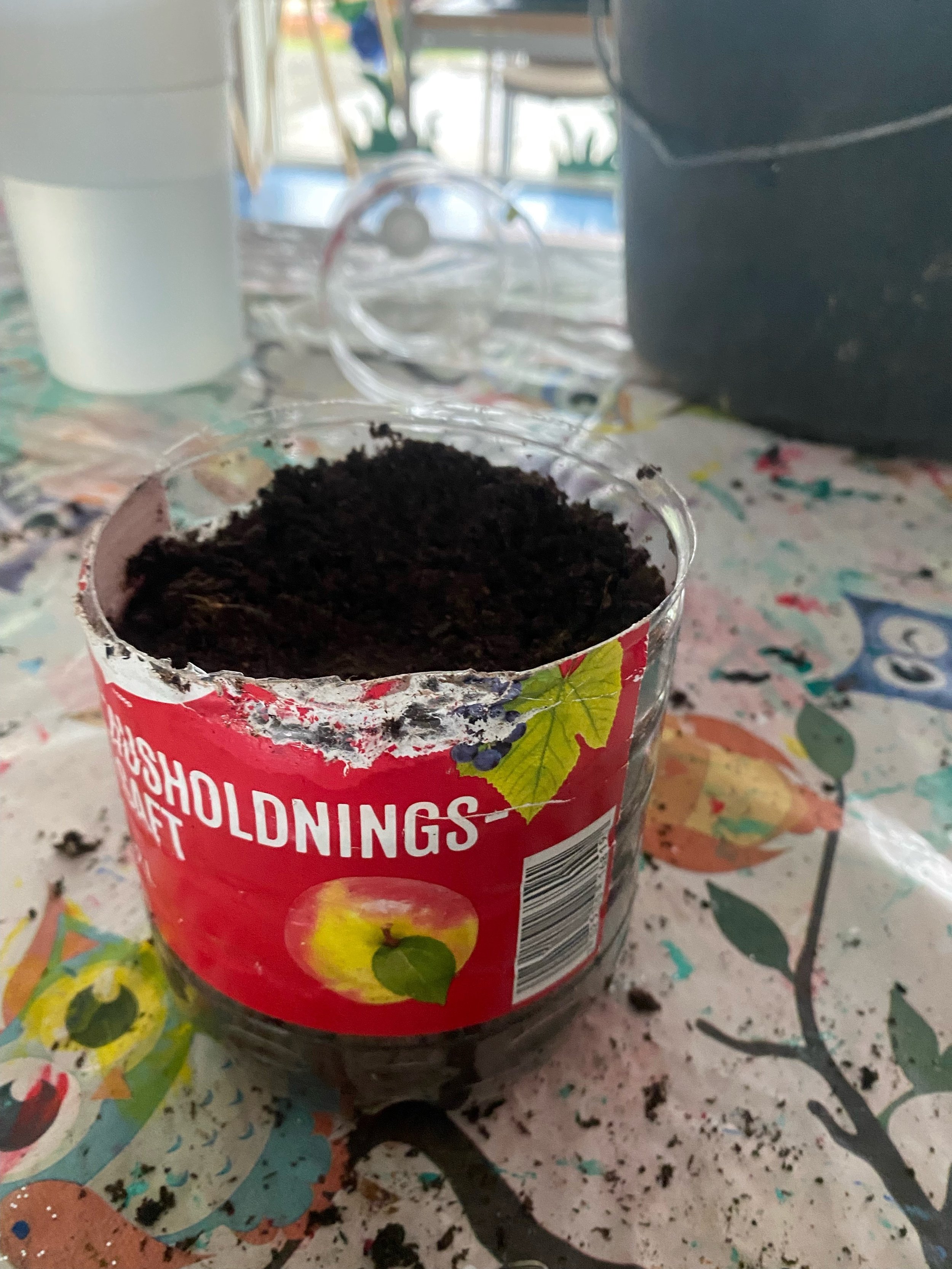
By creating pots out of recycled materials, planting both vegetables and native pollinator-friendly plants, and learning about climate change in group meetings, the project engages students in SDGs 4 (Quality Education), 12 (Responsible Consumption & Production), 13 (Climate Action), and 14 (Life on Land). Lastly, the experiences of both teachers and students in this project have been enriched through their collaboration. As Jan Rune Strømland, the Principal at Sentrum Preschool expressed,
“We are thankful for this opportunity to collaborate across country borders on a topic of high importance. The children will inherit the Earth, and it is our duty that they feel that they belong to nature and want to care for it. Through exchanging knowledge and experiences, we can help each other learn more about protecting biodiversity and sustainable development, and the children will hopefully grow an interest in plants and nature that can follow them throughout their lives.”

The Alcoa W5 project activities at Sentrum Preschool support the following SDGs: